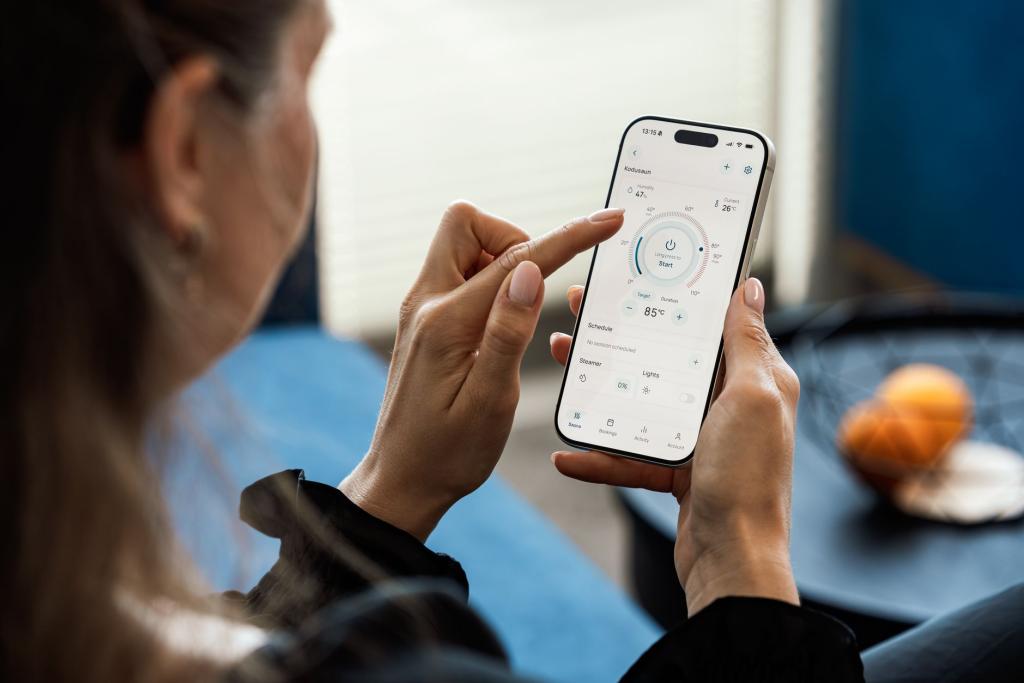
Post-Surgery App Check-Ins could be the simplest upgrade in modern recovery. A new analysis of thirty-eight studies covering 7,507 patients found that people who logged symptoms through a phone app after an operation faced a 22% lower risk of major complications than those who received standard follow-up care, according to a summary of the findings published by MedicalXpress.
The programs in the analysis were not futuristic. Most simply asked patients to complete a daily check-in on a smartphone or web portal, reporting pain levels, fever, nausea and the appearance of their wound. A smaller share layered in wearable fitness trackers or Bluetooth-enabled gadgets such as blood pressure cuffs, thermometers and pulse oximeters that measure blood oxygen.
Beyond the headline complication figure, emergency room visits fell by a similar margin, and readmissions dropped fifteen percent. Patients in the monitored groups also reported less pain and anxiety, better physical function, improved quality of life and greater satisfaction with their care.
What the researchers actually measured
The work was presented at the Anesthesiology 2026 annual meeting, and its strength comes from pooling results across many hospitals instead of relying on one clinic's experiment. That breadth matters because recovery apps vary wildly: some are little more than digital diaries, while others stream readings straight to a care team in near real time. Across that variety, the pattern held — app-based monitoring was associated with fewer of the serious problems that send recovering patients back through the hospital doors.
The result also stands out because the days after discharge are famously the riskiest stretch of recovery. Once a patient leaves the hospital, supervision drops to almost nothing, and small warning signs — a low fever, a wound that looks slightly angrier than yesterday — are easy to shrug off. A daily prompt to record those details creates a record that neither the patient nor the care team has to reconstruct from memory at a follow-up visit weeks later.
The catch: the app only helps if a human reads it
Here is the twist the researchers want every patient to hear. Readmissions only fell in programs where a surgical team member or nurse actually reviewed what patients submitted and could act on it. Programs that collected the same information with no clinician review showed no reduction at all. The gadget, in other words, is not the intervention — the staffed response is.
"Just using an app may not make recovery safer," said Mouad Elganga, the study's lead author and a medical student at the University of Toronto. "The biggest benefit occurs when a clinician is actually reviewing what patients send and can act on it. Patients should ask: who is looking at this information, how quickly will they respond, and what happens if something looks wrong?"
That distinction reframes the whole category. Hospitals weighing these programs should focus as much on who watches the dashboard and how fast they escalate as on which app they buy. For health systems, the message is blunt: buying software without staffing the response is spending money on a mailbox nobody opens.
What the apps cannot do
The findings come with honest limits, and the authors did not oversell them. The total number of complications did not significantly decline, which suggests the monitoring does not prevent every postoperative problem — it helps catch concerning symptoms before they escalate into emergencies, reoperations or readmissions. An app is an early-warning system, not a substitute for urgent care, and anyone with a red-flag symptom still needs to call for help rather than wait for a dashboard to notice.
There is also an access question the study cannot fully answer. App-based programs assume a smartphone, reliable connectivity and enough digital confidence to log symptoms daily. Patients without those advantages may be left out of exactly the kind of safety net the research praises, which is worth remembering as hospitals decide how to roll these tools out.
What to ask before your next operation
If your surgeon offers a recovery app, treat the signup like an interview. Ask who reviews your check-ins, how quickly they respond, and what the escalation plan is when something looks off. Those three questions separate the programs that moved the needle in the research from the ones that did not.
Then use the app consistently. The benefit showed up for patients who kept up the daily reporting, because sporadic entries give a care team almost nothing to act on. Post-Surgery App Check-Ins work best when they become a small daily habit — two minutes of honest symptom logging that lets a nurse spot trouble while it is still small.
Recovery does not end at discharge, and the habits around it matter as much as any gadget. Gentle movement and good nutrition support healing — researchers recently linked one extra piece of fruit a day to better teen mental health, a reminder that small dietary steps add up. Sleep does heavy lifting too: your brain does real work while you sleep, consolidating repair and learning overnight. And the value of tracking health signals early runs through all of medicine — scientists recently found that early-onset Alzheimer's shows distinct early warning signs years before a diagnosis.
Comments 0
No comments yet. Be the first to share your thoughts!
Leave a comment
Share your thoughts. Your email will not be published.