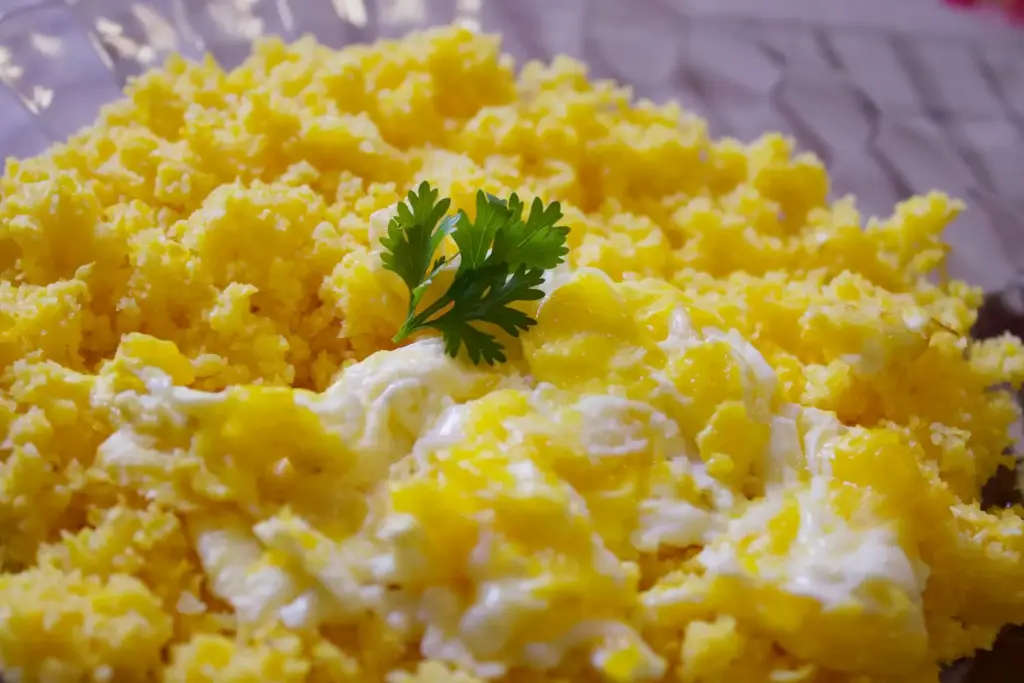
Farofa is the quintessential Brazilian side dish that you will find on virtually every table throughout Brazil, from humble family dinners to the most elaborate feasts. This simple yet transformative farofa recipe takes toasted cassava flour and elevates it into a flavorful, versatile accompaniment that adds both texture and character to any meal. Whether you are serving it alongside feijoada, grilled meats, or fried eggs, this farofa recipe is an essential addition to your Brazilian cooking repertoire. The beauty of farofa recipe lies in its versatility—it can be simple and plain or loaded with delicious additions depending on your preferences and the occasion.
The origins of farofa can be traced back to indigenous Brazilian communities who cultivated and consumed cassava (manioc) as a dietary staple for thousands of years. According to food historians at Britannica, cassava was one of the most important crops in pre-Columbian South America, and the process of transforming cassava root into flour was developed by indigenous peoples. The Portuguese colonists adopted and spread this technique throughout Brazil, and farofa became an integral part of Brazilian cuisine that continues to be enjoyed today. This farofa recipe connects modern cooks to centuries of culinary tradition.
In Brazilian culture, farofa is much more than just a side dish—it is considered an essential component of many traditional meals. The dish is particularly associated with celebrations and family gatherings, where it is often served in generous quantities. No feijoada completa (complete feijoada meal) is complete without a generous bowl of farofa on the table. This beloved farofa recipe has also spread to other countries in South America and can now be found in restaurants and homes around the world.
Understanding Farofa
At its most basic, farofa recipe is simply cassava flour that has been toasted in butter or oil until it becomes golden and fragrant. However, this simple farofa recipe can be infinitely customized with the addition of ingredients like bacon, eggs, onions, olives, or dried fruits. The key to a great farofa recipe is toasting the flour just right—it should be warm, slightly crispy, and fragrant without being burnt. The buttery richness of this farofa recipe makes it the perfect accompaniment to balance rich, hearty dishes, adding a satisfying textural element that complements soft and tender foods perfectly.
Quick Facts
- Prep Time: 5 minutes
- Cook Time: 10 minutes
- Total Time: 15 minutes
- Servings: 8 servings
Ingredients
- 3 cups (360g) cassava flour (farinha de mandioca)
- 4 tablespoons butter
- 1/2 cup diced bacon (optional)
- 1/2 cup diced onion
- 2 hard-boiled eggs, chopped (optional)
- Salt and pepper to taste
- Fresh parsley for garnish
Step-by-Step Instructions
Step 1: Prepare the Base
If using bacon, cook the diced bacon in a large skillet over medium heat until crispy and golden. Remove the bacon with a slotted spoon and set aside, leaving the rendered bacon fat in the skillet. This bacon fat will flavor your farofa recipe beautifully and create a delicious base for toasting the flour.
Step 2: Toast the Onions
In the same skillet with the bacon fat, add the diced onion and cook until softened and translucent, about 5 minutes. The onions should be tender but not browned. This creates the flavor foundation for your farofa recipe, adding sweet and savory notes that complement the cassava flour.
Step 3: Add the Butter
Add the butter to the skillet and let it melt completely. The butter adds richness and helps the cassava flour toast evenly in this farofa recipe. Make sure the butter is well distributed before adding the flour for even toasting.
Step 4: Toast the Cassava Flour
Reduce the heat to low and add the cassava flour directly to the skillet. Stir continuously and constantly for 5-7 minutes until the flour is lightly toasted and has absorbed all the butter. The farofa should be warm and fragrant. Be careful not to burn it—keep stirring this farofa recipe continuously to ensure even toasting and prevent any hot spots from burning the flour.
Step 5: Add Mix-ins and Serve
Once the cassava flour is toasted, add the cooked bacon back into the farofa recipe along with the chopped hard-boiled eggs if using. Season with salt and pepper to taste. Garnish with fresh parsley and serve immediately while warm. This farofa recipe is best enjoyed right after making it while the flour is still crispy and the buttery flavors are at their peak.
Chef Tips for Success
Tip 1: Choose the Right Flour
For an authentic farofa recipe, use Brazilian cassava flour (farinha de mandioca), which can be found in Latin American grocery stores or online. Do not substitute with other types of flour—the unique texture and flavor of cassava is essential to this farofa recipe. The coarse texture of proper cassava flour creates that characteristic slightly crunchy consistency.
Tip 2: Keep the Heat Low
Toasting cassava flour requires patience and low heat. If the heat is too high, the flour will burn quickly and become bitter. Keep the heat low and stir continuously for the best farofa recipe results. Taking your time with this step ensures a perfectly toasted farofa with a lovely golden color and nutty aroma.
Tip 3: Customize Your Farofa
While the basic farofa recipe is delicious on its own, feel free to add your favorite ingredients. Some popular additions include sliced olives, raisins, fried bananas, or shredded coconut. Get creative with your farofa recipe! You can also add grated cheese, fresh herbs, or even coconut milk for different flavor profiles.
Comments 0
No comments yet. Be the first to share your thoughts!
Leave a comment
Share your thoughts. Your email will not be published.