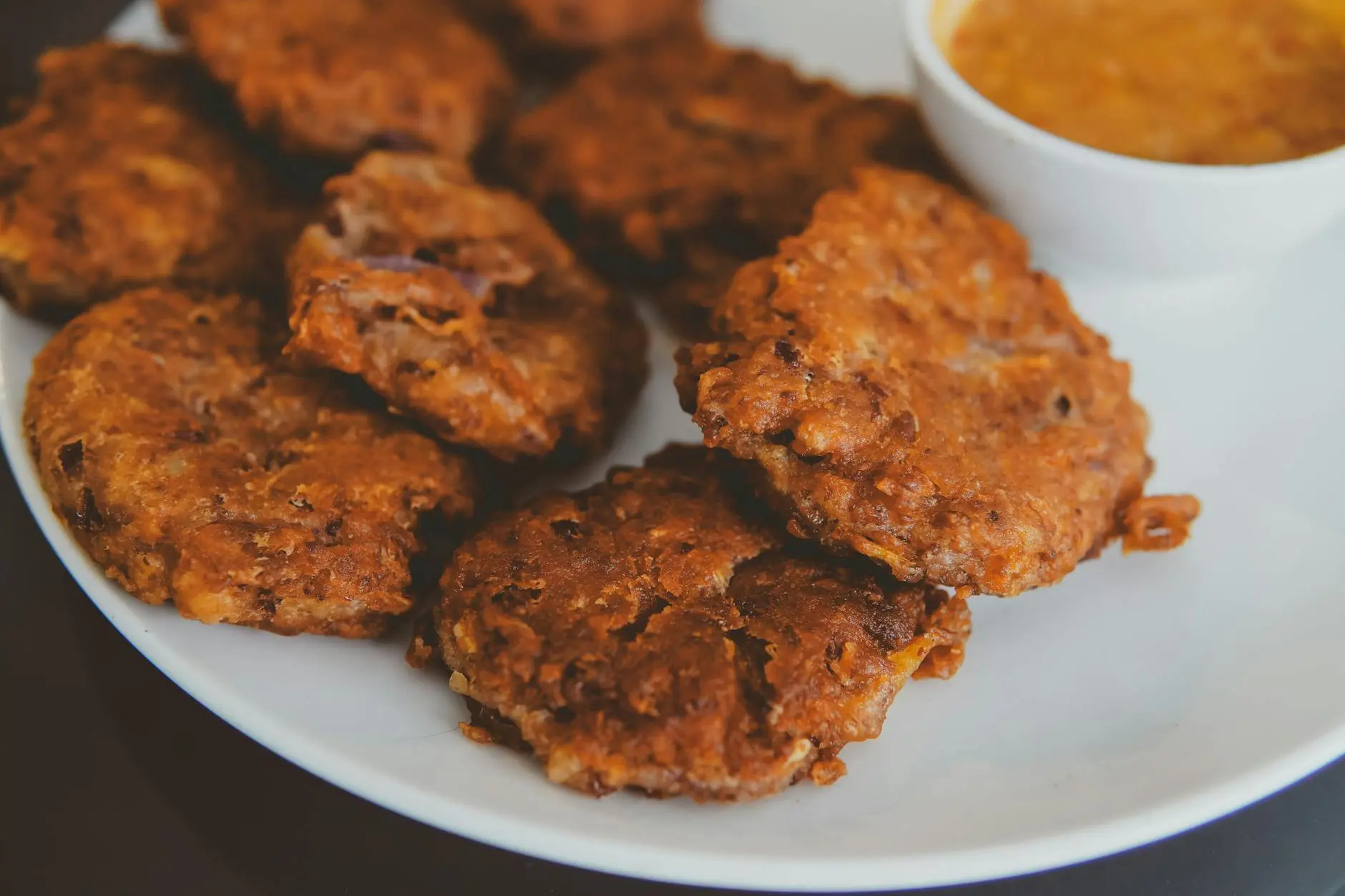
Acaraje is one of the most iconic and culturally significant foods in Brazil, particularly in the state of Bahia where it holds a special place in Afro-Brazilian culinary traditions. These delicious black-eyed pea fritters are far more than just a snack—they are deeply connected to religious ceremonies, cultural identity, and the preservation of African heritage in Brazilian cuisine. This authentic acaraje recipe brings the vibrant flavors and traditions of Bahia directly to your kitchen, allowing you to experience one of Brazil most treasured culinary creations.
The origins of acaraje can be traced directly to West Africa, specifically to the Yoruba people of Nigeria and Benin, where similar black-eyed pea fritters called akara have been prepared for centuries. According to cultural historians at Britannica, the dish arrived in Brazil through the transatlantic slave trade and became deeply embedded in Bahian culture. In Bahia, acaraje is prepared by specialized street vendors known as baianas, who wear traditional white clothing and carry their signature brown clay pots on their heads. In 2004, acaraje was officially recognized as part of Brazil intangible cultural heritage.
Understanding Acaraje
This acaraje recipe produces fritters that are crispy on the outside while remaining soft and fluffy on the inside. The key to success lies in properly preparing the black-eyed peas—removing the skins is essential for achieving the right texture. The traditional acaraje recipe splits the fritter and fills it with a rich combination of vatapa (a creamy coconut and peanut sauce) and dried shrimp, creating a complex layering of flavors and textures that is uniquely Bahian.
Quick Facts
- Prep Time: 30 minutes
- Cook Time: 20 minutes
- Total Time: 50 minutes
- Servings: 12 fritters
Ingredients
For the Acaraje
- 2 cups (400g) dried black-eyed peas, soaked overnight
- 1 onion, finely chopped
- 2 cloves garlic, minced
- 1 teaspoon salt
- 1/2 teaspoon ground pepper
- Oil for deep frying
For the Filling
- 1/2 cup dried shrimp, rehydrated and chopped
- 1/2 cup vatapa (or substitute with spicy peanut sauce)
- Hot pepper to taste
Step-by-Step Instructions
Step 1: Prepare the Black-Eyed Peas
Drain and rinse the soaked black-eyed peas. To remove the skins, rub the peas between your palms in a bowl of water. The skins will float to the surface and can be easily removed. This step is crucial for achieving the smooth texture required for authentic acaraje recipe. Repeat until most skins are removed.
Step 2: Make the Batter
Transfer the peeled peas to a food processor. Add the onion, garlic, salt, and pepper. Process until you have a smooth, thick batter. The consistency should be similar to mashed potatoes. Be careful not to over-process—you want a smooth texture but not a watery batter for your acaraje recipe.
Step 3: Shape and Fry
Heat oil in a deep pot to 350°F (175°C). Using your hands or a spoon, carefullydrop rounded portions of the batter into the hot oil. Fry for about 4-5 minutes until golden brown and crispy on the outside. The acaraje should float and develop a crispy crust while remaining soft inside. Remove and drain on paper towels.
Step 4: Prepare the Filling
While the acaraje are draining, prepare the filling. Chop the rehydrated dried shrimp finely. Mix with vatapa and a pinch of hot pepper. This traditional filling is what makes the acaraje recipe complete.
Step 5: Assemble and Serve
Once the acaraje are cool enough to handle, carefully slice each one open horizontally. Fill with the vatapa and shrimp mixture. Serve immediately while warm. This acaraje recipe is best enjoyed fresh.
Chef Tips for Success
Tip 1: Patience with Peeling
The peeling process for black-eyed peas takes time but is essential for your acaraje recipe. Well-peeled peas create a smoother batter and better texture. Take your time during this step for the best results.
Tip 2: Oil Temperature
Maintaining the correct oil temperature is vital for this acaraje recipe. Too hot and the exterior will burn before the interior cooks through; too cool and the acaraje will be greasy. Keep the oil at a steady 350°F (175°C).
Tip 3: Find Authentic Ingredients
For the most authentic acaraje experience, try to find dried shrimp and vatapa paste at specialty stores or online. These ingredients are essential for achieving the true flavors of this traditional acaraje recipe.
Comments 0
No comments yet. Be the first to share your thoughts!
Leave a comment
Share your thoughts. Your email will not be published.