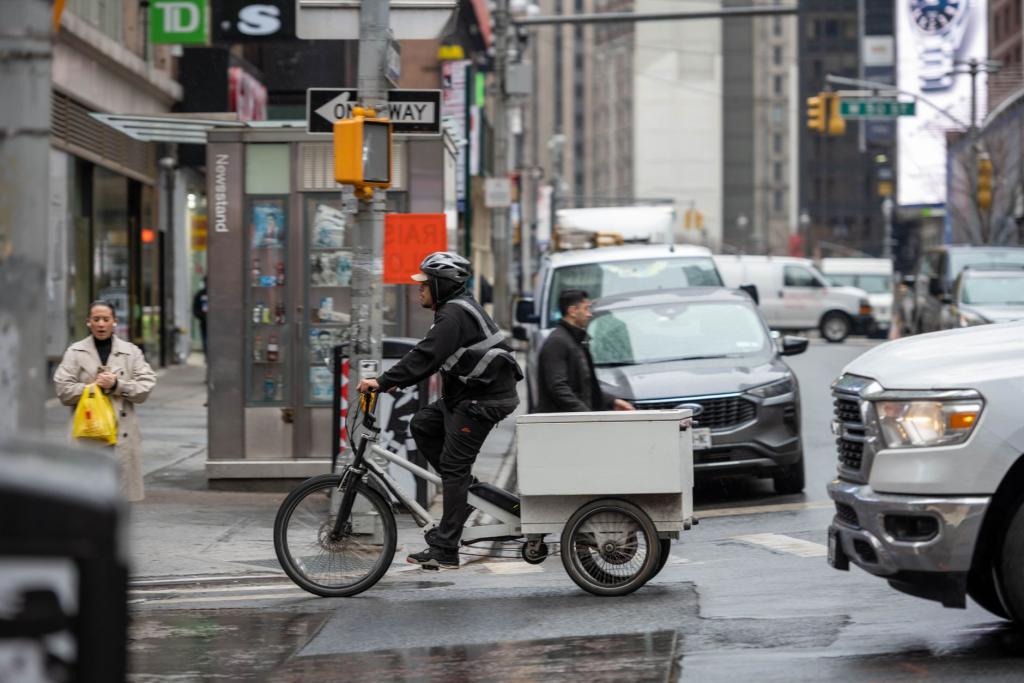
If you dash for DoorDash in New York City, check your inbox in late October. You might be owed money. The company agreed to pay one hundred thirty-one point five million dollars to settle claims that it systematically underpaid delivery workers, in what New York Mayor Zohran Mamdani called the largest settlement for food delivery workers ever secured in American municipal history, according to Fox News. It is the kind of headline gig workers have been waiting years to read.
The DoorDash settlement breaks down into two parts. More than one hundred fifteen million dollars goes directly back to workers, with some eligible for as much as five thousand dollars, while the rest covers fines and the development of software that lets delivery workers record the DoorDash app and share payment data with the city, Fox News reported. That tool matters because for years drivers have argued they have no way to prove the app shorted them, and now the city is building the receipt printer.
How the city built its case
The investigation came from New York's Department of Consumer and Worker Protection, which analyzed more than one hundred fifty million DoorDash payments and concluded the company had underpaid more than two hundred sixty thousand delivery workers over a four-year stretch, according to Fast Company. The department started the probe years before Mamdani took office, after receiving complaints from dozens of drivers. Fast Company reported that workers who were not paid at all, or paid late, will receive compensation of roughly double what they were underpaid.
Mamdani announced the settlement at a Tuesday news conference and framed it as the end of years of unchecked corporate behavior. "This was not a rounding error or an accidental mistake," the mayor said, according to Fast Company. "Today, after years of corporate greed and impunity, we are holding DoorDash to account."
The greedy algorithm sound bite
The press conference produced a quote that traveled fast. Mamdani turned a podcast remark by DoorDash CEO Tony Xu into the centerpiece of his case. Fox News reported that Xu had told business owners on a July podcast that a CEO has to take the greedy algorithm and keep going all the way to see if there is more, a line Mamdani quoted back at the company at City Hall. "In computer science, a greedy algorithm is one that makes the most optimized, best short term outcome choice at every step and never weighs the consequences," Mamdani said, according to Fox News. "New York City and the tens of thousands of delivery workers who call our city home have reckoned with greed as a business model for far too long."
The Wall Street Journal reported that the phrasing was deliberate, part of a broader political brand Mamdani is building around corporate accountability at a moment when voters are frustrated by rising costs for groceries, health insurance, and homeownership. The Journal noted that his administration has also backed a bill that would require Amazon to hire delivery workers rather than use subcontractors, and moved to raise safety standards at the company's warehouses. DoorDash is not the last fight on this list.
What DoorDash says happened
DoorDash did not deny the payment problems. In a company statement reported by primetimer, DoorDash acknowledged the impact of even one missed or late payment and said it had addressed the issues behind the errors and made changes to prevent them from happening again. The company described the mistakes as unintentional, took responsibility, and apologized. It admitted that delivery workers across the city had been paid late or less than they should have been over a stretch of years.
Workers will not need to file claims or dig up old pay stubs. Mamdani's office said the city has already identified who is owed money, and each eligible worker will receive an email in late October showing the exact amount they are due, primetimer reported. For anyone who treated dashing as the side hustle that pays the phone bill or the student loan, that email is worth opening. Stories like the ones in our look at a TikTok handbag brand built on fast-food breaks show how many young people stitch together income from apps and odd jobs, and each dollar clawed back from a platform is a dollar the worker already earned.
Why this matters beyond one payout
The settlement lands at a strange moment for app-based work. Delivery driving has become one of the most common side hustles for Gen Z, the shift you pick up when rent is due and the group chat is quiet. But the economics have been lopsided for years: the platform sets the terms, the algorithm sets the pay, and the worker absorbs the gas, the wear, and the waiting. A record settlement does not fix that imbalance, but it puts a price on exploiting it, and that price just became the biggest any American city has ever imposed on a food delivery company.
There is also a practical lesson here for anyone working gigs. Keep your own records. Screenshot your earnings, track your hours, and save the receipts, because the workers who complained to the city years ago are the reason this case exists. The payment data the city analyzed came from the company's systems, but it was driver complaints that started the investigation. And when the next price hike eats into your budget, money owed to you is money you want to know about.
The DoorDash settlement also signals where the political wind is blowing. Mamdani reshared the announcement on his X account the same week, writing that hard work pays and greed will cost you, according to primetimer. Whether that turns into durable law, like the Amazon hiring bill his administration backs, is still an open question. But for now, the message to every app that pays people by the gig is simple: count every hour, or the city will count them for you. If you are weighing where to put extra income from deliveries, the boring investing playbook remains a solid default.
Comments 0
No comments yet. Be the first to share your thoughts!
Leave a comment
Share your thoughts. Your email will not be published.