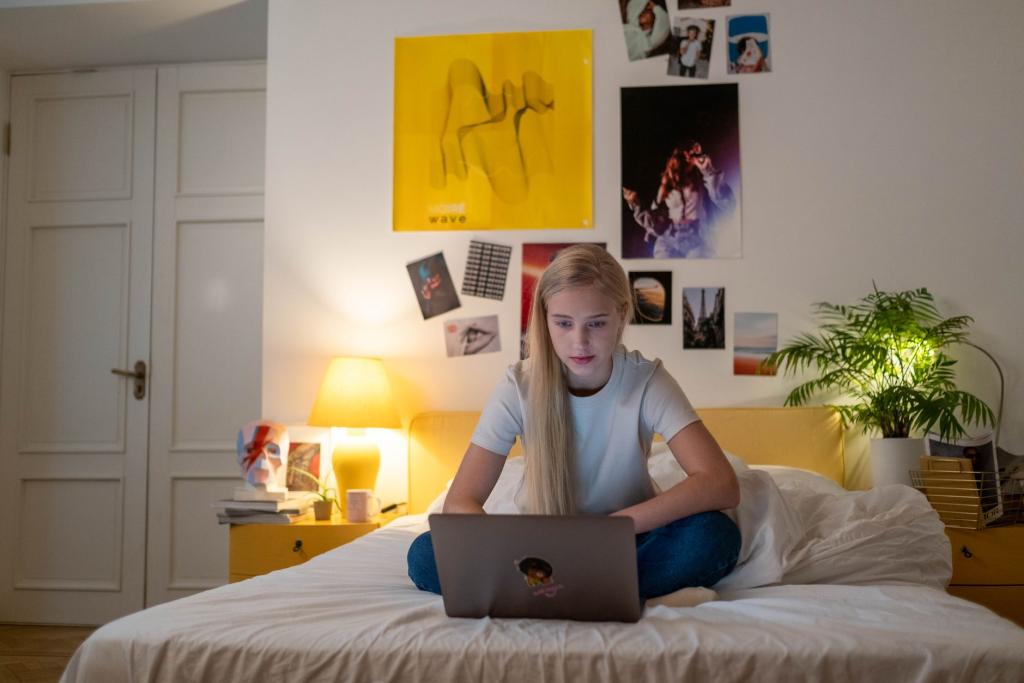
The Saturday job is losing its hold on British teenagers. According to new polling from NatWest Thrive, teen side hustles are taking its place: only 15% of 16- and 17-year-olds currently earn money from a casual role like a paper round, a clothes shop shift or shelf stacking. More than a third of the adults surveyed, 35%, said they had some kind of Saturday shift or early-morning runaround at the same age.
Teen earning has not disappeared. It has moved to different kinds of work than the ones their parents knew. The survey of 1,000 adults and 1,000 16- and 17-year-olds found the average teen topped up pocket money by £389 over the past year through side hustles. Four in five said they want at least two sources of income, and 34% are set on three or more. That matches a wider shift toward side income as a permanent feature of working life (see our earlier report on gig work no longer being a side hustle for most workers).
Social media tops the wish list
When asked how they would like to make money, teenagers pointed firmly at the screen. Creating social media content led the list at 44%, followed by starting another small business at 42%. Dog walking and pet care came in at 38%, level with gaming and streaming. Reselling clothes and other items online appealed to 35%.
Cooking and baking drew 37%, as did photography and video. Selling things they had made reached 36%, while digital or technology-based work matched reselling at 35%. Fashion and beauty closed out the top ten at 33%.
What is actually paying
The reality of teen earning looks far more old-fashioned. More than half, 56%, made money by selling things they no longer wanted. Babysitting came next at 27%, followed by charging for a skill or hobby such as music or art at 22%. Helping in a family business accounted for 20%, and buying things specifically to resell for profit reached 19%.
Only 15% said they had a newspaper round or weekend job. Making and selling crafts, jewellery or other handmade items matched buying and selling collectables at 14% each. Tutoring younger children came in at 10%, and starting or running a small business landed last at 9%.
The gap between the feed and the pay
Teenagers seem aware that the glossy version of side hustles online does not tell the whole story. Nearly half, 41%, said online content makes success look quicker than it probably is. More than a third want entrepreneurs to be more open about how long it took to make a profit (37%), the mistakes they made (36%) and how much money they needed to get started (35%).
The ambitions are still bold. Just over a third, 34%, would choose entrepreneurship over a secure role, and 28% said they want to be start-up millionaires after seeing other young people make money online. Control of their own fate was the biggest motivator, named by 42%.
AI is joining the hustle
Artificial intelligence is already part of how teens build these income streams. The pattern mirrors what researchers found among adult side hustlers, where AI users reported earning nearly double the monthly income (see our earlier report on AI side hustlers and income). More than one in three said they had used the technology to come up with business ideas, while 16% had used it to design a logo or brand and 15% to create social media content. Smaller groups used it to manage money (12%), create a business plan (11%), set prices (10%), and build websites, research competitors, write adverts or create products (9% each).
The pattern is not unique to Britain. A 2026 RBC Small Business Poll found 46% of Gen Z business owners in Canada are balancing a side venture with full-time work, and nearly a third of Gen Z Canadians aspire to start a side hustle, according to Wealth Professional.
A push for money skills
In response to the findings, NatWest is launching Money Talks by NatWest Thrive, a campaign helping 16- and 17-year-olds handle the money decisions that come with building teen side hustles. Content creator and former Gogglebox star Joe Baggs is fronting the campaign, which includes a two-day event.
Baggs said in the campaign announcement that money skills are often the part people learn as they go, and that having that knowledge early can make a real difference. Emily Fuller, Head of NatWest Thrive, said in the same statement that young people are thinking differently about work and earning, and that financial education needs to keep pace so they can make informed decisions on any path they choose.
The Economic Secretary to the Treasury, Lucy Rigby KC MP, welcomed the initiative, saying in a statement that young people sharing their experiences of earning will help more young adults build the practical skills they need and understand what it takes to get something off the ground.
Read more at London24 News.
Comments 0
No comments yet. Be the first to share your thoughts!
Leave a comment
Share your thoughts. Your email will not be published.