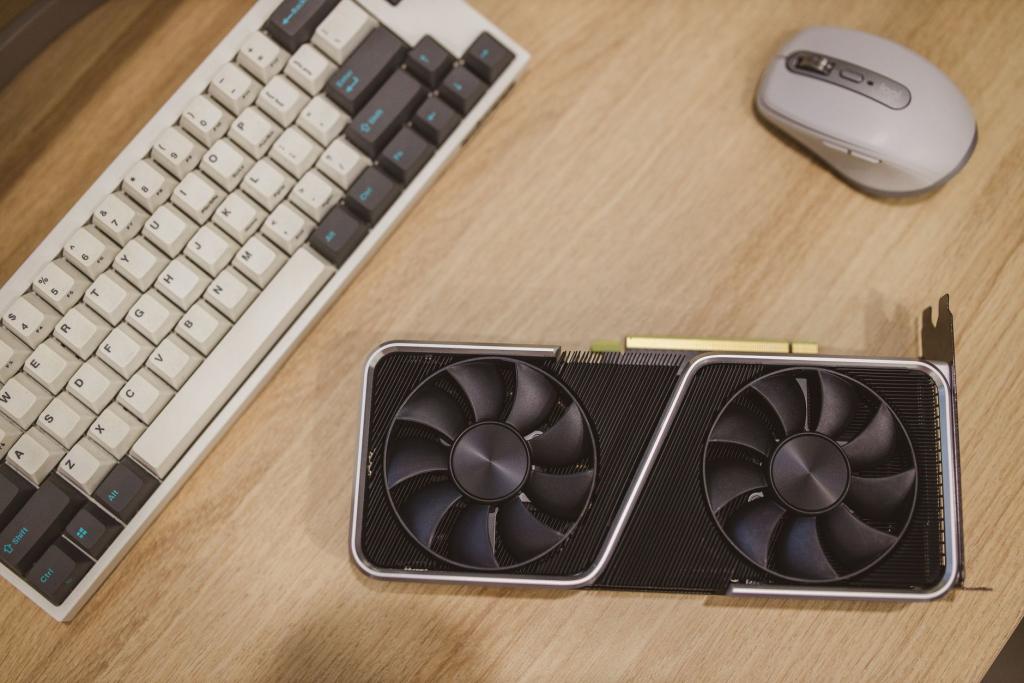
The GeForce RTX 5090, the fastest gaming graphics card on the market, may be on its way out. On October 10, 2026, hardware leaker Jukan posted on X that the card "has been discontinued" and that the GB202 chip behind it would "now be supplied exclusively to the RTX Pro lineup," adding: "It's over."
VideoCardz picked up the claim within hours, and reports from Wccftech, KitGuru, and Hardware Busters followed through the day, citing posts from leakers MEGAsizeGPU and hongxing2020. The claim is unverified, but the retail facts underneath are not in dispute: the card is nearly impossible to buy at anything near its launch price, and Nvidia has issued no statement on an end-of-life date either way.
The card launched in January 2025 at $1,999 and quickly became the default choice for enthusiasts who wanted the fastest GPU available. Its GB202 chip carries 21,760 CUDA cores and 32GB of GDDR7 memory, and it remains the fastest graphics card for gamers on the market, according to Wccftech. It has also become functionally unbuyable at its sticker price: third-party sellers have listed the card for as much as $9,500, and Wccftech reports street prices north of $6,000.
The money case for the Pro lineup
The same GB202 die sits at the heart of three workstation cards: the 96GB RTX Pro 6000, the 84GB RTX Pro 5500, and the RTX Pro 5000 in 48GB and 72GB versions. Each sells for several times what a GeForce card does, and every die that leaves the production line inside the GeForce flagship is one that did not become a Pro card, as Hardware Busters put it in its report.
The pricing trend explains the temptation. According to pricing tracked by Tech Insider, Nvidia launched the RTX Pro 6000 at $8,565 in April 2025. By June 2026 it had climbed to $13,250, and by August it peaked at sixteen thousand dollars. That is an eighty-seven percent increase in sixteen months with no changes to the hardware, as AI demand keeps climbing. When one chip can sell itself twice over at those margins, there is little business case left for selling it to gamers at a tenth of the price.
Rising DRAM prices have made the math harsher still. Wccftech notes that the Pro cards' price surge has pushed AI buyers toward the gaming card instead, since it offered better value for AI work at its lower price. In China and other regions where these GPUs face restrictions, thousands of smuggled GeForce flagships have been retrofitted with modified coolers and circuit boards to serve in AI workstations and servers, according to the same report.
Gamers may get a bigger RTX 5080 instead
The reports also sketch a replacement for gamers left without a flagship. According to hongxing2020, via Wccftech, Nvidia is preparing an RTX 5080 with 24GB of memory built from 3GB GDDR7 modules, up from the 2GB modules in the current 16GB card. The expected model would sit between the existing RTX 5080 and the old flagship: a bigger-memory card for gamers who need the headroom without the flagship die.
The RTX 5080 remains Nvidia's top consumer card by default if the flagship goes, but it is a long way from a true flagship. Even that bigger-memory card would not match the flagship's core count or memory bus, and it would arrive in a market already stretched thin.
DRAM shortages are squeezing everything
The GPU story is part of a wider memory crunch. US system integrator Stince Built posted on October 9, 2026 that it is seeing growing supply constraints on graphics cards, with allocations tightening across its distribution partners, and warned customers to expect prices to climb "significantly." The company said GPUs have already risen fifty to sixty percent compared with last year, alongside record prices for memory and storage.
For gamers, the practical question is what happens to existing flagship stock that is already out there. If Nvidia really is steering every new GB202 die to the Pro lineup, existing stock becomes the whole market. The price of the world's fastest gaming GPU would then be set by whoever is still holding one.
Comments 0
No comments yet. Be the first to share your thoughts!
Leave a comment
Share your thoughts. Your email will not be published.