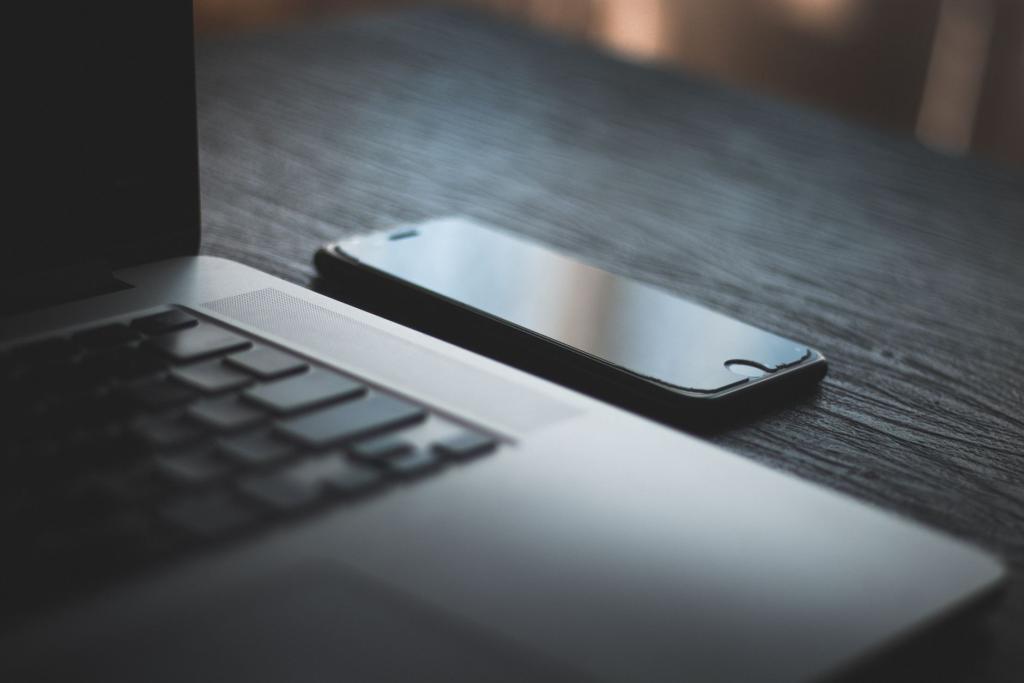
Apple has told suppliers to cut production of components for its newly launched iPhone 18 Pro and iPhone 18 Pro Max, according to Nikkei Asia, as soaring memory chip costs and higher prices weigh on consumer demand. The report, relayed by Reuters on October 9, 2026, says October component orders were reduced by at least fifteen percent from what Apple originally requested. People familiar with the matter said Apple has been more conservative on shipments since early September 2026. It is the first public sign that Apple cuts pro orders this cycle, and it lands barely a month after the company's biggest launch event of the year.
For now the report remains unconfirmed. As reported by Reuters, the news agency said it could not independently verify the Nikkei account, and Apple did not respond to a request for comment. The report did not name the suppliers affected, which matters because component-level adjustments do not always translate into fewer finished phones shipping to stores. Apple routinely fine-tunes its build plan in the weeks after a launch as real demand comes into view. Still, Apple cuts pro orders this early in the cycle only rarely, which is why investors treated the report as a demand signal: the stock slipped more than two percent in early trading on the day the story broke, as noted by MacTrast.
The memory crunch behind Apple cuts pro orders
The deeper story is not really about one phone. Technology companies have been scooping up advanced chip-making capacity and memory chips to power AI data centers, sparking shortages and price increases that are expected to shrink both the personal computer and smartphone markets this year, according to the full Reuters report on the Nikkei findings. Memory makers have been shifting production away from the RAM that goes into consumer devices toward the high-bandwidth memory that data centers demand. When Apple cuts pro orders over component costs, it is reacting to the same squeeze that has pushed gaming hardware prices to record highs — see our reporting on why console prices have never been higher, and sales never lower.
This is not the first time Apple has passed memory costs on to buyers. The company raised iPad and MacBook prices in June 2026, saying it could no longer shield customers from soaring memory and storage chip costs driven by the AI industry's data center buildout. The iPhone 18 Pro and Pro Max followed that pattern: they start at $1,199 and $1,299, a hundred dollars more than the iPhone 17 Pro line they replaced. As more AI features are added to iPhones, Apple's own demand for high-performance memory keeps rising, which only tightens the vise.
A split launch makes the numbers harder to read
The calendar also complicates the picture. Apple unveiled the new Pro models alongside its foldable iPhone Duo in September 2026, but this year it is running a split launch: the regular iPhone 18, the lower-cost iPhone 18e and the ultra-thin iPhone Air 2 were pushed to spring 2027, while the foldable Duo goes on sale on October 23, 2026. Nikkei noted that softer demand from late August into October 2026 could partly reflect that schedule change rather than pure weakness — some buyers may simply be waiting for the spring lineup or for the foldable to hit shelves. That schedule context matters every time Apple cuts pro orders headlines the news, and it is worth keeping in mind before reading too much into one supplier-level report.
For shoppers, the practical takeaway is that upgrade math keeps getting harder. A flagship phone that costs an extra hundred dollars over last year's model, in a market where memory costs show no sign of easing, makes holding onto a current device for another year the rational move. Holiday buyers eyeing a Pro model should expect firm pricing and little incentive to discount. The key number to watch now is whether the order reduction persists: per TradingKey's analysis, if cuts continue and spread to more suppliers, iPhone revenue could come under pressure, and the question becomes whether a higher average selling price can offset lower volume. That is the dynamic to track as Apple cuts pro orders heading into the holiday quarter.
None of this means Apple is in trouble — it means the AI memory crunch that has already reshaped data centers, consoles and laptops is now reaching the product Apple sells most. When Apple cuts pro orders, it is a reminder that the cost of the AI boom is being paid in ordinary hardware budgets, one component contract at a time. For more on the business of tech and gaming, see our tech and games coverage.
Comments 0
No comments yet. Be the first to share your thoughts!
Leave a comment
Share your thoughts. Your email will not be published.