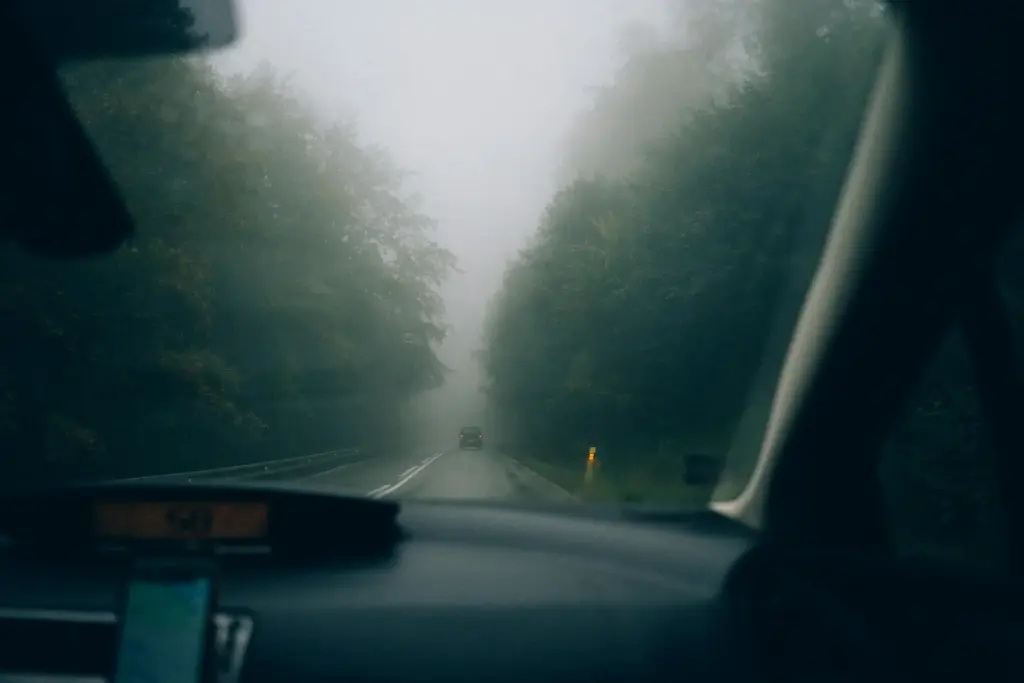
Federal auto safety regulators have escalated their investigation into Tesla's Full Self-Driving (FSD) technology following multiple crashes that occurred while the system was engaged. The NHTSA Tesla FSD probe was expanded after the National Highway Traffic Safety Administration identified nine crashes where the self-driving software failed to quickly alert drivers to take control in fog and other poor conditions because the vehicle's cameras weren't picking out road hazards, according to AP reporting. This represents a significant escalation in the regulatory scrutiny of Tesla's driver assistance technology and could have far-reaching implications for the future of autonomous vehicles in America.
The expanded probe comes at a critical time for Tesla, as CEO Elon Musk prepares to roll out a new model with no steering wheel or pedals. This represents a significant shift in the company's strategy, moving away from traditional car sales toward software and autonomous driving technology. The regulatory scrutiny could impact Tesla's plans to introduce vehicles without traditional controls, potentially delaying the company's vision for a fully autonomous future. Investors have been closely watching these developments, as the company's stock price has become increasingly tied to the success of its FSD technology.
Safety Concerns Mount
The NHTSA Tesla FSD probe memo specifically identified issues with the FSD system's ability to detect hazards in degraded visibility conditions, including fog, glare, and airborne obscurants. The investigation has been elevated to an engineering analysis, which represents a more intensive phase of regulatory review, as reported by Reuters. This escalation signals growing concern about the safety of Tesla's driver assistance technology from federal regulators who are tasked with protecting public safety on American roads.
Tesla has called its driver assistance software Full Self-Driving, or FSD, a name that auto experts and regulators have consistently said is misleading because drivers must always keep their eyes on the road and be ready to take over at any moment. The company's marketing has faced criticism for implying greater autonomous capability than the technology actually provides, as reported by multiple news outlets including Associated Press. This criticism has grown louder as the number of incidents involving Tesla's FSD system has increased, raising questions about the company's responsibility to inform consumers accurately about the limitations of their technology.
The NHTSA examination found that in several crashes, the FSD system failed to adequately warn drivers about impending collisions in low-visibility conditions. The agency is particularly concerned about the system's reliance on camera-based perception, which can be compromised by weather conditions like fog, heavy rain, and bright sunlight. These findings have prompted calls for more robust safety measures before the technology can be approved for wider deployment on public roads across the United States.
Tesla's Future Plans at Risk
The increased regulatory scrutiny comes as Tesla tries to convince investors that the future of the company lies less in selling cars as traditional vehicle sales drop and more in making its self-driving software ubiquitous. The company has invested heavily in developing autonomous driving capabilities, positioning them as a key differentiator in the competitive EV market. However, the NHTSA Tesla FSD probe could slow these ambitions significantly, potentially affecting the company's long-term growth strategy and market position.
Tesla Europe, meanwhile, expects a separate decision by April 10 from the Dutch vehicle authority RDW on whether to approve Full Self-Driving technology in the Netherlands. A positive decision could pave the way for EU-wide approval during the summer, potentially opening significant new markets for Tesla's self-driving technology. The Dutch agency said in November it would approve the technology once its safety had been convincingly demonstrated, according to Reuters reporting. This decision could provide a contrast to the increasing scrutiny Tesla faces in the United States.
The dual regulatory pressures in both the United States and Europe highlight the global challenge facing Tesla as it seeks to expand its FSD technology. While the company maintains that its technology is safer than human drivers, regulators remain skeptical and are demanding more rigorous testing and validation before granting approval for more advanced autonomous features. The outcome of these investigations could shape the future of autonomous driving regulation worldwide, potentially setting precedents that affect the entire automotive industry.
Comments 0
No comments yet. Be the first to share your thoughts!
Leave a comment
Share your thoughts. Your email will not be published.