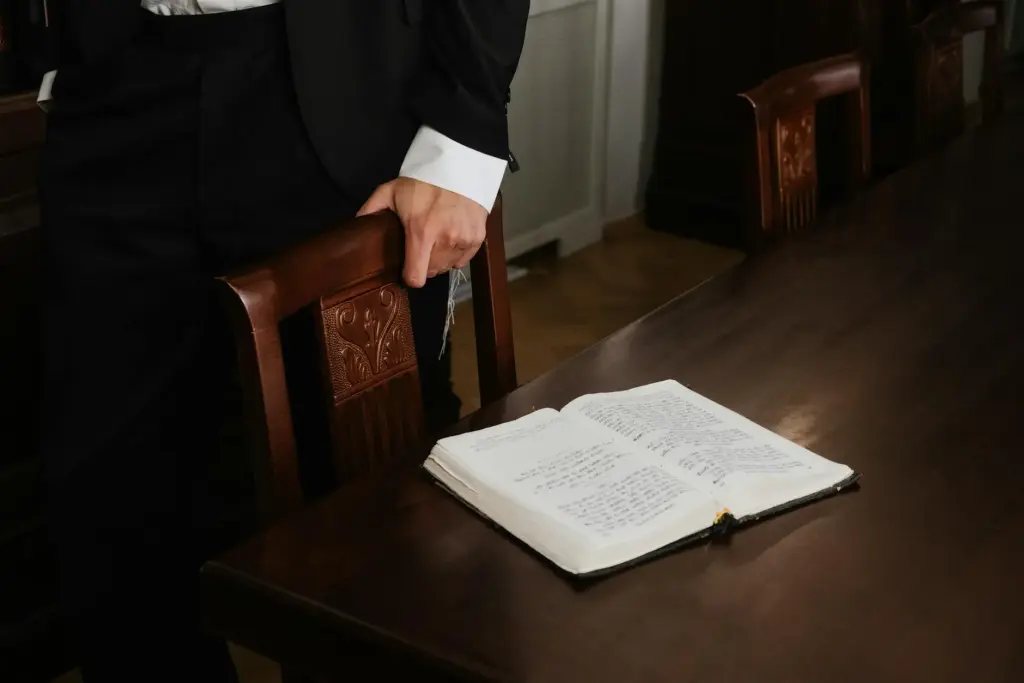
In a landmark case that could reshape the AI industry, Encyclopedia Britannica and Merriam-Webster have filed a copyright lawsuit against OpenAI. The Britannica OpenAI lawsuit accuses the company behind ChatGPT of scraping nearly 100,000 dictionary entries and encyclopedia articles without permission to train its AI models. This is basically the dictionary coming for the most powerful AI company on the planet, and it's a fight everyone's gonna be watching.
The Britannica OpenAI Lawsuit: What Exactly Is Happening
The lawsuit, filed in U.S. District Court in Manhattan on March 13, 2026, describes what Britannica calls "massive copyright infringement." According to the complaint, OpenAI systematically copied dictionary entries and encyclopedia articles to train ChatGPT, then produced outputs that reproduce that copyrighted content word-for-word. The Britannica OpenAI lawsuit also targets trademark infringement, claiming ChatGPT sometimes makes up false information and attributes it to Britannica or Merriam-Webster.
Britannica's legal team, which includes the prominent firm Susman Godfrey, argues that OpenAI's practices undermine their investment in human-created, fact-checked content. The publishers say they're hemorrhaging revenue as AI substitutes for their subscription-based services. According to TechCrunch reported by, this lawsuit mirrors a similar complaint Britannica and Merriam-Webster filed against Perplexity AI last September, showing this is part of a broader battle over who owns the data that makes AI work.
Why the Britannica OpenAI Lawsuit Matters for Every Tech Company
This case could fundamentally change how AI companies source their training data. Studies show that commercial language models like ChatGPT-5.2 can now develop original mathematical proofs and produce human-quality text, but all of that capability rests on data scraped from the internet without compensation to creators. As reported by Phys.org, researchers have demonstrated these models can solve previously unsolved mathematical problems, yet the underlying data came from sources like Britannica without payment.
The timing is significant because OpenAI is reportedly gearing up for a potential IPO, which could happen as soon as this year, according to CNBC. Legal experts say court rulings on fair use in AI training will shape data access norms for the entire industry. If Britannica wins, AI companies might need to start licensing content instead of scraping it for free, which could increase costs dramatically and potentially slow down AI development.
The Britannica OpenAI lawsuit also highlights a deeper problem with how AI models are trained. Most people don't realize that when companies like OpenAI build their language models, they essentially hoover up vast portions of the internet, including copyrighted material from publishers who never consented to their work being used this way. This has led to a wave of lawsuits from news outlets, book authors, and now reference publishers like Britannica.
For Gen Z users who use ChatGPT for homework, research, or just chatting, the Britannica OpenAI lawsuit raises uncomfortable questions about whether the AI tools we rely on are built on stolen content. Your ChatGPT conversations are powered by material that human writers and editors created and expected to be compensated for. Whether that relationship needs to change is now a question for the courts to decide. For more on how AI is changing content creation, check out our coverage of AI News and our Tech & Games section.
The case is expected to drag on for years in court and could eventually reach higher courts. OpenAI has not yet publicly responded in detail to the lawsuit, but the company's legal team is surely preparing their defense around the fair use doctrine. Meanwhile, other publishers are watching closely, as this lawsuit could set precedent for dozens of similar cases against AI companies. The next time you look up a word in ChatGPT, remember - that knowledge might have been taken from people who never got paid for it. This is a story that's far from over, and its outcome will affect how the entire internet works for generations to come. The dictionary has officially entered the chat, and it's not backing down anytime soon.
Comments 0
No comments yet. Be the first to share your thoughts!
Leave a comment
Share your thoughts. Your email will not be published.