For years, the taste of autumn was settled: pumpkin spice ran everything from lattes to lip balm, and challengers came and went without denting its crown. But this fall the line at the coffee counter is ordering something different. Banana, the fruit your lunchbox took for granted for decades, has become the most talked-about flavor in drinks, and the numbers behind the banana flavor trend say it is more than a novelty week.
Menu research company Technomic reports that banana-flavored specials surged by seventy percent in 2026, and banana bread is now classified as an "extra hot" trend. After climbing steadily since 2024, the flavor has surpassed pumpkin spice in online searches over the past two years, according to reporting by CultureMap Fort Worth. A lunchbox fruit outpacing America's most entrenched seasonal flavor is a sign that tastes have genuinely shifted.
Starbucks went all in on banana bread
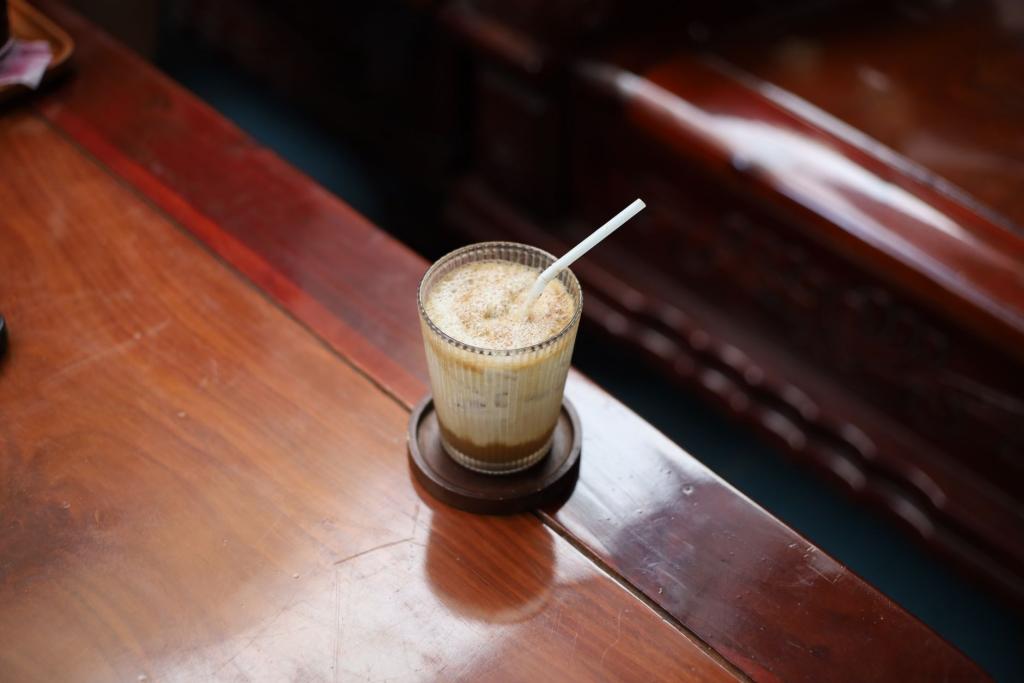
The clearest signal came on August twenty-fifth, when Starbucks launched its fall menu with six new drinks and gave two of the slots to banana. The Iced Banana Bread Latte pairs Blonde Espresso with banana syrup, milk, and ice, then finishes it with brown sugar cream cold foam and a cinnamon dolce topping, according to ConsumerAffairs. Its sibling, the Iced Banana Bread Chai, skips the espresso and layers the same banana syrup into spiced chai. Unlike most autumn launches, both drinks are expected to stay on the menu beyond the fall season, a longer runway than a typical seasonal special.
The banana lineup keeps growing from there. An Iced Banana Bread Matcha joined the permanent menu earlier in the year, and reviewers have noticed the flavor working harder than expected. PureWow's taste tester, initially put off by memories of artificial banana candy, found the banana subtle enough that the brown sugar cold foam and cinnamon topping carried the drink, as PureWow reported. That reaction gets at the heart of the trend: this is banana as baked good, which lands very differently from banana as candy.
Why banana, and why now
Ask the chefs riding the wave and they will tell you the fruit itself never changed, only the preparation did. "Banana used to be a difficult flavor because people associated it with artificial candy, overly sweet syrups, and that fake-banana taste," Casey La Rue, co-founder of La Rue Doughnuts in Dallas, told CultureMap. "Now chefs and coffee shops are using real banana, roasted banana, and more balanced combinations with coffee, caramel, chocolate, and spice." La Rue's verdict on the shift is blunt: "People didn't suddenly start liking banana, they started getting better versions of it."
The pudding aisle tells the same story. Texas Monthly barbecue editor Daniel Vaughn, whose passion for banana pudding helped put the dessert on menus across Texas, told CultureMap that the dessert's payoff comes from simplicity: pudding, fresh banana slices, and a cookie, layered in the right order. He noted that the artificial flavors of boxed banana-flavored pudding are nearly extinct, which lets the flavor come from real bananas. La Rue reports the same pattern in his own shops, where guests who once asked for a different dessert if banana appeared on the menu now make banana items his number one sellers.
There is also a backstory most American drinkers never heard. The banana-in-coffee idea traces back to Binggrae's banana-flavored milk, an iconic drink introduced by the Korean food and beverage company in the mid-seventies and sold in a little bottle that became a childhood staple for generations of Koreans. According to CultureMap, Koreans were the first to add banana as a flavor to coffee drinks, and that lineage inspired Starbucks as well as Coffee Mate and Califia Farms, which both recently released banana-flavored coffee creamers. The trend arriving on American menus this year is, in a real sense, a Korean invention coming back around.
The indie wave is already everywhere
Once a flavor earns a Starbucks designation, the rest of the industry follows. Banana bread cold brew is pouring at 7 Brew, banana cold foam is on the menu at PJ's Coffee of New Orleans and at Dunkin', and across Texas nearly every independent coffee shop now pours some version of a banana latte. Cafe Duro in Dallas, Smoking Tiger's Korean bakery in Carrollton, and Bruvana Coffee House in Flower Mound all have one, while Cafe Carola in Houston makes its banana bread latte with a house-made banana purée.
The creativity goes beyond the basic build. Bright Coffee in San Antonio serves a banana milk latte with espresso and an in-house banana sauce, and Terrible Love in Austin layers banana and chocolate syrups with whipped cream and crumbled Nilla wafers in its signature Trrbl Latte. Even matcha shops are in on it: Kissa Matcha in Grand Prairie has added banana to its matcha lattes, which says something about how well the flavor travels.
Beyond the cup
Drinks may be leading, but the banana flavor trend is spilling into other aisles. Sonic is all in with a banana pudding shake, a banana-pudding soft-serve blended with vanilla wafer crumbles, and a banana pudding cream slush. Candy and bakery chains have followed with banana bread pudding M&Ms and a banana-Nutella bundtlet from Nothing Bundt Cakes, while Hai Hospitality recently built a banana sundae with banana sorbet, coconut, caramel, plantains, and bruléed banana for a Houston charity event.
This is not one chain's limited-time gimmick. It is a flavor crossing categories the way salted caramel and cold brew did before it, a path this site has watched before, from the dirty soda craze that built a one hundred fifty-store empire to the pickle brand Gen Z built from TikToks. Pumpkin spice is not going anywhere. But this year, when the menu boards flip for fall, the flavor most people are reaching for tastes like banana bread.
Comments 0
No comments yet. Be the first to share your thoughts!
Leave a comment
Share your thoughts. Your email will not be published.