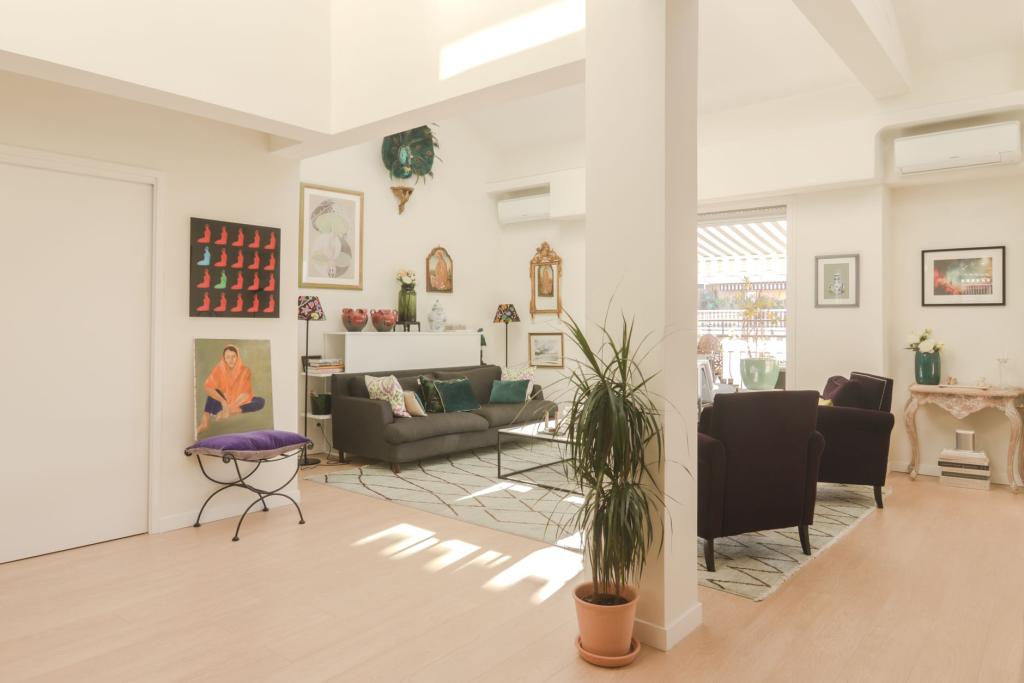
A century-old design movement is having one of its biggest revivals yet. Trend forecasters call the look Neo Deco, and recent search data puts it among the fastest-accelerating aesthetics in home design this fall. Brass hardware, velvet seating, and rooms dressed in burgundy and deep jewel tones are showing up in design feeds, showrooms, and listings across the country.
The original Art Deco movement gave the world the Chrysler Building and the Paris Exposition of 1925, and it treated bold geometry and rich materials as serious design. The style has surfaced in interiors before, but this time the revival is registering in consumer search data and home listings alongside the design industry, which has put it in front of a far wider audience than earlier comebacks.
The numbers behind the aesthetic
According to Trendalytics' latest fall and winter home decor forecast, search interest in Neo Deco grew 210% year over year, making it one of the fastest-growing aesthetics in current tracking. Pinterest had already named Neo Deco one of 2026's defining home trends in its forecast late last year: searches for brass aesthetics rose 35%, red marble bathrooms 80%, and antique bar carts 100%. The platform's data pointed to Gen X and millennials as the generations driving early adoption.
What a Neo Deco room actually looks like
The elements share a common design grammar. Fluted detailing shows up on cabinet fronts, furniture legs, and lighting fixtures. Geometric tile in chevron and fan-arch patterns is appearing in kitchens and baths where subway tile dominated for a decade. Rich textiles are back as well: velvet cushions, boucle chairs, and channel-tufted seating bring color and texture to surfaces that spent years staying neutral.
Metal finishes are doing much of the work. In a recent designer survey reported by Home Accents Today, 79% chose brass over chrome for the year ahead, and warm metallic finishes like brushed gold and bronze are becoming more prominent in 2026. Sculptural pendants and tiered chandeliers with geometric silhouettes have become one of the most visible entry points into the look.
What holds the aesthetic together is that every piece earns its presence by what it communicates. Collections this year have included game tables with brass accents and ebony detailing alongside lacquer-framed reissues of mid-century seating. The look is showing up across price points, from heritage luxury houses to younger studio-scale brands.
Milan saw it coming
The 64th Salone del Mobile, held in Milan this past April, gave the direction an early public confirmation. Art Deco-influenced design emerged as one of the fair's prominent stories, with designers showing lacquered finishes, brushed brass, velvet upholstery, and sculptural furniture built on geometric forms. As reported by Food Drink Life, InteriorDaily and Yanko Design both covered the Neo Deco direction as a major story from the fair, noting the departure from the pale woods and restrained silhouettes that had dominated recent editions.
What else fall 2026 is bringing
Neo Deco is not the only idea gaining ground this fall. Color drenching takes the opposite approach to geometry and contrast, committing to a single saturated hue across walls, trim, ceiling, and sometimes the furniture. Zillow's listing data shows mentions of the technique up 149% year over year, and designers surveyed for a 2026 forecast chose color drenching over pattern drenching by a two-to-one margin.
Another direction has less to do with materials and more to do with how a space is used. Reading nooks appeared 48% more often in Zillow listings year over year, and designers named alcoves, niches, and built-in millwork among their architectural recommendations for the year ahead. The common thread is homeowners carving single-purpose corners out of rooms that were designed to do everything at once: a window seat built for morning coffee, a closet converted into a library nook.
The through line across all of these trends is personal. If the search data and the design industry are reading the same signals, the next period in American home design will favor bold geometry, saturated color, and spaces designed around intention rather than flexibility. A room, this fall, is expected to feel like it belongs to the person living in it.
Comments 0
No comments yet. Be the first to share your thoughts!
Leave a comment
Share your thoughts. Your email will not be published.