NASA has officially confirmed that the Artemis II moon mission is on track for an April 1 launch date, marking humanity's return to lunar exploration after more than 50 years. The announcement came Thursday following a critical Flight Readiness Review that cleared the mission for its historic journey around the moon.
The Artemis II moon mission represents a monumental milestone for space exploration, carrying four astronauts on a 10-day voyage that will take them farther from Earth than any humans have traveled since the final Apollo mission in 1972. This will be the first crewed flight of NASA's powerful Space Launch System rocket and Orion spacecraft.
Flight Readiness Review Clears Path to Launch
The two-day Flight Readiness Review, held at Kennedy Space Center in Florida, brought together mission managers, engineers, and safety specialists to evaluate every aspect of the upcoming launch. According to CNN's reporting, the review concluded with a unanimous vote approving the Artemis II moon mission for launch.
"All the teams polled 'go' to launch and fly Artemis II around the moon," said Lori Glaze, acting associate administrator for NASA's Exploration Systems Development Mission Directorate. The successful review represents the culmination of years of preparation and addresses technical challenges that previously delayed the mission.
The mission was originally scheduled for February but was postponed after engineers discovered a helium system issue during fueling tests. The helium system regulates pressures in the rocket's fuel tanks and is critical for a safe launch. Repairs and additional testing have now been completed satisfactorily.
Mission Profile and Key Objectives
The Artemis II moon mission will send four astronauts on a figure-eight trajectory around the moon, traveling approximately 600,000 miles total before splashing down in the Pacific Ocean. The crew will venture about 600,000 miles from Earth, passing within about 80 miles of the lunar surface during their closest approach.
As reported by Fox News, this flight serves as a critical test before Artemis III, which aims to land astronauts on the moon's surface later this decade. The crew will evaluate spacecraft systems, test emergency procedures, and demonstrate deep space communication capabilities.
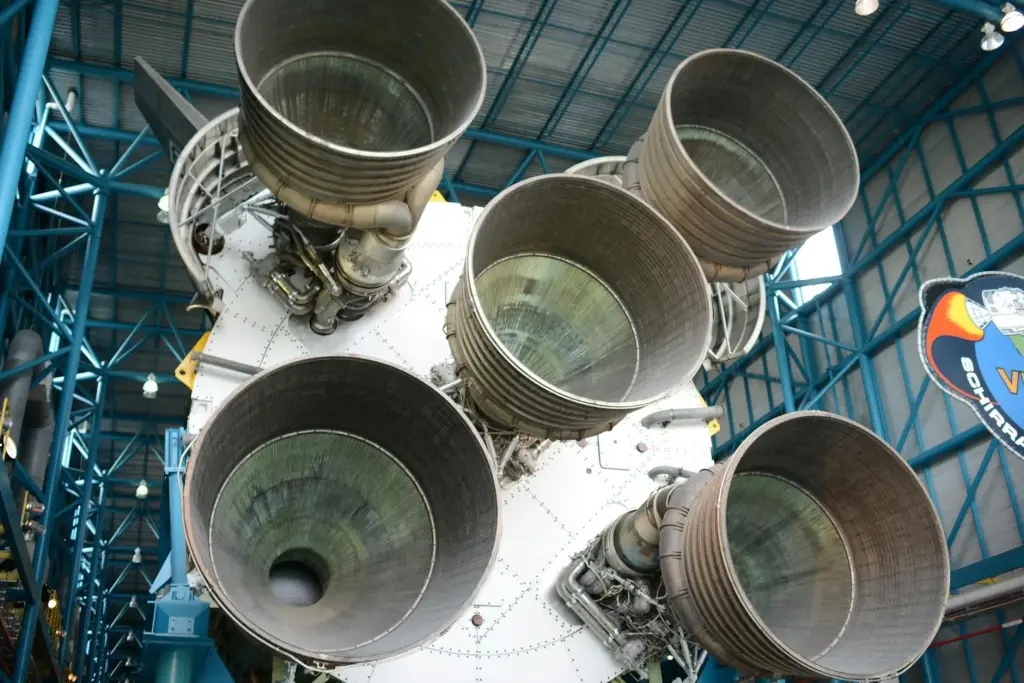
The Space Launch System rocket, the most powerful vehicle ever built by NASA, will generate 8.8 million pounds of thrust at liftoff. The Orion capsule will carry the crew through deep space, testing life support systems and navigation technology essential for future Mars missions.
Countdown to Historic Launch
NASA has established a six-day launch window opening April 1 from Kennedy Space Center's Launch Complex 39B. The crew will enter pre-flight quarantine at Johnson Space Center in Houston on March 18 before traveling to Florida on March 27. For more space mission updates, visit the science news section.
According to Houston Public Media, if the April 1 window is missed, the next opportunity opens April 30 into early May. Launch windows are carefully calculated to align with optimal Earth-moon positioning for fuel efficiency and trajectory requirements.
This mission represents the second flight of the Space Launch System, following the successful uncrewed Artemis I test in 2022. Unlike its predecessor, this flight will carry a human crew who will manually pilot the Orion spacecraft at critical mission points, testing its handling characteristics in deep space.
Significance for Future Exploration
The Artemis II moon mission serves as the essential bridge between test flights and actual lunar landing missions. The knowledge gained from this crewed circumlunar flight will inform preparations for Artemis III, which aims to put the first woman and first person of color on the moon's surface.
Recent updates to the mission include architectural refinements and additional planning, as detailed in NASA's official communications. These improvements reflect lessons learned from earlier missions and incorporate new technologies developed since the program's inception.
The mission also advances NASA's broader goal of establishing a sustainable human presence on and around the moon. Data collected during this flight will inform the design of lunar habitats, support systems for extended stays, and strategies for utilizing lunar resources in future exploration efforts.
Global Impact and Next Steps
The Artemis II moon mission carries significance extending beyond American space exploration. International partners including the European Space Agency, Canadian Space Agency, and Japan Aerospace Exploration Agency have contributed critical hardware and expertise to this flight, representing a global cooperative effort.
As the launch date approaches, final preparations include spacecraft closeouts, launch vehicle integration, and coordination with range safety officials. NASA will provide comprehensive launch coverage as the countdown to humanity's return to the moon enters its final phase. Follow all space exploration developments in the science section.
The successful completion of this historic flight will restore human deep spaceflight capability that has been dormant for over five decades. For Gen Z viewers who have never witnessed a crewed lunar mission, this launch represents a unique opportunity to witness the dawn of a new era in space exploration that could eventually lead to Mars and beyond.
Comments 0
No comments yet. Be the first to share your thoughts!
Leave a comment
Share your thoughts. Your email will not be published.