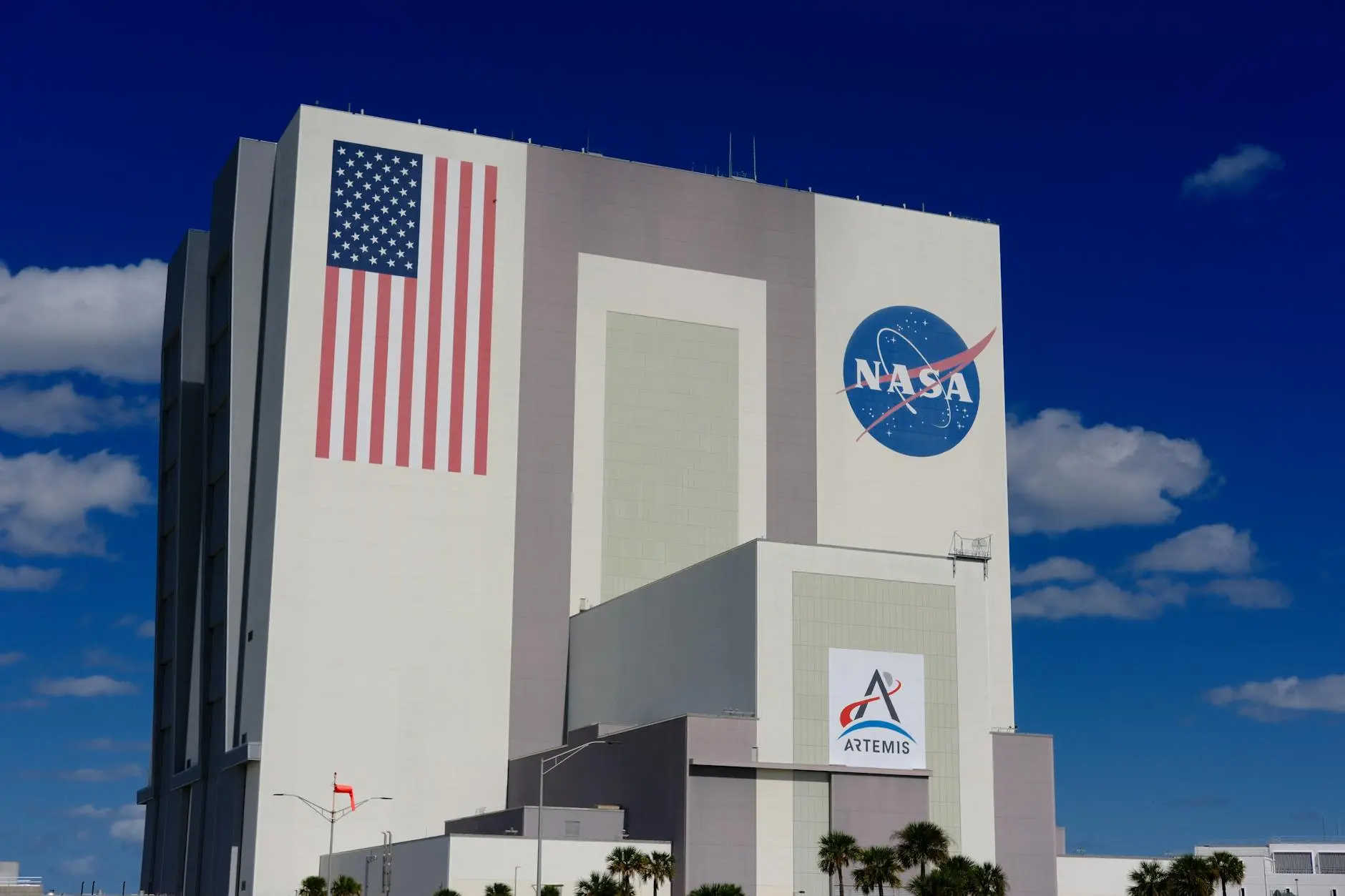
The NASA Artemis II launch represents a major milestone in space exploration. The announcement follows a critical two-day Flight Readiness Review where mission managers formally certified the Space Launch System rocket and Orion spacecraft for flight. All teams polled "go" for launch, clearing the way for the first human mission to the lunar vicinity since Apollo 17 in 1972.
The Historic Mission Details
The NASA Artemis II launch will carry four astronauts—Reid Wiseman, Victor Glover, Christina Koch, and Jeremy Hansen—on a journey covering 600,000 miles around the moon and back. Unlike the Apollo missions that landed on the lunar surface, this mission will perform a lunar flyaround, testing critical systems before the Artemis III landing mission scheduled for 2028.
As reported by NPR, the mission will validate life support systems, navigation capabilities, and spacecraft performance with humans aboard. The crew will travel farther from Earth than any humans since the Apollo era, venturing approximately 600,000 miles during their 10-day voyage.
The NASA Artemis II launch window opens April 1 from Kennedy Space Center in Florida and runs through April 6. If technical or weather issues prevent launch, the next opportunity opens April 30 into early May. The crew will enter quarantine at Johnson Space Center in Houston on March 18 before traveling to Florida on March 27.
Overcoming Technical Challenges
The NASA Artemis II launch date follows months of technical challenges. The mission was originally planned for earlier in 2026 but encountered serious issues requiring extensive repairs. Following a successful fueling test in February, engineers discovered problems with the rocket's helium system that regulates pressures in the fuel tanks.
The space agency took the cautious approach of returning the rocket to the Vehicle Assembly Building for repairs. According to Space.com, engineers have now resolved the helium-flow problem and completed additional checks on the thermal protection system, clearing the way for the April launch attempt.
These challenges highlight the complexity of deep space exploration. The Space Launch System stands as the most powerful rocket ever built, and its systems must operate flawlessly in extreme conditions. NASA's decision to delay rather than launch with known issues demonstrates the agency's commitment to crew safety above schedule pressure.
The Artemis Generation
The NASA Artemis II launch carries special significance for Gen Z, representing the first time their generation will witness humans leaving low Earth orbit. While previous generations grew up with the Space Shuttle confined to Earth orbit, Artemis opens a new chapter of deep space exploration that will define the coming decades.
The Artemis program aims to establish sustainable human presence on the moon, unlike the Apollo program's brief visits. This long-term approach creates opportunities for scientific research, resource utilization, and preparation for future Mars missions. For young people considering careers in science and engineering, the NASA Artemis II launch signals a new frontier of possibility.
The crew selection reflects modern NASA's commitment to diversity. Christina Koch will become one of the first women to travel to lunar orbit, while Jeremy Hansen represents Canada's contribution as the first Canadian on a lunar flight. Victor Glover will be the first person of color on a lunar mission, making this NASA Artemis II launch historically significant on multiple levels.
Global Space Race Intensifies
The NASA Artemis II launch occurs amid renewed international competition in space. China's space program has successfully landed robotic missions on the moon and is developing its own lunar exploration capabilities. Private companies including SpaceX and Blue Origin are racing to provide lunar landing services for future Artemis missions.
The Artemis program has undergone significant restructuring under new NASA Administrator Jared Isaacman. The agency has accelerated timelines and increased flexibility, indicating a willingness to work with whichever private spacecraft can be ready for lunar landings. This pragmatic approach reflects the urgency of maintaining American leadership in space exploration.
International partnerships remain central to Artemis, with contributions from Canada, Europe, and Japan supporting the broader program. The lunar gateway space station currently under development will enable sustained lunar operations and serve as a staging point for Mars missions in the coming decades.
What Comes Next
NASA Artemis II launch success will pave the way for Artemis III, the mission that will return humans to the lunar surface for the first time since 1972. That mission, currently targeting 2028, will see astronauts land near the moon's south pole using commercially developed landers from SpaceX or Blue Origin.
The long-term vision extends beyond flags and footprints to establishing sustainable lunar infrastructure. Future missions will demonstrate resource extraction, test construction techniques, and develop the technologies needed for eventual Mars expeditions. The moon serves as both a destination and a testing ground for deeper space exploration.
For those following the NASA Artemis II launch countdown, the coming weeks will determine whether April 1 marks the beginning of a new space age. Either way, the mission represents humanity's renewed commitment to exploring beyond Earth orbit, a journey that will inspire generations to come.
Comments 0
No comments yet. Be the first to share your thoughts!
Leave a comment
Share your thoughts. Your email will not be published.