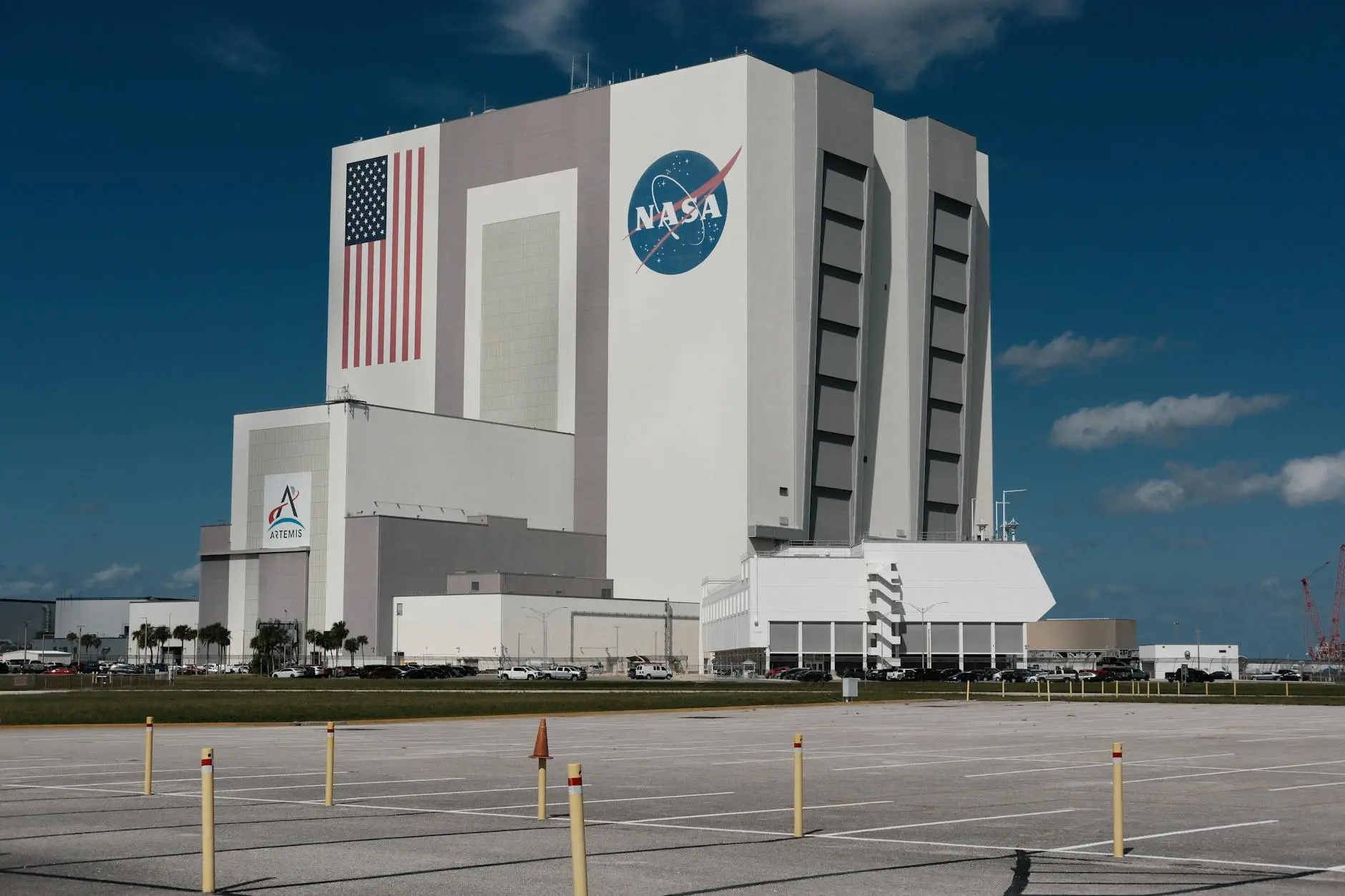
After years of preparation and anticipation, NASA has officially set the Artemis II launch date. The space agency announced that the historic crewed moon mission will target April 1, 2026, marking humanity's return to lunar exploration after more than five decades.
According to NASA's official announcement, flight readiness reviews have concluded successfully, giving the green light for the mission to proceed. This represents a major milestone in the Artemis program, which aims to establish sustainable human presence on the moon by the end of this decade.
The Mission and Crew
Artemis II will carry four astronauts on a 10-day journey around the moon and back. Unlike the Apollo missions of the 1960s and 70s, this mission will not land on the lunar surface. Instead, the crew will orbit the moon, testing critical systems and procedures necessary for future landing missions.
The crew represents a new generation of space explorers. They will travel aboard NASA's Orion spacecraft, launched atop the powerful Space Launch System (SLS) rocket from Kennedy Space Center in Florida. The mission will take them farther from Earth than any human has traveled since the final Apollo mission in 1972.
Why This Launch Date Matters
The Artemis II launch date announcement comes after careful technical reviews. Engineers have verified that all systems are ready for the complex mission ahead. The April 1 target opens a six-day launch window, giving mission controllers flexibility to work around weather or technical issues.
This timing is strategically important. The mission must launch during specific periods when Earth and moon align favorably for the spacecraft's trajectory. Missing this window would push the mission back by weeks or months, delaying the entire Artemis timeline.
NPR reported that this mission serves as the critical proving ground before Artemis III, which will attempt the first crewed lunar landing since Apollo 17. Every system, from life support to communication, must perform flawlessly during this orbital test flight.
Technology and Innovation
The Orion spacecraft represents decades of advancement over Apollo-era technology. It features modern avionics, improved radiation shielding, and systems designed for longer-duration missions. The European Service Module, built by the European Space Agency, provides power, propulsion, and life support.
Unlike the cramped Apollo capsules, Orion offers significantly more habitable space for its crew. Advanced displays and controls replace the mechanical switches and gauges of the 1960s. The spacecraft can support missions lasting up to 21 days, far exceeding Apollo's capabilities.
The Space Launch System rocket that will carry Orion is the most powerful rocket NASA has ever built. Standing taller than the Statue of Liberty, it generates 8.8 million pounds of thrust at liftoff. This massive power is necessary to send the crewed spacecraft on its translunar trajectory.
What This Means for Gen Z
For a generation that has never witnessed humans traveling beyond low-Earth orbit, the Artemis II launch date represents something profound. This mission could be the defining space moment of the 2020s, comparable to the moon landings that captivated previous generations.
The Artemis program is not just about flags and footprints. NASA's long-term goal is establishing a sustainable lunar presence, including the Lunar Gateway space station and surface habitats. These developments will require engineers, scientists, and technicians from today's generation to make them reality.
The commercial space industry is also watching closely. Companies like SpaceX, Blue Origin, and numerous smaller firms are developing technologies that could support lunar exploration. The data gathered during Artemis II will inform their development efforts and open new business opportunities in space.
Global Space Race Implications
NASA is not the only organization with lunar ambitions. China's space program has successfully landed robotic missions on the moon and is planning its own crewed lunar program. Russia, India, and several other nations are also developing lunar capabilities.
Private companies are joining the race too. SpaceX's Starship is being developed as a lunar lander for Artemis missions, while other companies are planning robotic missions to extract lunar resources. The moon is becoming increasingly crowded, making international cooperation and coordination essential.
The Artemis II launch date sets the pace for this new era of lunar activity. Success would demonstrate that NASA remains capable of executing complex deep-space missions. Any setbacks could shift momentum toward international or commercial competitors.
Looking Ahead
After Artemis II completes its mission, NASA will analyze all data before proceeding to Artemis III, the landing mission. That flight could occur as early as 2027, putting humans back on the lunar surface for the first time in over 50 years.
Ultimately, the Artemis program aims to establish a permanent lunar base and develop technologies needed for future Mars missions. The moon serves as both a destination and a testing ground for the longer journey to the red planet.
As the Artemis II launch date approaches, excitement will build among space enthusiasts worldwide. This mission represents the first step toward making humanity a truly multi-planetary species. For Gen Z, it offers the prospect of watching history unfold and potentially participating in the next great era of exploration.
Comments 0
No comments yet. Be the first to share your thoughts!
Leave a comment
Share your thoughts. Your email will not be published.