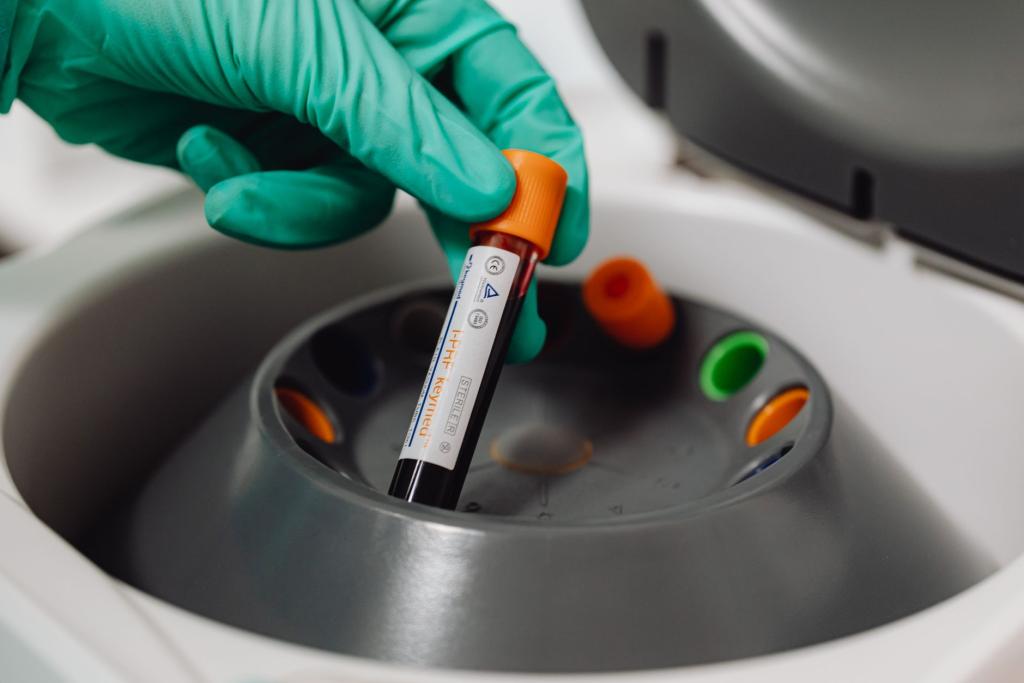
Multi-Cancer Early Detection took a step forward in early October, when Natera announced that regulators had granted its blood assay breakthrough status. According to Natera, the designation supports development of a test meant to screen for many cancers from a single blood draw. Read the announcement from Natera. For readers, the news is promising but preliminary. The assay remains investigational, and no one can order it as a routine screening test yet. Its promise is simple to grasp: catching tumors earlier, when treatment tends to work better, rather than waiting for symptoms or a separate screening for each organ.
What the Designation Does and Does Not Do
The formal label is Breakthrough Device designation, a category the Food and Drug Administration reserves for novel tools that could improve diagnosis or treatment of life-threatening conditions. Earning it does not mean the assay is cleared or approved. It means the agency will work more closely with the company during development and give future submissions prioritized review. That closer dialogue can shorten the path to a decision, but the test must still prove itself through validation and a full approval application. According to OncLive, the designation does not constitute clearance or approval of the assay. The distinction matters because breakthrough headlines can sound like a green light. Here, the light is amber: move faster, keep proving.
In granting the designation, the agency assessed data covering a dozen cancer types, weighing sensitivity, specificity, and origin prediction. In plain terms, reviewers asked how often the test flags cancer when cancer is present, how often it stays quiet when cancer is absent, and how well it points toward the tissue where the signal began. That last ability matters because a positive result is only the start. Doctors still need to find the tumor with imaging, biopsies, or other follow-up. Natera described the results as compelling, but it has not published the underlying numbers. That gap is the central caveat to this announcement, and it shapes everything that follows.
How One Draw Could Flag Many Cancers
The assay analyzes fragments of DNA that circulate in blood. Tumors shed tiny pieces of genetic material, and the test hunts for patterns that suggest cancer is present. When it finds a signal, it also offers a source hint to help guide the workup that follows. One draw, many possibilities: that is the core appeal. Today's screening landscape is built around one organ at a time. Mammograms look at breast tissue. Colonoscopies examine the colon. Pap tests check the cervix. Lung screening targets people with a heavy smoking history. Those tools save lives, yet most cancers have no routine screening option at all. A blood-based approach could reach cancers that currently surface only after symptoms appear.
“Too many cancers are diagnosed after they’ve progressed, simply because limited screening options exist,” said Alexey Aleshin, Natera’s corporate chief medical officer and general manager for oncology and early cancer detection, in a statement. He added that the designation reflects the rigor and promise of the company’s program and that the team looks forward to working with regulators to catch cancer sooner, when treatment is easier. The quote captures the stakes. Later diagnosis often means more aggressive treatment, fewer options, and worse odds. Shifting diagnosis earlier is the goal that unites researchers, clinicians, and patients, even when they disagree about how fast new tests should reach the clinic.
What Is Still Unproven
The unanswered questions are substantial. The announcement did not name the cancer types in the data set, describe the people whose samples were studied, or publish accuracy figures. Without those details, doctors cannot judge how the assay would perform in a general screening population, where most people do not have cancer and false alarms carry real costs. A false positive can mean weeks of anxiety, extra scans, invasive biopsies, and medical bills for a tumor that was never there. A missed signal can mean false reassurance. Both risks are why regulators demand large validation studies before any screening test reaches everyday care. According to Targeted Oncology, Natera has not publicly disclosed the numbers behind the designation.
No Multi-Cancer Early Detection test has won federal approval yet. The furthest along is Galleri, from GRAIL, which received its own breakthrough designation years earlier and filed a full application for approval at the start of this year. Weeks earlier, an advisory panel backed that test for adults aged 50 and older, though panel votes do not bind the agency and the application remains under review. Another test, Cancerguard, has been offered as a laboratory-developed test since September of last year without federal clearance. The contrast shows two paths to patients: agency review, which takes longer but demands more evidence, and lab-developed availability, which can arrive sooner with less oversight. Natera has chosen the agency path for its multi-cancer assay.
Separately, Natera is further along with a colorectal screening test built on a different approach. That program is now in a large validation study in average-risk adults, and the company expects to submit it to regulators in 2027. The colorectal effort does not predict how the multi-cancer test will perform, but it shows the company has experience running the kind of large studies regulators expect. For now, readers should stick with the screening tests already recommended for them and talk with a clinician about family history, symptoms, and risk factors. A designation of this kind is a signal that regulators see promise. It is not a test you can book, and it is not a reason to skip the screenings that already exist.
What to watch next is evidence. Publication of accuracy data, details on the cancers studied, and plans for a large trial would turn this designation from a promise into something doctors can evaluate. Until then, the story is best read as a milestone in a longer effort to spot cancer earlier with a simple blood sample. The science is moving. The proof is still to come.
Comments 0
No comments yet. Be the first to share your thoughts!
Leave a comment
Share your thoughts. Your email will not be published.