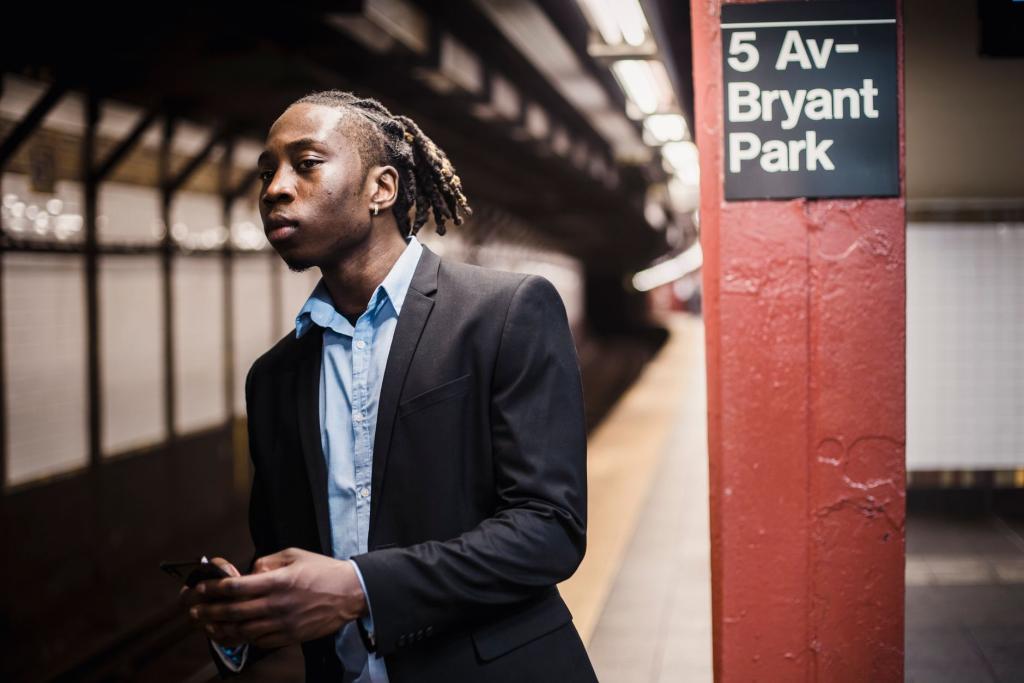
Influencer drama usually involves apology videos and deleted tweets. This one involves a city council, state records laws, and an encrypted messaging app that the mayor's own lawyer had already banned. New York City Mayor Zohran Mamdani's administration ran a private Signal group chat, the Mamdani Signal influencer chat, that sent daily talking points, video clips, and policy updates to hundreds of social media influencers. Then, when the City Council called officials in to explain it, the administration sent two staffers who knew nothing about the program.
The story surfaced in early September through an investigation by the Columbia Journalism Review's Tow Center. According to the CJR report, City Hall staffers operated a chat called "NYC Creators Announcements" that served 189 digital creators with a daily feed of messaging they could work into their own posts. Some creators were paid through city agency contracts for specific campaigns. Others participated for free and told the researchers the arrangement helped their accounts grow.
The network had roots in the campaign. Reporting on the CJR findings traced it back to Creators4Zohran, a group that worked the mayoral race and then moved into official government messaging after Mamdani took office. The same people kept posting, except now they were amplifying the administration instead of the candidate, with some paid through city contracts and others volunteering.
The memo nobody followed
On January 15, the mayor's chief counsel Ramzi Kassem sent communications workers a clear instruction: no Signal or WhatsApp for work. The New York Post, which obtained the memo, quotes it directly: "You should not use WhatsApp, Signal, or any other communications app or platform for work. If you have questions about the use of other platforms, please contact the Office of the Chief Counsel."
The memo also reminded staff that City Hall employees must preserve emails and messages under state records laws. Signal makes that difficult because it supports encrypted, disappearing messages that are hard to archive. Whether the creators chat used auto-delete is still unknown, and that gap is the heart of the public-records question.
Staff used the Signal channel anyway. And as the Post pointed out, Kassem himself seemed to forget his own rule when he defended the staffers' conduct after the chat came to light.
The hearing that went nowhere
The City Council's Committee on Governmental Operations scheduled an oversight hearing for September 22 to examine how the operation was built and whether it broke transparency and record-keeping rules. Committee Chair Gale Brewer set it after the CJR report. Councilman Phil Wong went further with a draft bill that would require city-paid influencers to disclose the relationship in their posts, using language like "Paid for by the City of New York," and close subcontractor loopholes that can hide payments.
The hearing itself produced almost no information. The administration sent two employees who had no role in the influencer program to field questions. When Minority Leader David Carr, a Republican from Staten Island, asked how many influencers had worked with the mayor's office or city agencies, no one testifying could say. Carr called it "incredibly disappointing and outright ridiculous," noting the hearing had a clearly defined topic but nobody in the room could discuss the substance of it.
Subsequent reporting, including coverage drawing on New York Times reporting, put the number of influencers at more than 250, above the 189 in the original CJR report. City Hall has declined to release the influencer roster or the amounts paid, and council members are now pushing bills requiring disclosure of city-funded social media content.
Why it keeps spreading
The story touches every nerve in the creator economy. A government quietly fed content to hundreds of influencers through an app built for messages that vanish. The mayor's own lawyer banned that app in January, and his staff kept using it. Then an oversight hearing arrived and the witnesses could not answer basic questions.
Some of the influencers have leaned into the attention. Creator Cassie Willson posted a joke image of a fake $10,000 check she quipped was payment from the Mamdani campaign, then praised the administration for keeping creators informed about new policies. Her account also reshared posts from other creators in the network. The saga belongs to the same genre as the Trainwreckstv Riot ban saga, the MomTok feud, and the Tilly Norwood AI actress glitch: a fight that played out almost entirely in front of an audience, except this time the audience was the City Council.
Earlier in September, Kassem said in a statement that the administration took "immediate corrective action" once it learned the chat was set to auto-erase, including telling staff to disable Signal's disappearing-message feature. Governor Kathy Hochul, asked about the controversy, said her own staff had been trained on state records laws and called Mamdani's approach "effective," while conceding she did not know of any disclosure legislation.
Where things stand now: the council wants answers about taxpayer-funded communications that may have disappeared into auto-erasing messages, Wong's disclosure bill is moving, and Signal is officially banned for work at City Hall. Whether anyone stopped using it is a question the public record, fittingly, cannot answer. It is also worth noting that the Mamdani Signal influencer chat scandal built on weeks of earlier coverage of the influencer network, including the governor's own response.
Further reading: the New York Post report on the leaked memo, the Post's earlier report on the disclosure debate, and the Columbia Journalism Review's investigation of the "NYC Creators Announcements" chat.
Comments 0
No comments yet. Be the first to share your thoughts!
Leave a comment
Share your thoughts. Your email will not be published.