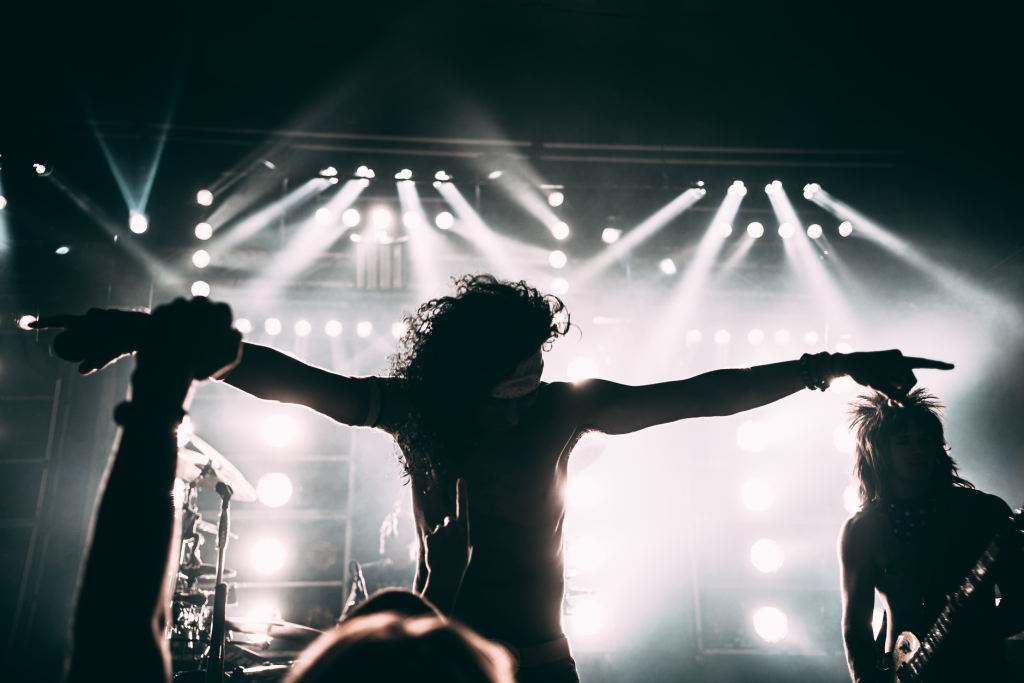
The 2026 MTV VMAs delivered a night of generational firsts, record-setting wins, and one long-awaited comeback. Held on Sunday, September 27 at the Peacock Theater in Los Angeles and hosted by Snoop Dogg, the ceremony marked the show's return to the West Coast for the first time since 2017, according to Tixel. The event aired live on CBS and MTV and streamed on Paramount+, bringing one of pop culture's biggest nights back to the city that built so much of its mythology.
Madonna was the night's undisputed champion, taking home seven awards including Artist of the Year — the biggest haul of the evening, according to RouteNote's winners breakdown. She also opened the show with a live performance, her first at the VMAs in 23 years, alongside Sabrina Carpenter. The pairing of two pop generations became one of the night's defining images and earned the pair the Best Collaboration award for their duet "Bring Your Love." GenZ NewZ previewed the ceremony before it aired, when Madonna was already the night's most-nominated artist with 11 nods.
Taylor Swift, meanwhile, made history of a different kind. She won Video of the Year for "The Fate of Ophelia," adding another trophy to an already towering collection. She also received the inaugural Artist Director Honors, a brand-new award created to recognize musicians whose work behind the camera has pushed music video and visual storytelling forward. Swift even used the night to premiere the music video for her new single "Patient Zero," a video she directed starring Colin Farrell and Dakota Johnson, turning the broadcast into a launch moment, according to Tixel's recap of the evening.
The night's biggest winners by the numbers
The winners list told a story of pop's past, present, and future colliding on one stage. Madonna's seven wins spanned categories from Artist of the Year to Best Dance for "Confessions II — The Film," showing how one artist can dominate both performance and visual craft in a single year. Swift's Video of the Year win for "The Fate of Ophelia" cemented her status as the ceremony's most consistent heavyweight of the modern era.
The newer generation got its spotlight too. British singer Sienna Spiro won Best New Artist, a breakout moment for a UK act on a global stage, according to RouteNote. The international flavor ran through the whole show: BTS took Song of the Year for "Swim," LISA won Best Pop for "Dream feat. Kentaro Sakaguchi," Cardi B featuring Kehlani won Best Hip-Hop for "Safe," and Bruno Mars took Best R&B for "I Just Might."
One of the most emotional moments of the night had nothing to do with new music. Nirvana received the Michael Jackson Video Vanguard Award, honoring the band's permanent imprint on music videos and popular culture. Members Krist Novoselic, Dave Grohl, and Pat Smear were on hand to accept, more than three decades after videos like "Smells Like Teen Spirit," "Come As You Are," and "Heart-Shaped Box" helped define what a music video could look and feel like, according to RouteNote.
A 23-year wait and a cross-country homecoming
The 2026 MTV VMAs were built on returns. Madonna's last VMAs performance had come 23 years earlier, meaning an entire generation of viewers had only heard about her infamous 2003-era appearances rather than watching a new one live. Her decision to return — and to share the stage with Sabrina Carpenter, an artist from a completely different pop era — framed the night as a bridge between decades rather than just an awards handout, according to reporting by Tixel.
The ceremony's move back to Los Angeles after nearly a decade away was its own kind of homecoming. The VMAs launched as a celebration of the music video as an art form, and the West Coast has been the historic center of both the film and music industries. Holding the show at the Peacock Theater put it back in the heart of entertainment's production world for the first time since 2017, and the show leaned into that energy with big-budget stage production throughout the night.
Snoop Dogg's hosting run added another layer. A 13-time VMA nominee and three-time winner who first performed on the show back in 1994, his presence as host matched the night's theme: pop music's old guard and new voices sharing the same stage, the same awards, and in Madonna and Carpenter's case, the same song. The night also carried tributes with real weight: Kacey Musgraves honored Dolly Parton, and Raye, Sombr, and Teddy Swims paid tribute to George Michael, according to the night's preview coverage.
Why this VMAs matters for the next generation of artists
For young musicians watching at home, the biggest takeaway from the 2026 MTV VMAs had little to do with who won. It was the ceremony's clear message that a song alone is no longer the whole product. Swift's new directing award exists because music videos have become central to an artist's identity — not promotional extras but primary creative statements. As RouteNote noted in its analysis, a strong video introduces a song's mood, story, and personality in a way a streaming link alone cannot, and clips from that video can live on TikTok, Instagram Reels, and YouTube Shorts long after release day.
The lesson is not that independent artists need blockbuster budgets. Madonna and Carpenter's collaboration won because two distinct artistic identities combined into something fans of both could claim, not because it was the most expensive thing on stage. Madonna has been extending this playbook for months: her September remix collaboration with Charli XCX, "Danceteria Afterhours," showed the same instinct for cross-generational partnerships. For a bedroom producer or an unsigned singer, the same logic applies at a smaller scale: consistent artwork, a recognizable color palette, and recurring visual themes can make a project feel like a world rather than a playlist of singles.
Consistency may matter even more than spectacle. Awards celebrate single songs and single videos, but careers are built in the months between those headline moments. Releasing regularly, engaging directly with listeners, and building a visual world around the music — the same discipline that got Sienna Spiro from rising British act to Best New Artist winner — is something any artist with a phone and a distribution service can start doing this week.
The other side of the night: where the industry is actually heading
Not everyone spent the morning after the VMAs celebrating. Music journalist Alan Cross flagged a development running parallel to the night's glamour: concerts featuring avatars of deceased musicians are arriving fast, whether audiences like it or not. It is a counterpoint worth sitting with. A night that honored Nirvana's analog-era video legacy also exists in an industry racing toward synthetic performers and AI-generated music identities — a shift that raises hard questions about who made the music, what it was trained on, and whether the streams are even genuine.
That tension is the real story of the 2026 MTV VMAs. On stage, the industry celebrated human artistry at its most theatrical — Madonna performing live after two decades away, Swift directing her own videos, Nirvana's members accepting an award for videos shot on film. Off stage, the same industry is wrestling with deepfakes, AI music models, and licensing fights involving major labels and AI companies, as Selfsound's industry roundup documented on September 25. Spotify, meanwhile, became the first streaming platform to plug into Meta's new Muse AI, as GenZ NewZ reported — another sign that the machinery around the music is changing as fast as the music itself.
For the next generation, that tension is the opportunity. The scarce resource in a future with infinite AI-generated music will not be music itself — it will be attention, trust, and identity, as Selfsound's industry roundup argued. The artists who won big on September 27 all had one thing in common: audiences believe in who they are. That is the one thing no model can generate.
Comments 0
No comments yet. Be the first to share your thoughts!
Leave a comment
Share your thoughts. Your email will not be published.