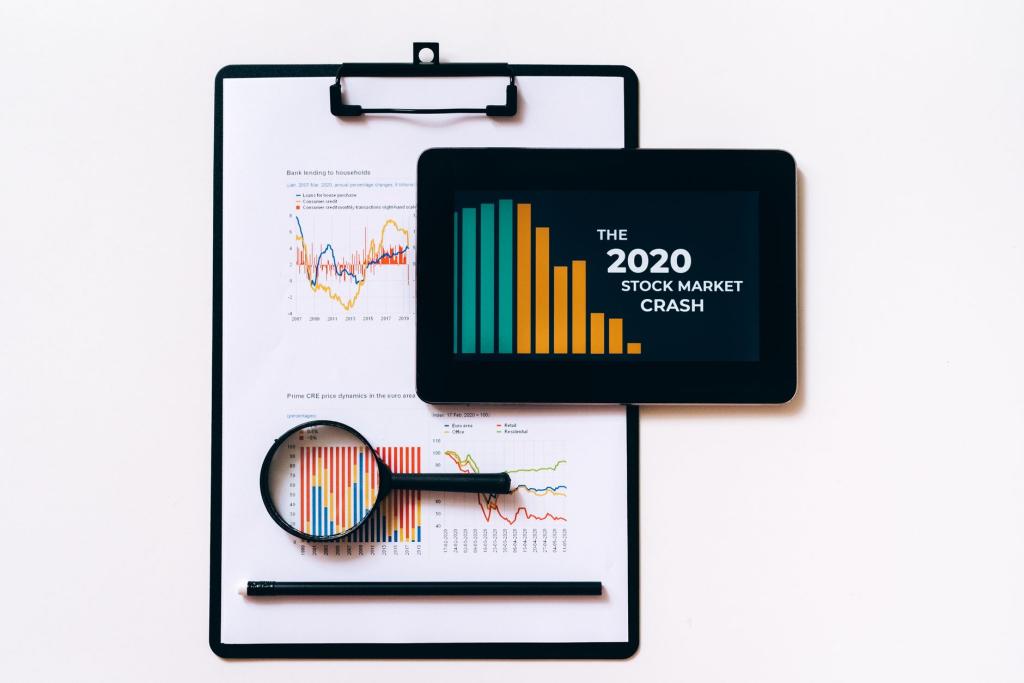
The Kospi crash on Tuesday turned South Korea's stock market into the loudest warning light in the global AI trade. The benchmark index closed down about five and a half percent, after sinking more than seven percent at one point, as Samsung Electronics and SK Hynix got hammered. If you have been wondering whether the chip boom was getting a little too hot, this was the day the market started asking the same question out loud.
What actually happened in Seoul
According to The Korea Times, the Kospi closed at six thousand and thirty-five, down five point four six percent, and slipped below the six thousand mark during the session before recovering a bit. SK Hynix sank just over ten percent and Samsung Electronics dropped about seven and a half percent. Those two companies together make up close to half of the whole index, so when they stumble, everything wobbles.
The Associated Press reported that the index touched its lowest level since late July. That is a long way down from June, when the Kospi crossed nine thousand for the first time, powered by the global AI frenzy. In other words, a big chunk of this year's rocket ride has been handed back in a matter of weeks, and the last five sessions have been brutal.
Why chip stocks got hit
Analysts pointed to several triggers at once. One was fresh worry that spending on AI infrastructure has run ahead of reality. Another was news that China's ChangXin Memory Technologies, usually shortened to CXMT, is moving forward with new memory products, which raises the prospect of tougher competition for Korean giants that have enjoyed fat margins on AI memory.
The Korea Times also noted that a Financial Times report put OpenAI's annualized revenue at roughly fifty billion dollars, about thirty percent below an earlier figure of seventy billion dollars. For a market that has priced in endless AI growth, even a hint that the biggest customers are earning less than expected can make investors reach for the sell button.
The buyback cushion is gone
Here is the part that explains why this drop felt so sharp. Foreign investors sold a net thirty-one point seven trillion won of Korean shares across August and September, yet the Kospi still rose, because Samsung and SK Hynix were buying back their own stock. Analyst Lee Kyoung-min of Daishin Securities told The Korea Times that those buybacks soaked up an average of one point six one trillion won of selling pressure every day.
That safety net is basically gone. Samsung's program has ended and SK Hynix's is due to wrap up this week. On Tuesday, foreigners dumped a net four point five one trillion won, about three point three six billion dollars, and there was nobody left to catch the falling shares. A sell-side sidecar, a pause on program selling, was triggered in the morning for the twenty-sixth time this year.
Is it cheap now or just scary?
This is where it gets interesting. The Korea Times reports the Kospi's twelve-month forward price-to-earnings ratio fell to a record low closing level of four point five four, below the previous low set on July thirtieth. Lee argued that current valuations imply the market is already pricing in a decline in earnings of thirty-five to fifty-one percent compared with current forecasts. That is a very pessimistic bet.
Cheap does not always mean safe, though. Foreign investors have been heading for the exits for months, and the won weakened to roughly thirteen hundred and forty-five per dollar. If you are a younger investor who has been piling into AI and chip names because everyone on your feed is doing it, this is a reminder that valuations can fall just as fast as they rose.
Ripple effects beyond Korea
The selloff did not stay in Seoul. According to BeInCrypto, more than eight hundred billion dollars was erased from Asian equities as the rout spread across the region, with Japan's Nikkei and Taiwan's market also sliding. Japanese tech investor SoftBank, which has big exposure to the AI industry, fell sharply too, and US chip shares were already weak overnight.
Crypto felt it as well. BeInCrypto's data from CoinGlass showed more than eight hundred million dollars in liquidations over twenty-four hours, mostly from traders betting on prices to rise. Even so, bitcoin bounced back toward the eighty-four thousand dollar level, which suggests crypto held up better than stocks this time. Anyone curious about where digital assets go next can browse the crypto coverage.
What to watch next
The Kospi crash is not over until the numbers say so. The next test arrives quickly. Fresh US inflation numbers are due this week, and corporate earnings from major technology firms will show whether AI spending is still climbing. If prices cool and the chip names stabilize, Tuesday could end up looking like a shakeout. If not, this Kospi crash may just be the opening act for a rougher stretch in global markets.
For now, the lesson is simple. A market can be a hero one month and a headache the next, and the companies that powered the AI boom are now being judged on proof, not promises. Keep an eye on Seoul, because it has become the early warning system for the whole trade.
Comments 0
No comments yet. Be the first to share your thoughts!
Leave a comment
Share your thoughts. Your email will not be published.