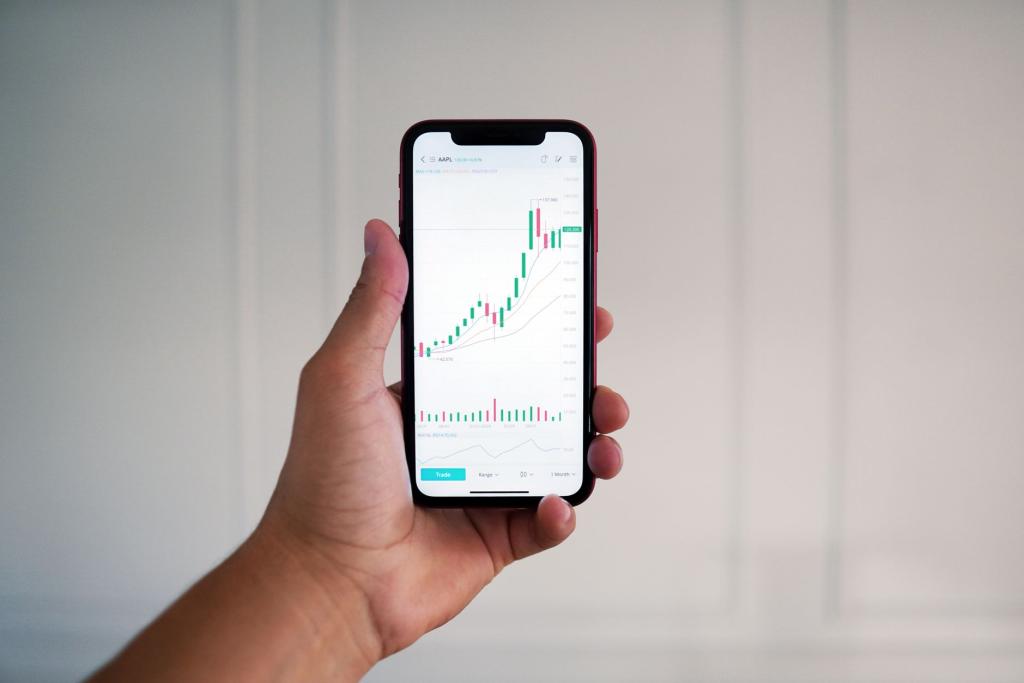
South Korean retail investors lost about $250 million to stock tip scams in the first half of 2026, according to police data seen by Reuters. The numbers show how quickly fraud follows a market rally: scammers who used to focus on crypto and property moved into equities as the country's stock market surged.
Police investigated 3,506 stock tip chatroom cases between January and June, involving 336 billion won, or about $246.57 million. The case count rose 4.1 percent from the same period last year, but the money involved jumped 19.8 percent, a sign that each scam is pulling in larger sums than before.
The backdrop was a dramatic swing. South Korea's KOSPI was the world's best-performing stock benchmark in the first half of the year, then fell as much as 44 percent from its June 19 peak. Lawyers who work with fraud victims say that kind of whiplash is exactly what scammers look for.
How the chatroom scams work
The playbook starts in public and moves private. Scammers leave comments under videos posted by well-known brokerage analysts or financial influencers, hoping to catch the attention of those personalities' followers. From there, victims are steered into private chatrooms.
Inside, the pitch takes two forms. Some groups charge subscription fees, from thousands to hundreds of thousands of dollars, for supposedly exclusive stock recommendations. Others persuade members to transfer money directly so the organizers can invest it for them. Either way the hook is the same: the KOSPI rally, which scammers cite as proof that big gains are there for the taking, according to one lawyer quoted by Reuters.
In June, Seoul police announced the arrests of 10 people tied to a scam run from Cambodia. The ring allegedly impersonated securities firm staff and pushed victims to buy AI-recommended stocks through fake trading apps, defrauding 59 South Koreans of about 9.9 billion won over two years through February. Police said the ringleader was a foreign national and the call-center workers were Korean. The case has been sent to prosecutors and is awaiting a court date.
"Volatility creates favorable conditions for criminal organisations," Kim In-ho, an investigator at Jeongbyeok Law Firm who helps fraud victims, told Reuters.
One victim's story
Jay, a 47-year-old logistics worker, lost tens of millions of won after finding his way into one of the chatrooms in February. He asked to be identified only by his English name because his family does not know about the money he lost.
He joined a group chat on Naver, the Korean online platform, after watching a TikTok video he believed had been posted by the director of a well-known securities firm. At first the chat offered only market commentary. Then members began describing large returns from six- and seven-figure investments made through the firm's staff, and Jay borrowed money to invest.
Later the group began promoting what it called a rare opportunity: a construction company positioned to benefit from post-war reconstruction in Iran. Jay wired more money after being told his investment could rise 600 percent. The group went silent and shut down in April.
Jay has filed a criminal complaint with police and a civil complaint against the holder of the bank account that received his transfers. He has taken two side jobs to pay off the debts. His advice to new investors, as reported by Reuters: doubt every tip.
What to watch for
The wave of stock tip scams holds a lesson for young investors. Fraud lawyers told Reuters that in recent years Korean scammers focused on crypto and property, but the playbook changed during this year's stock rally to prey on equity investors, and inexperienced retail investors were the most vulnerable.
Lee Tae-kyung, a lawyer at Wanbong Law Firm, described the dynamic this way: "When market volatility rises, so does uncertainty and that's when retail investors' psychology gets shakier. These groups exploit that, telling people to trust them."
The authorities and platforms are responding at different speeds. South Korea's Financial Supervisory Service said it does not track illegal stock-tipping chatroom cases, calling that law enforcement's job, and did not answer questions about whether new investor protections are planned. Naver said it removes the chatrooms when it receives reports and is strengthening its monitoring, while Jeonbuk Bank, which hosted the account in Jay's case, said it was aware of ongoing fraud and would keep improving its scam detection.
The lesson travels well beyond Korea. Anywhere a market moves fast, comment sections and private chats fill with people selling certainty. The first-half numbers suggest the cost of believing them is rising.
Comments 0
No comments yet. Be the first to share your thoughts!
Leave a comment
Share your thoughts. Your email will not be published.