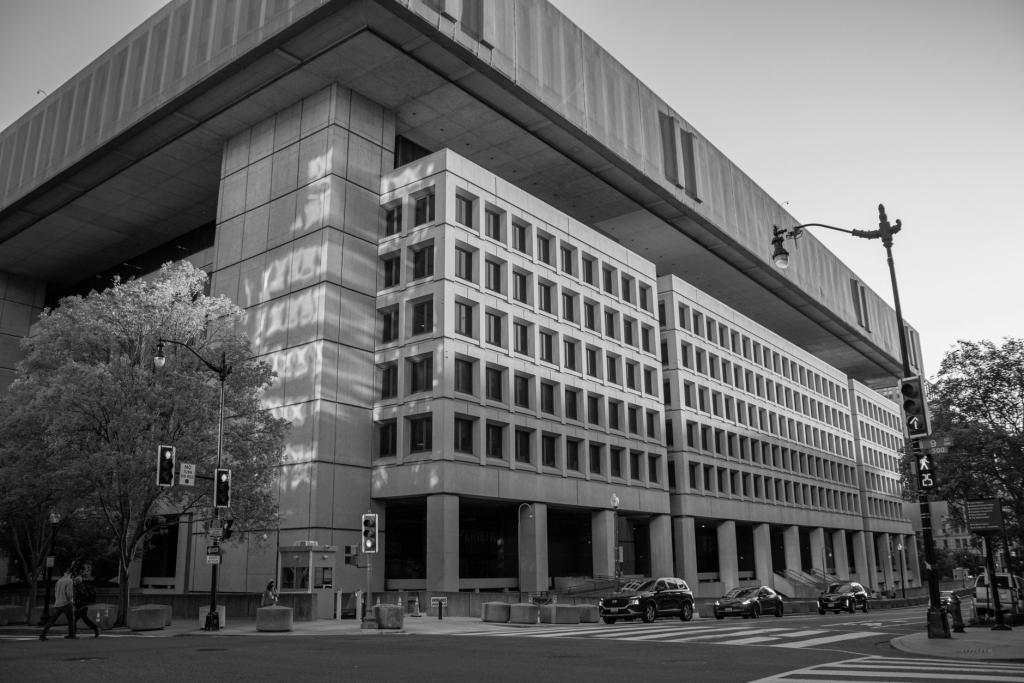
The Fed rate hike arrived on September 16, 2026, when the Federal Reserve raised its benchmark interest rate for the first time in three years. The Federal Open Market Committee voted 12-0 to lift the federal funds target range by a quarter point to 3.75% to 4%, saying the move would help bring stubbornly high inflation back toward its 2% target.
The last rate hike came in 2023. That means most Gen Z investors have only ever bought and sold in a market where the Fed was holding rates steady or cutting them. The central bank cut rates three times in 2025 and held them unchanged as recently as July. Now the direction has flipped, and the fallout touches credit cards, savings accounts, car loans, and stock portfolios all at once.
Why the Fed moved now
Inflation is still running well above the Fed's 2% target, with oil prices above $100 a barrel. Fed Chair Kevin Warsh said the plain fact is that inflation is too high and has been for too long, and that the committee's unanimous vote showed its resolve to return to price stability sooner, according to USA Today.
The central bank cannot control everything pushing prices up. Warsh's Fed has limited sway over tariffs, the Iran war, and the AI buildout that is adding costs across the economy.
The hike also arrived in the middle of a political fight. President Donald Trump had spent months pressing the Fed to cut rates, saying days earlier that the United States should have "the lowest interest rates in the world." After the decision, Trump wrote on Truth Social that rates should be 1% or less and demanded the Fed lower them quickly. He was gentler toward Warsh himself, calling him a good man saddled with a hostile board, while Warsh declined to answer questions about the president at his news conference.
This may not be the last increase. The Fed's dot plot showed two committee members expect rates to hold steady through the end of 2026, twelve see room for one more quarter-point hike, and four see room for two more. The committee also dropped the rate cut it had penciled in for 2027, signaling that rates could stay elevated longer than borrowers hoped. Two more meetings remain this year, on October 27-28 and December 8-9.
What higher rates mean for your money
Borrowing gets more expensive. Higher benchmark rates tend to push up interest on credit cards, personal loans, auto loans, and variable-rate mortgages. If you carry a credit card balance, the cost of doing so will likely rise. Fixed-rate loans do not change, but refinancing or borrowing fresh money will cost more.
Saving gets more rewarding. Higher rates usually lift the yields on high-yield savings accounts and certificates of deposit. Banks do not all raise their rates at the same pace, so Navy Federal Credit Union deposit products official CJ Pointkowski told USA Today that savers do best when they review their accounts regularly and switch when they find a competitive rate. For young savers, that turns an emergency fund into a small income stream: parked cash earns more while rates are up.
Stocks get wobblier. On September 16, the Dow Jones shed more than 600 points, about 1.2%, the S&P 500 lost 0.4%, and the Nasdaq closed essentially flat. Higher borrowing costs squeeze company profits, and plump cash yields give investors a reason to step back from risk. Siebert Financial chief investment officer Mark Malek told USA Today that stocks now face real competition from risk-free assets, since savers can earn roughly 5% without touching equities.
History, though, is calming. LPL Financial chief equity strategist Jeff Buchbinder told USA Today that stocks have historically bounced back within a few months of the start of a rate-hike cycle, and that hikes do not typically derail bull markets. When economic growth holds up and recession risk stays contained, equities have kept climbing even as rates rose.
The practical playbook for young investors
A Fed rate hike is a reason to adjust, not a reason to stop. The basics that already work for young investors matter more now: keep costs low, contribute steadily, and avoid big moves based on one day's headlines.
First, check your savings rate. If your emergency fund earns well below what the best high-yield accounts pay, move it. Higher rates reward savers directly, and a solid cash cushion matters more when borrowing gets pricier.
Second, respect your debt. Credit card balances and buy-now-pay-later plans grow faster when rates climb. Paying down high-interest debt is effectively a guaranteed return equal to the interest you no longer owe.
Third, keep investing on schedule. Putting the same amount into index funds each month works the same in a hiking cycle as in a cutting one. Time is the biggest asset a young investor holds, and past tightening cycles suggest that staying invested has paid off.
The Fed sets U.S. policy, not the world's, but young Canadian investors can watch for the same trade-offs at home: pricier credit, fatter savings yields, and choppier stocks. For more on how the market's biggest players are positioning, see our earlier look at the Berkshire leadership transition after Warren Buffett.
Comments 0
No comments yet. Be the first to share your thoughts!
Leave a comment
Share your thoughts. Your email will not be published.