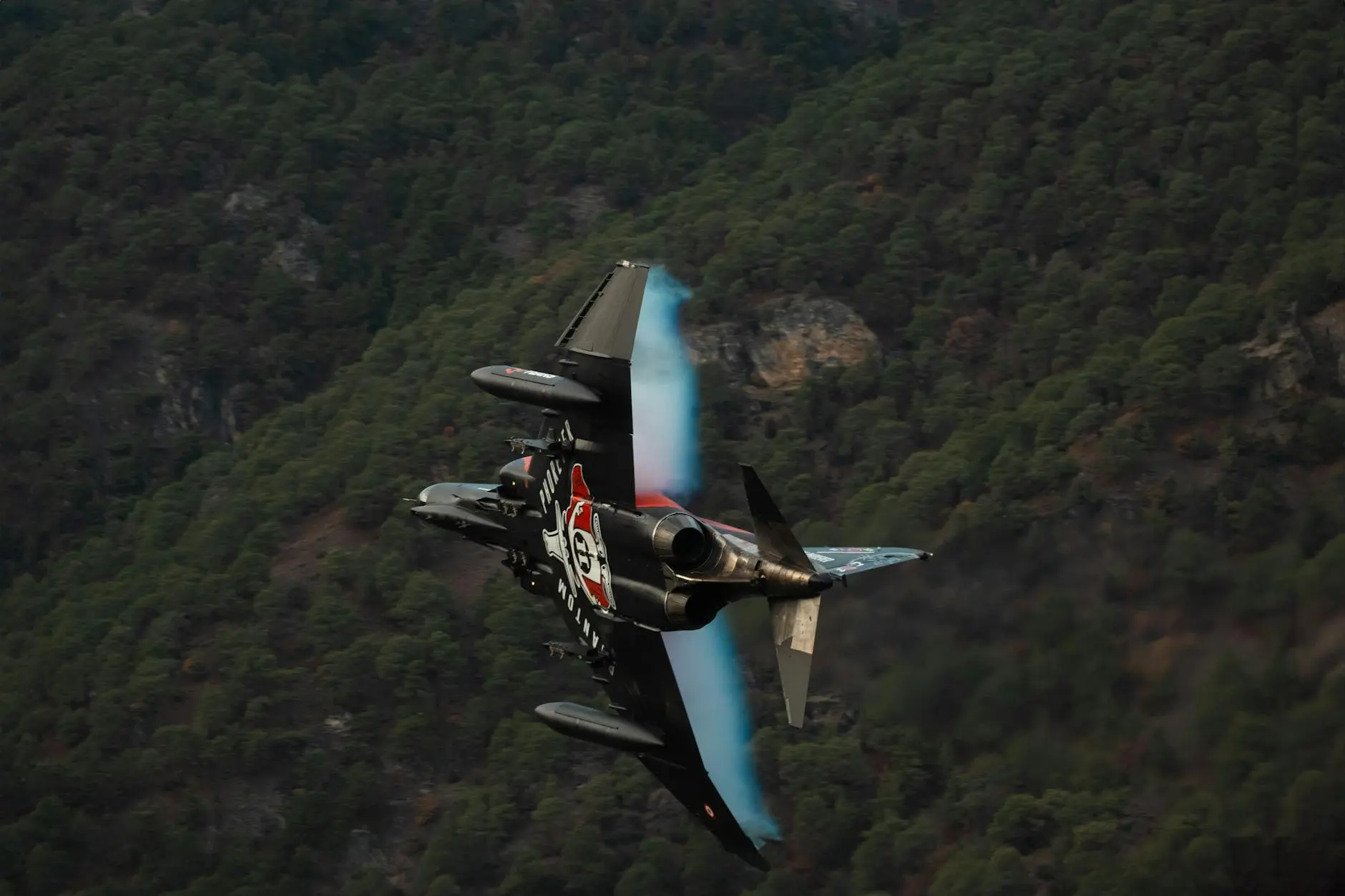
KC-135 Iraq Crash Overview
A KC-135 Iraq crash has claimed a US Air Force Stratotanker refueling aircraft in western Iraq, marking a significant setback for American forces engaged in Operation Epic Fury against Iran. According to US Central Command, the incident occurred on Thursday in friendly airspace and was not the result of hostile or friendly fire.
The downed aircraft represents the fourth manned US aircraft lost since military operations began on February 28, 2026. Rescue efforts are currently underway, though the status of the KC-135 crew remains unknown at this time. The incident raises serious questions about operational safety during the ongoing conflict.
What Happened in the KC-135 Iraq Crash
According to a statement from US Central Command, two aircraft were involved in an incident that resulted in the KC-135 refueling tanker going down over western Iraq. The other aircraft involved landed safely. Rescue efforts are currently underway, though the status of the KC-135 crew remains unknown at this time.
The KC-135 Stratotanker has served as the backbone of American aerial refueling operations for over 60 years, providing critical support to US Navy, Marine Corps, and allied aircraft during extended combat missions. These flying gas stations enable fighter jets and bombers to remain airborne longer and strike targets deep inside enemy territory. The aircraft has been essential to US military operations worldwide since its introduction in the 1950s.
CENTCOM issued a brief statement confirming the KC-135 Iraq crash but has not released additional details about the cause. According to The Guardian, the incident represents the latest challenge facing US forces in the region. Military investigators will examine all possible factors including mechanical failure, pilot error, or environmental conditions.
Fourth Aircraft Lost in Iran Operation This Month
This KC-135 Iraq crash represents the fourth manned US aircraft lost since the US and Israel began military operations against Iran on February 28, 2026. Earlier this month, three F-15E Strike Eagle fighter jets were shot down in a friendly fire incident involving a Kuwaiti F/A-18 on March 1. All six crew members from that incident survived after safely ejecting.
The frequency of aircraft losses has raised concerns about operational safety and the intensity of the ongoing conflict. According to Defense News, numerous KC-135s are currently deployed to the US Central Command area of operations, where crews have provided aerial refueling for other aircraft as part of Operation Epic Fury.
Rising Human and Financial Costs
The war against Iran is taking a significant toll on American forces. According to the Pentagon, seven US service members have been killed in action and approximately 140 have been wounded—including eight severely—in just the first ten days of Operation Epic Fury. The financial cost has also escalated dramatically, with lawmakers being told the war has already topped $11.3 billion.
These casualties come as the conflict enters its second week, with no clear end in sight. The human cost extends beyond the military, as regional civilian populations face displacement and infrastructure damage from ongoing strikes. International observers continue to monitor the situation closely.
Understanding Operation Epic Fury
Operation Epic Fury represents the US-Israeli joint military offensive against Iran that began on February 28, 2026. The operation has involved extensive air strikes targeting Iranian military installations, nuclear facilities, and strategic infrastructure. The US has surged a large number of aircraft into the Middle East to support these operations, including at least 20 KC-135 tankers that were forward-deployed to the region by late February according to the Center for Strategic and International Studies.
The operation marks one of the most significant military engagements in the region in recent years. According to Al Jazeera, the war has been divisive even among supporters of the administration, who have questioned the long-term strategy and exit plan.
Rescue Efforts and What's Next
Rescue teams are currently working to reach the crash site and secure any survivors from the KC-135 Iraq crash. These recovery missions can be extremely dangerous, as US forces must race to secure the area before hostile forces can reach the downed aircraft and crew. The cause of the crash remains under investigation, with CENTCOM emphasizing that neither enemy action nor friendly fire was involved.
The KC-135 Iraq crash highlights the inherent risks of military operations even in non-combat situations. It raises questions about equipment reliability and operational safety as the conflict continues. The incident also underscores the critical role that refueling tankers play in modern aerial warfare, making their loss particularly significant for ongoing operations.
Military analysts note that the loss of a KC-135 could impact the operational tempo of strikes against Iran, as these aircraft are essential for extending the range of fighter jets and bombers. The full implications of this KC-135 Iraq crash will become clearer as more information emerges about the crew's status and the investigation's findings.
Comments 0
No comments yet. Be the first to share your thoughts!
Leave a comment
Share your thoughts. Your email will not be published.