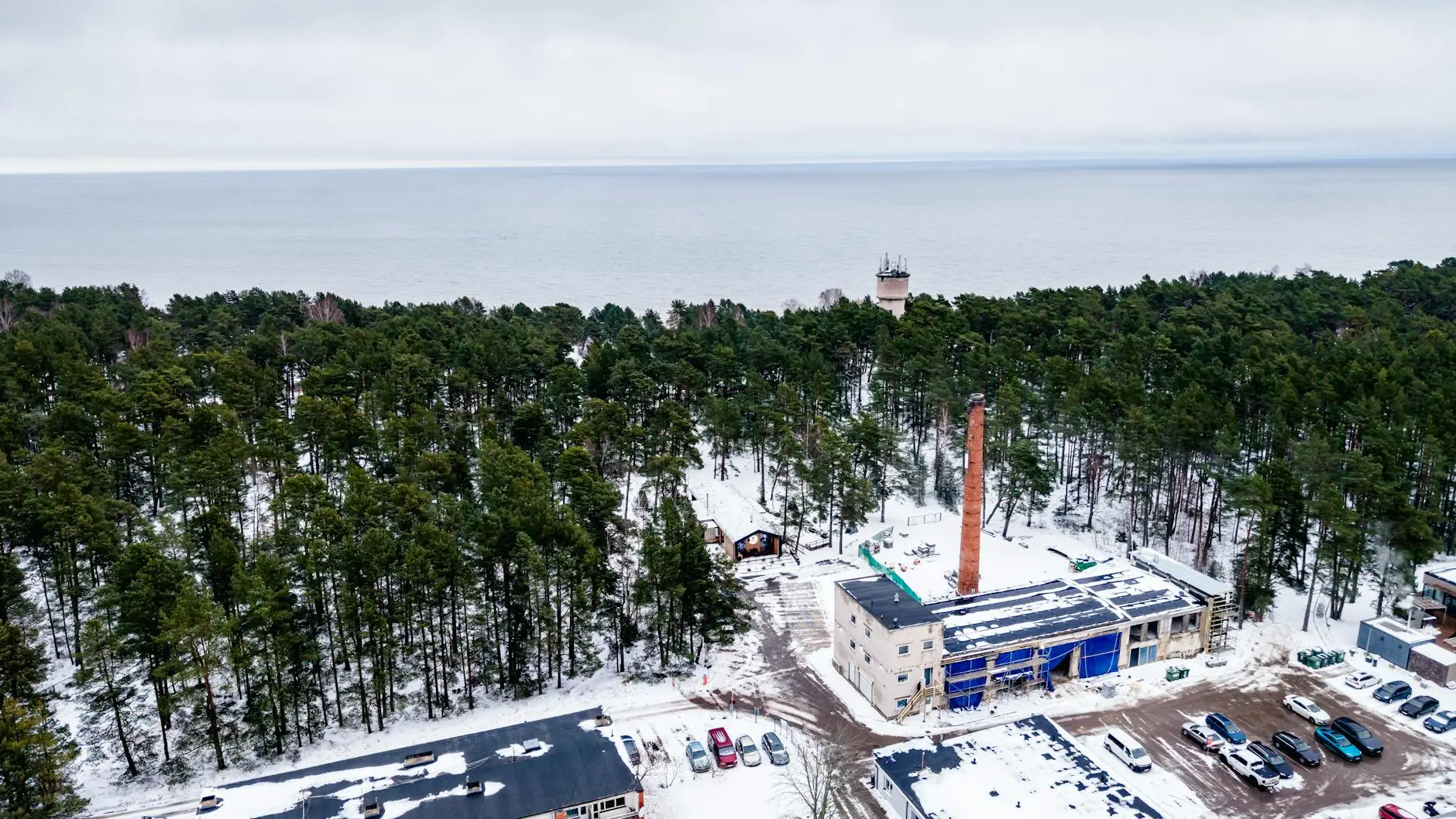
In a move that's making headlines across Europe, ten Northern European countries have just signed an unprecedented joint evacuation plan in case of war or a major crisis. The deal, announced by the Swedish Ministry of Defense, brings together some of the region's biggest players — Sweden, Denmark, Estonia, Finland, Iceland, Latvia, Lithuania, Norway, Poland, and Germany — to coordinate how they would protect civilians if things go sideways. This joint evacuation plan represents one of the most significant cross-border defense agreements in recent European history.[1]
What's Actually Happening?
According to reports from the Swedish government, these ten nations have agreed to develop detailed cross-border evacuation plans that would allow civilians to be temporarily moved across state borders during emergencies. The primary focus is on the Baltic Sea region and Scandinavia, areas that have become increasingly strategic amid rising geopolitical tensions. This joint evacuation plan isn't just theoretical paperwork — it's designed to be operationally ready when needed.[1]
Think of it as a worst-case-scenario playbook that these countries hope they'll never need to use, but are definitely preparing for just in case. The document outlines specific protocols for moving people quickly and safely across international boundaries, something that sounds almost dystopian but reflects the new reality of European security thinking in 2026. Related: War News and Politics
Why Now?
The timing is pretty telling. Security concerns in Europe have ramped up significantly over the past few years, largely driven by Russia's invasion of Ukraine and the overall instability in the region. The Baltic states — Estonia, Latvia, and Lithuania — share a border with Russia and have been particularly vocal about needing stronger defense coordination. This joint evacuation plan essentially formalizes what many have been calling for.
Germany, which has become one of Ukraine's biggest military supporters, has also been pushing for stronger European defense ties. Meanwhile, Nordic countries like Sweden and Finland have abandoned their traditional neutrality stance, with Finland joining NATO in 2023 and Sweden following shortly after. These shifts represent massive changes in decades-old foreign policy positions that were once considered untouchable. The joint evacuation plan demonstrates how quickly European security dynamics are evolving.
When (and if) a crisis hits, having pre-planned routes, agreements on border crossings, and shared resources could literally save thousands of lives. It's the kind of planning that seems excessive until you actually need it — and then you realize it wasn't excessive at all. This joint evacuation plan is part of that broader preparation strategy.
What Would an Evacuation Actually Look Like?
While the specific details are still being worked out, the general idea is straightforward. If a major conflict or crisis were to erupt in the Baltic region, civilians from countries like Estonia or Latvia could be relocated to safer neighboring countries — potentially as far south as Germany or as far west as Scandinavia. The logistics involved are genuinely massive, requiring coordination across multiple governments, transportation networks, and humanitarian organizations.
This kind of cross-border coordination isn't new to Europe. The EU has existing mechanisms for managing migration and humanitarian crises. But having dedicated evacuation plans specifically for war scenarios is a different ballgame. It requires agreement on everything from transportation logistics to housing capacity to medical support. Every minute counts in an emergency, and this joint evacuation plan means authorities can act immediately rather than negotiating in real-time.
The Bigger Picture
This announcement comes amid a broader surge in European defense spending and cooperation. Countries are rearming at a pace not seen since the Cold War. NATO has strengthened its eastern flank with additional troops and equipment, and the EU is working on becoming more strategically autonomous in defense manufacturing and military coordination. This joint evacuation plan is just one piece of that larger puzzle.
For Gen Z readers watching from the sidelines, this might feel like something out of a history textbook. But these developments are happening now, in real time, and could shape the security landscape for decades to come. The question isn't really whether these plans will be needed — it's about being prepared just in case. Nobody wants these scenarios to play out, but responsible governments have to plan for them regardless.
The good news? Having these plans in place actually reduces the likelihood of worst-case scenarios playing out. As the old saying goes, peace through strength isn't just a slogan — it's practical diplomacy. When countries demonstrate they're prepared to defend themselves and their citizens, it sends a message that aggression comes with real consequences. Check out more: World News
This joint evacuation plan is part of a larger trend we're seeing across Europe: countries putting aside historical differences and working together on shared security challenges. Whether it's coordinated defense spending, shared intelligence, or evacuation logistics, the message is clear — when it comes to protecting civilians, these ten nations are in this together. And for anyone living in the Baltic region, that's actually pretty reassuring to know.
Sources: Global Banking & Finance Review
Comments 0
No comments yet. Be the first to share your thoughts!
Leave a comment
Share your thoughts. Your email will not be published.