How We Got Here
The Iran war 2026 kicked off on February 28, when the US and Israel launched coordinated airstrikes on Iranian military targets. The opening salvo — codenamed Operation Epic Fury by the US and Operation Roaring Lion by Israel — killed Iran's Supreme Leader Ali Khamenei and dozens of top officials, according to reports from Reuters and the BBC. Within hours, Iran fired back with missiles and drones at US bases, Israeli cities, and US-aligned Gulf states including Saudi Arabia, UAE, Bahrain, and Kuwait.
This didn't come out of nowhere. Tensions had been building for years: the US pulling out of the JCPOA nuclear deal in 2018, the 'maximum pressure' sanctions, the 2024-25 Gaza war, the Twelve-Day War in June 2025, and Iran's nuclear program becoming a central flashpoint. By early 2026, the US had amassed its biggest military force in the Middle East since the 2003 Iraq invasion. For more background on what sparked the Iran war 2026, check Wikipedia's coverage.
The War in Numbers
As of late July 2026, the Iran war 2026 has been running for nearly five months. According to the UN's OCHA, over 3,400 civilians have been killed and 33,000+ injured across multiple countries. Iran has suffered the heaviest losses — over 3,500 people killed and 26,500 wounded by Iranian government counts. US casualties stand at 19 soldiers killed and 482 wounded, while Israel reports 38 soldiers and 31 civilians killed with over 7,800 total injuries.
More than 150 Iranian naval vessels have been destroyed or damaged, and the US has struck over 11,000 military targets inside Iran. The war has already cost the US an estimated $113 billion as of June 2026, according to reports cited by Wikipedia's coverage of the Iran–United States conflict.
The Strait of Hormuz Crisis
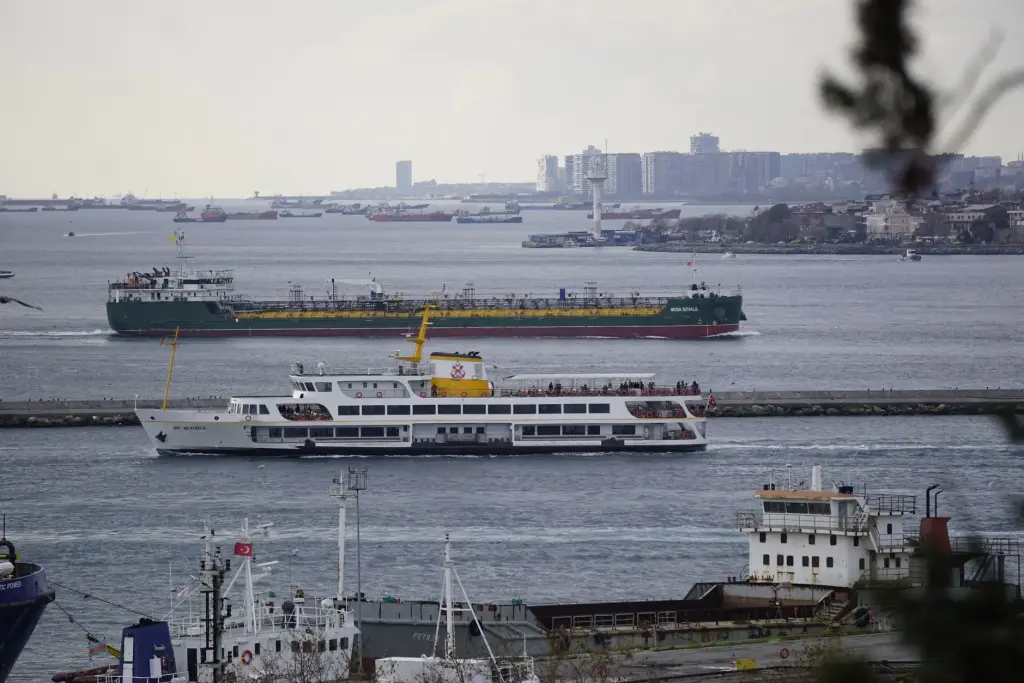
This might be the biggest global impact of the Iran war 2026. Iran effectively shut down the Strait of Hormuz — the narrow waterway that about 20% of the world's oil passes through — in late March 2026. At one point 150 freight ships including oil tankers were stalled. The result? Oil prices spiked hard, gas prices went up everywhere, and the global economy felt the shockwaves.
Trump threatened to strike Iranian power plants and desalination facilities if Iran didn't reopen the strait. Iran responded by threatening to hit energy and water infrastructure across the entire region. A ceasefire was briefly signed in June — the Islamabad Memorandum — but it collapsed by early July when both sides resumed attacks, as reported by CNN.
Who's Fighting Who
On one side: the US, Israel, Saudi Arabia, UAE, Bahrain, and Kuwait. On the other: Iran, Hezbollah, the Houthis in Yemen, Iraqi Popular Mobilization Forces, and Hamas. The UK has been providing support from Cyprus bases, and NATO intercepted Iranian missiles that entered Turkish airspace. France lost a soldier in a drone strike in Iraqi Kurdistan.
Ground fighting has been mostly in southern Lebanon, where Israel launched a ground invasion in March to push back Hezbollah. Iran itself hasn't seen foreign boots on the ground at scale — the war has been fought mostly through airstrikes, missiles, drones, and cyberattacks.
What This Means for Gen Z
This war is happening at a time when many young people are already dealing with high living costs, an unstable job market, and climate anxiety. The oil price spike affects everything from your Uber fare to the price of groceries. The US spent $113 billion on this war in just four months — money that could have gone toward student debt relief, healthcare, or climate action.
Iranian Gen Z are living through the Iran war 2026 directly: schools and hospitals bombed, internet blackouts that dropped connectivity to 1% of normal levels, and the psychological toll of five months of nonstop conflict. According to reports cited by Amnesty International, Iranian authorities recruited children as young as 11 as soldiers — a practice the organization called a war crime.
Is There an End in Sight?
Not really. The Islamabad Talks in April failed. A June ceasefire deal broke down in July. The UN Security Council passed Resolution 2817 but it hasn't stopped the fighting. As of late July 2026, both sides are still trading strikes and there's no clear off-ramp. The US is reportedly spending $1.5 trillion on defense in the next fiscal year alone. This war, according to multiple analysts cited by the BBC and Reuters, could stretch into 2027.
Comments 0
No comments yet. Be the first to share your thoughts!
Leave a comment
Share your thoughts. Your email will not be published.