Ukraine Bombs Iranian Ship in the Caspian Sea
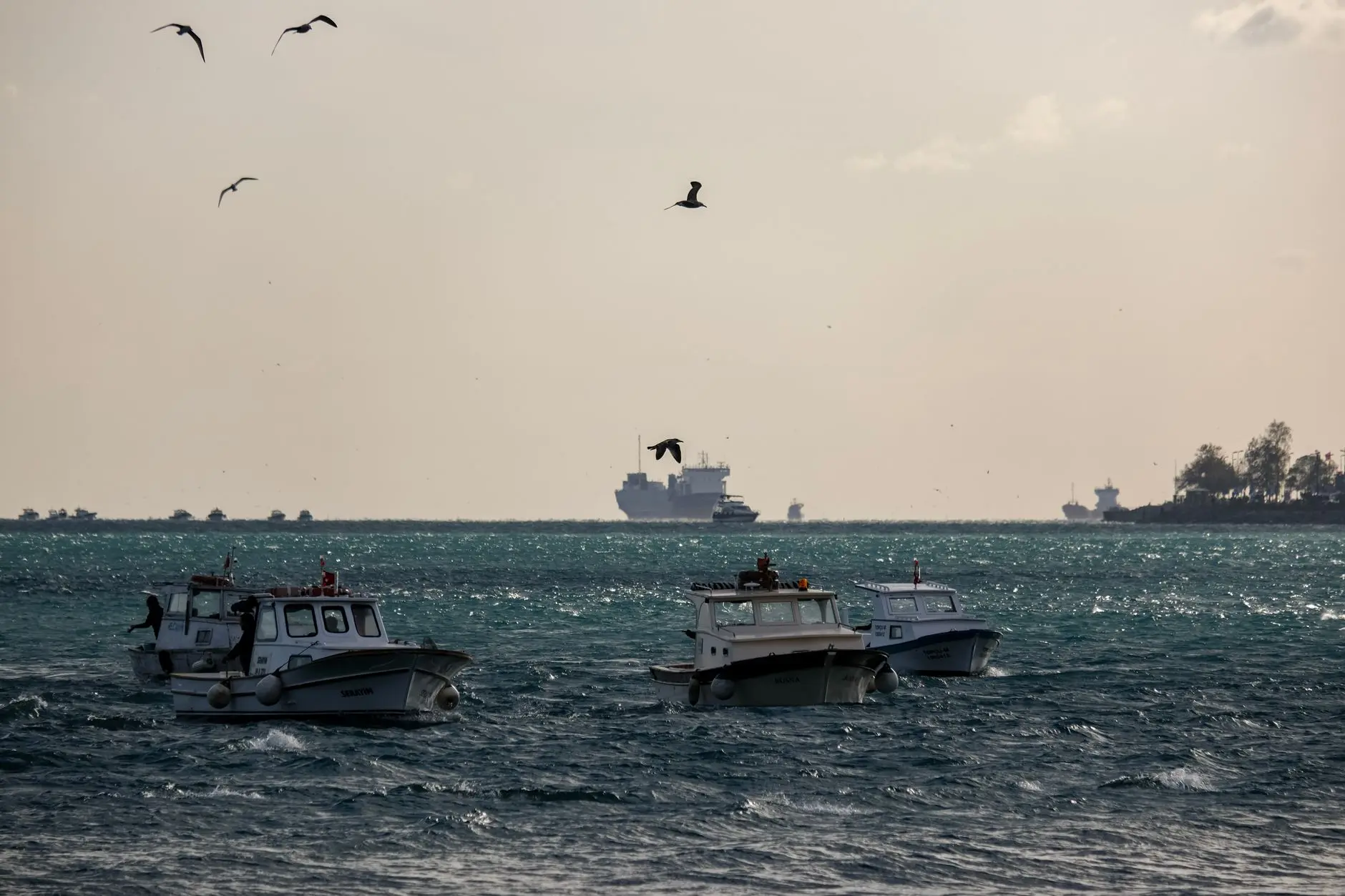
The most recent escalation in the Iran conflict came on July 26, when Ukraine bombed an Iranian vessel operating in the Caspian Sea. According to Reuters reporting, Kyiv described the strike as targeting Russian ships carrying Iranian-linked military cargo. Iran responded by summoning Ukraine's diplomatic representatives in Tehran and lodging a formal protest. What makes this incident so dangerous is that it extends a multi-front conflict into the Caspian, a waterway that has remained largely free of direct military confrontation throughout the Ukraine war. Naval analysts have warned that neither Iran nor Ukraine possesses the naval capacity to control the Caspian, raising the risk of miscalculation and unintended escalation between two already mobilized militaries. This Iran crisis continues to expand in scope and complexity with each passing week. For broader context on conflicts shaping our world, see our War topic page.
Strait of Hormuz Closure Sends Shockwaves Through Global Markets
On July 12, Iran's Islamic Revolutionary Guard Corps announced the closure of the Strait of Hormuz. As reported by BBC News, the IRGC stated that any vessel attempting to transit the strait without Iranian permission would be treated as a hostile target. The Strait of Hormuz is the single most important oil chokepoint in the world, handling approximately one-fifth of all petroleum consumed globally. Within days of the announcement, crude prices surged past 100 dollars per barrel and have continued climbing. Gasoline prices at pumps across the United States and Europe have risen by double-digit percentages, reviving inflation fears that many central bankers had hoped were behind them. For the Iran crisis, this represents the single most consequential economic development to date.
House Votes to Restrict Presidential War Powers
Inside the United States, the House of Representatives voted 218 to 212 to place new limits on President Trump's ability to conduct military operations against Iran without explicit congressional authorization. The measure passed with bipartisan support as a bloc of Republican lawmakers broke with the administration. The vote reflects mounting public unease with an open-ended military commitment in the Middle East, and sets up a Senate fight that will test whether Congress can reclaim war powers that many members believe the executive branch has steadily accumulated over multiple administrations. Oil prices above 100 dollars and rising casualty figures have intensified the political pressure surrounding the Iran crisis.
Air and Missile Campaigns Intensify Across the Region
At the core of the Iran conflict, American and Israeli warplanes have maintained a heavy campaign of airstrikes targeting Iranian military infrastructure, nuclear enrichment sites, and IRGC command and control facilities. According to Associated Press reporting, the pace of strikes has accelerated markedly through July, with both sides introducing new weapons systems into the fight. Iran has retaliated with barrages of ballistic missiles and attack drones directed at Israeli cities, overwhelming portions of the Iron Dome defense system and causing civilian casualties on both sides. What began as a shadow war of covert operations and proxy forces has become a direct, open confrontation with no obvious military solution.
Nuclear Diplomacy Collapses as Ceasefire Efforts Stall
Multiple diplomatic tracks aimed at de-escalation have failed in recent weeks. Negotiations over Iran's nuclear program, already strained before the current fighting, have completely broken down. The International Atomic Energy Agency has reported that Iran's enrichment activities have accelerated to levels approaching weapons-grade purity, though Iranian officials continue to deny any intent to develop nuclear weapons. Ceasefire proposals brokered by Qatar and Oman have been rejected by both sides, with each government insisting on preconditions that the other rejects. At the United Nations, the Security Council has convened several emergency sessions but has been unable to agree on any resolution due to veto threats from Russia and China. The Iran crisis has exposed the limits of multilateral diplomacy.
Humanitarian and Economic Costs Continue to Mount
The human toll of the current Iran crisis is severe and growing. Civilian casualties from airstrikes inside Iran number in the thousands according to humanitarian groups, while Iranian missile and drone attacks on Israeli population centers have killed dozens and disrupted daily life for millions. The global economic consequences are equally stark. Oil prices sustained above 100 dollars are driving inflation higher in energy-importing countries across Europe, South Asia, and Africa. Food costs are rising as shipping insurers impose steep premiums on vessels operating near the Persian Gulf. The International Monetary Fund has revised its global growth forecasts downward for the remainder of 2026, stating that a prolonged conflict could tip several economies into recession.
No Clear Path to De-Escalation as July Ends
As July 2026 draws to a close, none of the conditions that could produce a ceasefire appear to exist. The naval confrontation in the Caspian, the closure of the Strait of Hormuz, the intensifying air and missile campaigns, and the collapse of diplomatic channels create an escalatory dynamic that neither side has been able to interrupt. Political pressure in Washington may eventually constrain US military action, but no timeline for that constraint exists. The human and economic costs will continue to accumulate until something changes. What that change might be remains, at this moment, unknown.
Comments 0
No comments yet. Be the first to share your thoughts!
Leave a comment
Share your thoughts. Your email will not be published.