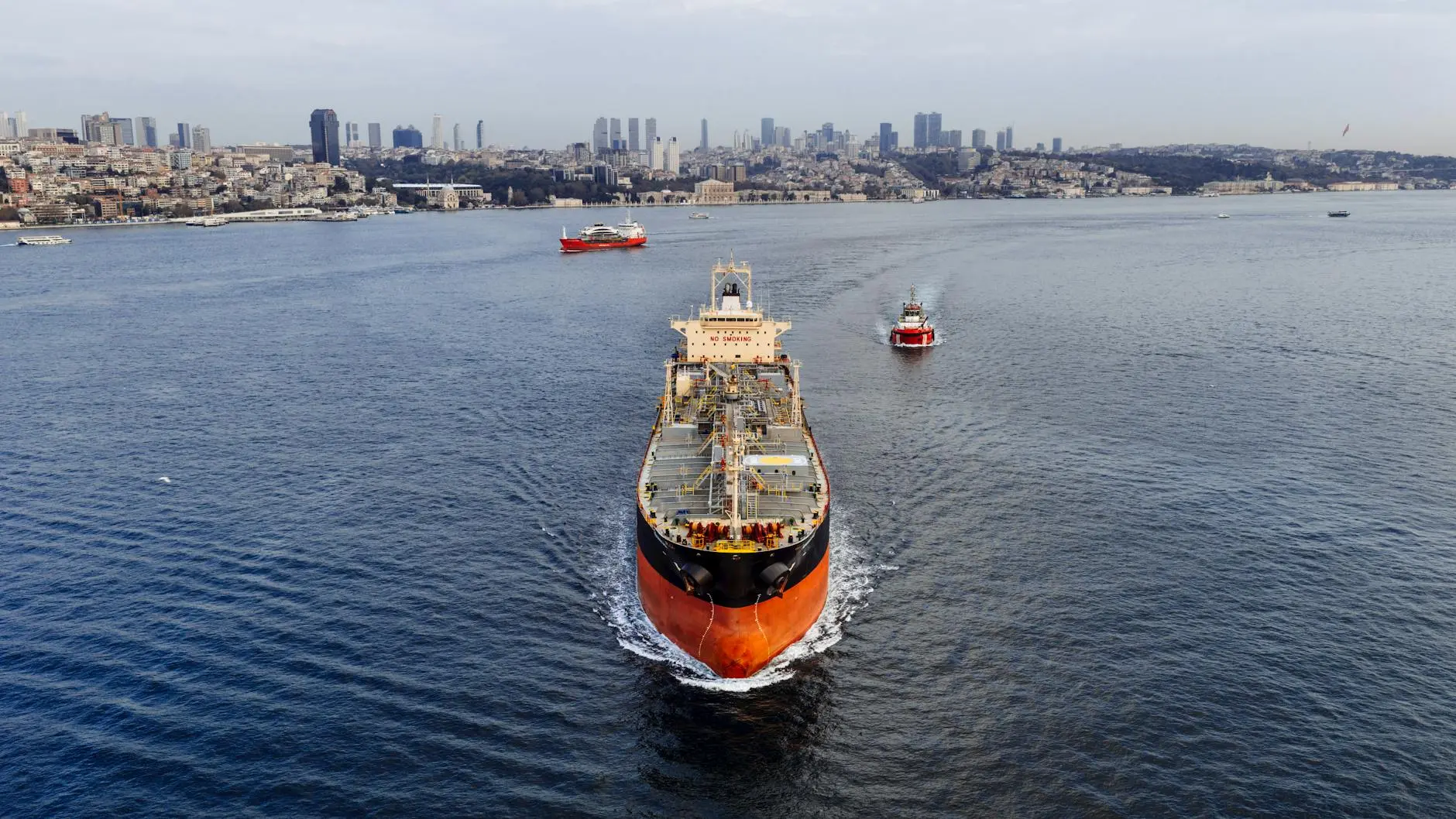
The Iran conflict has intensified dramatically, sending shockwaves through global markets and raising serious concerns about energy security worldwide. Iran's new Supreme Leader has declared that the Strait of Hormuz, one of the world's most critical oil shipping chokepoints, should remain closed indefinitely. This announcement comes as tensions between Iran and Western powers reach a boiling point following months of escalating military confrontations and rising diplomatic friction. The Iran conflict is no longer a regional issue—it has become a global economic crisis with immediate consequences for consumers everywhere.
The closure of the Strait of Hormuz isn't just another distant headline—it's a move that directly impacts everything from gas prices to the overall cost of living for young people around the world. According to Reuters, approximately 20% of the world's oil passes through this narrow waterway every single day. When that flow gets disrupted, the effects ripple across the entire global economy within hours. Oil prices have already surged past $80 per barrel, and U.S. stock markets have responded with significant sell-offs, with the Dow Jones dropping over 650 points in recent trading sessions.
Why the Iran Conflict Matters for Gen Z
The Iran conflict affects more than just energy markets. For a generation already dealing with inflation, housing affordability challenges, and student debt, this adds another layer of economic pressure that could make everyday life more expensive. Understanding the Iran conflict is essential for anyone who drives a car, buys groceries, or pays utility bills. The ripple effects extend far beyond the gas pump.
Young people are particularly vulnerable to these economic shocks. Entry-level wages haven't kept pace with inflation in many sectors, and now increased transportation costs threaten to drive prices even higher. The Iran conflict demonstrates how geopolitical events can directly impact personal finances in ways that many never anticipated.
Economic Fallout and Global Market Response
The International Energy Agency (IEA) has announced plans to release 400 million barrels of strategic oil reserves in an attempt to stabilize volatile markets. However, investors remain jittery as uncertainty about the duration of the Iran conflict continues to mount. Energy stocks have seen exceptionally volatile trading, with major oil companies experiencing both sharp gains and sudden losses as the situation unfolds hour by hour.
According to Investopedia, the Iran conflict has created one of the most unpredictable trading environments in recent years. Beyond energy markets, the crisis is affecting everything from airline ticket prices to the cost of goods at your local store. Transportation costs rise when fuel prices spike, and those increases eventually get passed directly on to consumers through higher prices for food, clothing, electronics, and other daily necessities.
The Iran conflict demonstrates how interconnected modern economies truly are. A disruption in one region can cause price increases across continents within days. Supply chains that were already strained from previous global events now face additional pressure from energy uncertainty.
Military Developments and Security Concerns
Military tensions surrounding the Iran conflict have escalated significantly in recent days. According to multiple news reports, the United States has conducted heavy strikes against Iranian missile production facilities in an effort to degrade military capabilities. President Trump has been briefed on potential Iran-backed "sleeper cells" operating within the United States, though he has publicly stated that he is not worried about immediate attacks on U.S. soil.
The White House has indicated that oil prices should stabilize once military objectives are achieved, but has not provided any specific timeline for when that resolution might occur. The Iran conflict has created a fog of uncertainty that markets hate but seem unable to escape. Meanwhile, defense officials are monitoring the situation closely, with additional military assets being positioned in the region as a deterrent against further escalation.
Broader Implications Beyond Economics
The Iran conflict has already begun affecting areas of life that might seem unrelated to geopolitics. Iran's sports minister announced that the country cannot participate in the upcoming World Cup, marking another dimension of how the crisis is disrupting normal international cooperation and cultural exchange. This shows how the Iran conflict reaches into sports, culture, education, and other areas of human activity that typically remain separate from politics.
Diplomatic channels remain strained, with both sides digging into entrenched positions. The new Iranian leadership appears committed to maintaining a hardline stance, which suggests the Strait of Hormuz could remain closed for an extended period. The Iran conflict represents a test of wills between nations with vastly different interests and worldviews.
What Happens Next
Market analysts are divided on how long the Iran conflict disruption might last. Some believe the situation could resolve relatively quickly if diplomatic channels open and negotiations begin in earnest. Others warn of a prolonged period of instability that could define the next several months or even years of global energy policy. The Iran conflict has introduced a new variable of unpredictability into an already fragile global economy.
For Gen Z watching these developments unfold, the key takeaway is understanding how interconnected our world truly is. A conflict thousands of miles away can affect everything from your commute costs to job opportunities in the global economy. The Iran conflict reminds us that in the 21st century, there are no truly isolated events—everything connects to everything else through trade, technology, and transportation networks.
Staying informed about the Iran conflict isn't just about being news-aware—it's about understanding the forces that shape your financial reality and your future. As the situation continues to evolve, staying educated about the Iran conflict and its impacts will help you make better decisions about everything from career planning to personal finance. Preparation and knowledge are essential tools in an uncertain global environment.
Comments 0
No comments yet. Be the first to share your thoughts!
Leave a comment
Share your thoughts. Your email will not be published.