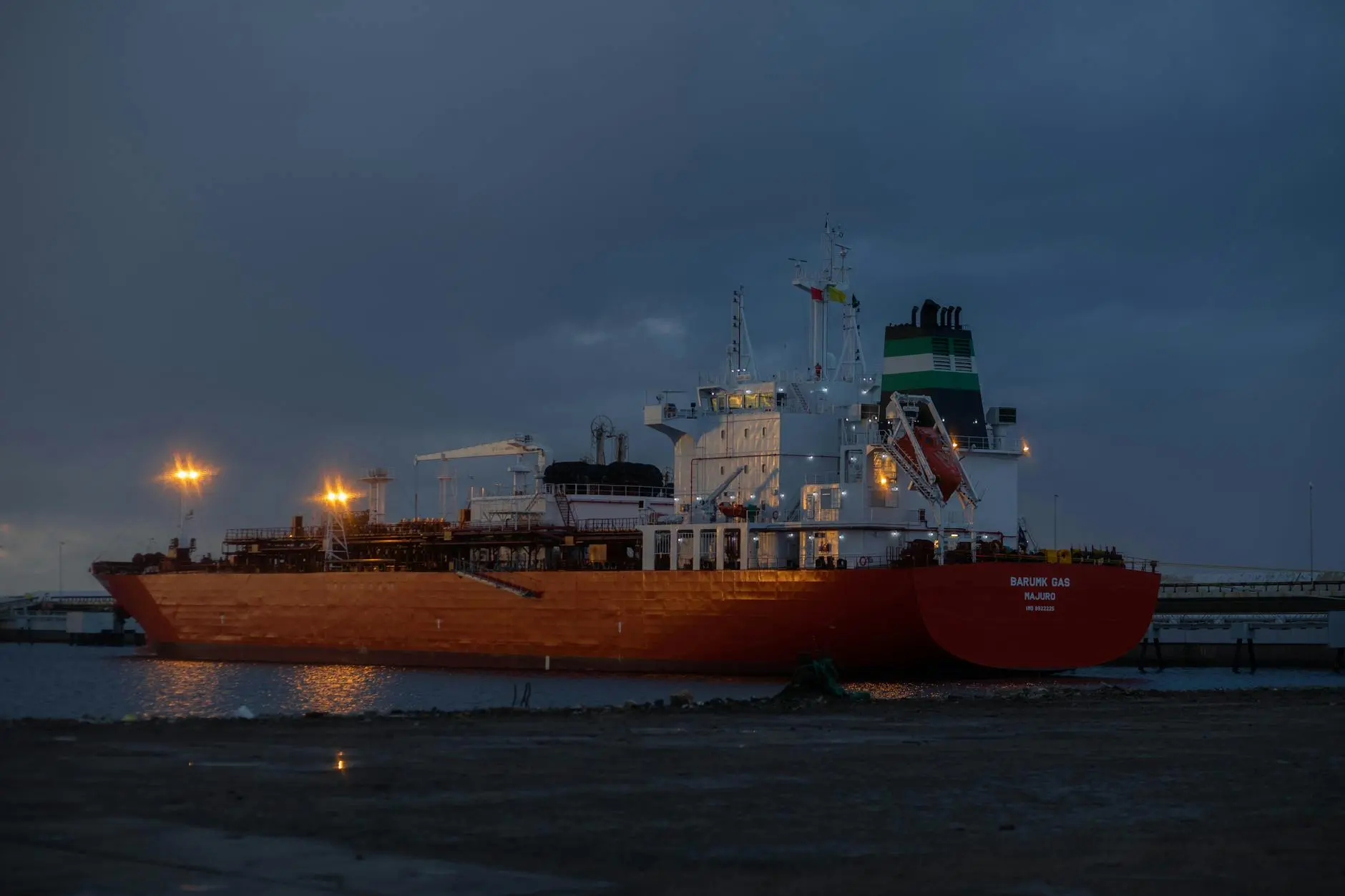
The global economy experienced a significant shock overnight as Iran new Supreme Leader ordered the closure of the Strait of Hormuz. Oil prices surged past $80 per barrel, triggering a substantial sell-off on Wall Street that erased 650 points from the Dow Jones Industrial Average. Energy markets worldwide are grappling with the implications of this major geopolitical escalation.
Why the Strait of Hormuz Matters
The Strait of Hormuz serves as a critical artery for global energy supplies. According to data from the U.S. Energy Information Administration, approximately one-fifth of global petroleum consumption passes through this narrow waterway on a daily basis. When Iran restricts access to the Strait, the impact reverberates through energy markets across all continents.
This strategic chokepoint connects the Persian Gulf to the Gulf of Oman and the Arabian Sea. Maritime vessels carrying millions of barrels of crude oil transit these waters to reach refineries and markets in Asia, Europe, and North America. Any sustained disruption creates immediate supply chain complications with cascading effects across industrial sectors and consumer markets.
Market Reaction and Economic Impact
Financial markets responded swiftly to news of the closure. The Dow Jones Industrial Average experienced significant volatility as investors recalibrated expectations for energy-dependent sectors. According to analysis from Investopedia, the International Energy Agency has announced plans to release 400 million barrels from strategic petroleum reserves in an effort to stabilize global prices.
Energy sector analysts express reservations about whether reserve releases can fully compensate for the supply disruption. Goldman Sachs commodity researchers have issued warnings that a prolonged closure could drive oil prices toward $100 per barrel. Such pricing levels would translate directly into elevated costs for refined petroleum products, with gasoline prices potentially exceeding $5 per gallon in major U.S. metropolitan markets.
European and Asian markets face parallel pressures. Major economies including Japan, South Korea, and Germany rely heavily on Gulf-region petroleum imports. Alternative shipping routes would add substantial costs and delays to energy deliveries, further straining industrial supply chains that were recovering from previous disruptions.
Impact on Young Adults and Students
The economic consequences extend directly to younger demographics currently navigating education and early career development. Transportation cost increases affect household budgets through elevated prices for food, consumer goods, and essential services. Industries with significant energy exposure have begun implementing hiring freezes and delaying expansion plans.
Environmental policy objectives face additional complications from the pricing environment. Higher oil prices improve the relative economics of fossil fuel production compared with renewable energy alternatives. This dynamic potentially slows investment transitions toward clean energy infrastructure and climate mitigation technologies that many young people have prioritized.
Educational institutions and student housing providers are also assessing the operational cost implications. Campus transportation systems, dining services, and facility heating and cooling expenses all face upward pressure from energy market volatility.
Geopolitical Context and Historical Patterns
The Iranian leadership appears to be testing Western diplomatic resolve through economic leverage. By restricting Strait access, Tehran signals its capacity to impose costs on global markets while seeking concessions regarding international sanctions and nuclear program negotiations. Historical precedents suggest such maneuvers frequently result in increased diplomatic isolation rather than substantive policy breakthroughs.
Previous incidents in 2019 involving tanker attacks and military tensions in 2020 demonstrated Iranian willingness to utilize energy infrastructure as strategic leverage. Those episodes, however, remained limited in duration and scope. A comprehensive closure represents a qualitatively different escalation with potentially severe consequences for all parties involved.
Regional dynamics add complexity to the situation. Saudi Arabia, the United Arab Emirates, and other Gulf states maintain substantial petroleum export volumes through Hormuz. Their responses to the crisis will significantly influence market stability and potential diplomatic resolutions.
Official Responses and Military Considerations
President Trump received intelligence briefings regarding Iranian operational capabilities within the United States, according to Reuters reporting. Administration officials have indicated intentions to address Iranian missile production infrastructure, suggesting that military escalation remains under active consideration.
The White House has emphasized that oil prices will stabilize once stated policy objectives are achieved. Military analysts note that forcibly reopening the Strait would require substantial naval operations with significant risk of armed confrontation. Diplomatic alternatives involving third-party mediators or indirect negotiations may offer pathways to de-escalation.
Future Developments and Analysis
Energy market specialists are monitoring several critical variables. The duration of the Iranian closure remains uncertain and will significantly determine market trajectories. Saudi Arabia and other OPEC members possess spare production capacity that could partially offset lost supply volumes if they choose to increase output.
Consumer behavior patterns will influence market dynamics as well. Previous energy crises have triggered demand destruction as households and businesses reduce consumption in response to elevated prices. Electric vehicle adoption rates may accelerate if gasoline prices remain elevated for extended periods.
International coordination through the G7 and other multilateral forums may produce coordinated policy responses. Sanctions enforcement, strategic reserve coordination, and diplomatic pressure represent potential tools for addressing the crisis through non-military means.
Information Quality and Media Consumption
During rapidly evolving international crises, information quality becomes paramount. Social media platforms frequently amplify unverified claims and speculative analysis. Readers should prioritize established journalistic sources including Reuters, the Associated Press, Bloomberg, and major financial publications for accurate situation assessments.
The Strait of Hormuz closure illustrates the interconnected nature of contemporary global systems. National economies operate within integrated networks where regional developments produce worldwide consequences. Energy security considerations affect employment markets, consumer prices, and long-term economic planning across all demographic groups.
Monitoring credible sources, understanding underlying economic mechanisms, and avoiding reactionary responses serve individual and collective interests during periods of geopolitical uncertainty. The situation continues to develop, with diplomatic, economic, and military factors all influencing potential outcomes.
Comments 0
No comments yet. Be the first to share your thoughts!
Leave a comment
Share your thoughts. Your email will not be published.