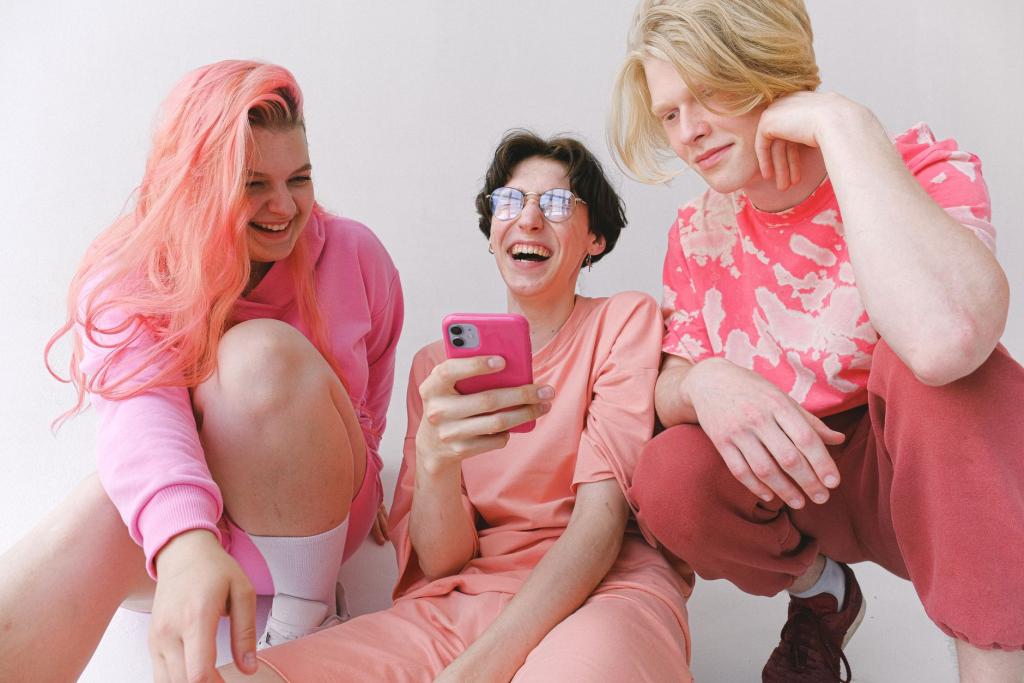
The most expensive voices on your feed may be the least persuasive ones. A survey of 6,126 Americans ages 11 to 24, run by the retailer Pacsun with the data firm GlobalData, found that family and friends dominate every measure of trust, from money advice to buying decisions. Influencers, meanwhile, never cleared an 11% share of trust in any category measured. Just 2% of respondents said they trust AI for fashion advice. The researchers call the pattern the "Drawbridge Generation": young people pulling up the bridge between a loud public world and the smaller circle they actually listen to. The take is blunt: influencer trust has a ceiling, and it sits lower than the industry admits. The group chat beat the feed, and the influencer economy has a credibility problem.
The drawbridge is up
The report is Pacsun's second annual Youth Report, released September 10, 2026 and based on a June survey sampled to be representative by age, gender, region and household income. The trust finding headlined the company's second annual Purpose Summit, held September 25 at Soho House's Little Beach House in Malibu, where the room included Snapchat chief marketing officer Grace Kao, designer Sami Miró and Rare Beauty impact officer Elyse Cohen, according to the event announcement. In other words, a gathering of people whose jobs depend on young people's attention spent a day discussing a report that says attention is not the same as trust. For an industry built on influencer trust, that is a problem. The survey also found financial independence slipping: 34.9% of respondents described themselves as financially independent, down from 41.3% in 2025, while full reliance on parents rose from 23.8% to 29.1%. People who are broke listen to the people who know their budgets. That is usually a parent or a friend, not a creator with a discount code.
Eleven percent is not a strategy
An entire industry now rests on the assumption that attention equals trust. Influencer marketing sells authenticity by the post, and brands pay for it as if it were a fact. But influencer trust tops out at 11%, according to the report. That is not a rounding error; it is the ceiling. It means the credibility brands are buying at scale is something most of the audience never granted in the first place. The math gets worse when you consider who is being paid. That gap is the entire influencer trust story: a product everyone buys and almost nobody believes. A creator's job is to convert attention into purchases. A friend's job is nothing of the kind, which is exactly why the friend is believed. The survey suggests young people have figured this out, and the steady stream of creator-versus-brand blowups, like this week's Kalshi ad dispute, keeps reminding them why. They grew up inside the sponsored content machine, and they price that credibility accordingly: eleven percent is the maximum, and no campaign brief negotiates it higher.
The retreat is already visible
The collapse of influencer trust is not happening in isolation. It fits a wider pullback from the public internet. Market research firm YPulse polled 1,500 people ages 13 to 39 and found two-thirds turning to analog options like flip phones and film cameras to escape addictive apps, the New York Post reported. Media psychologist Dr. Don Grant told the Post the shift started as nostalgia but is sticking because it feels better in daily life. Fewer feeds, smaller circles and more control over who gets in: it is the same motion as the drawbridge, with young people deciding who gets access to their attention and on what terms. The group chat is the mechanism behind the numbers. It is where opinions form, where links get shared, where someone texts "do not buy that" and it sticks. No sponsored post competes with a text from a friend that says this one is actually worth it.
What brands do with this
None of this means influence itself is dead. It means the cheapest version of it is losing. The hot take is that brands should stop renting attention from strangers and start earning a place in the circles that already exist. That means products worth recommending and communities worth joining, without the staged authenticity. A fashion retailer publishing this research has an obvious interest: if influencer trust is shaky, spending shifts toward retailers and products. Read the survey with that in mind. But GlobalData ran the numbers on a representative sample, and the pattern matches what young people are already doing with their phones. The brands that win the drawbridge generation will be the ones invited across it. Pacsun's next test is whether its own marketing earns the influencer trust it says is disappearing, or just rents more of it.
Comments 0
No comments yet. Be the first to share your thoughts!
Leave a comment
Share your thoughts. Your email will not be published.