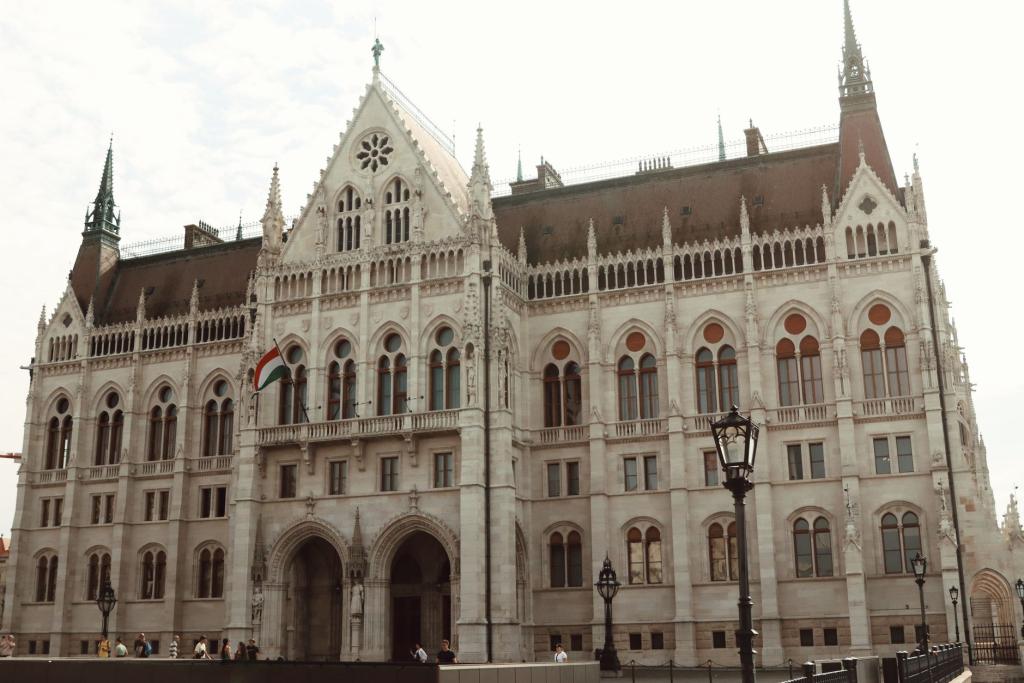
Hungary's parliament voted on Tuesday to dismantle the LGBTQ content restrictions that barred books, broadcasts and school materials from portraying same-sex relationships and gender diversity to young audiences. Lawmakers approved the amendment package by one hundred thirty-nine votes to fifty-one, striking the contested passages from a child protection statute adopted in 2021 under Viktor Orbán's government.
The ban is replaced by a general harm-based standard. The amended law will protect under-18s from material that can "seriously impair the child's physical, intellectual, emotional or moral development." The government's account of the vote describes new programme age-rating standards and advertising rules aimed at pornography, sexual exploitation and grooming, and gives no date for the changes to take effect, according to Fridae.
Prime Minister Péter Magyar's government framed the removal of the LGBTQ content restrictions as a strengthening of child protection regardless of sexual orientation that brings Hungary into line with European Union requirements, as reported by the Brussels Signal. The European Union welcomed the move as an important signal of commitment to the bloc's common values, according to Deutsche Tageszeitung.
The end of LGBTQ content restrictions for young audiences
Since the Orbán-era law took effect, any media, literature or educational material featuring LGBTQ themes had to be censored or sold with warning labels, a rule critics said equated homosexuality and gender transition with paedophilia. Publishers pulled titles from shelves, broadcasters cut scenes, and the statute was later extended to underpin bans on Pride marches. With the LGBTQ content restrictions gone, publishers, broadcasters and teachers can include age-appropriate material about sexual and gender diversity without fear of fines.
For LGBTQ teenagers, the practical effect is concrete. Novels, films and school materials can once again include same-sex relationships and gender diversity without triggering a legal restriction aimed at minors — the kind of everyday visibility that five years of state-backed stigma had worked to erase.
Why rights groups say the job is not finished
In its September assessment of the proposal to end the LGBTQ content restrictions, the watchdog welcomed the move while flagging what it left intact. The bill leaves unchanged section 5/A of the Family Protection Act, which carries similar restrictions on content accessible to children, and it does not address discriminatory language in the Fundamental Law or restrictions in the Freedom of Assembly Act that have been used to prohibit Pride marches, according to Human Rights Watch.
Hungarian rights groups pushed for more. Late in September, Háttér Society said it had joined Amnesty International Hungary and the Hungarian Helsinki Committee in sending additional amendments to MPs and government members. The groups welcomed the proposed changes in a joint statement but called for further amendments to dismantle the legal framework of discriminatory policies, as reported by GCN.
Speaking to AFP, Tamás Dombos of Háttér called the removal of the LGBTQ content restrictions "definitely an important and positive step forward," adding that there is still a lot to do. The remaining laws on his list are not abstract: Orbán-era rules bar legal gender recognition for trans people and effectively block same-sex couples from adopting. A Medián survey of one thousand adults commissioned by Háttér found that sixty-eight percent would let same-sex couples marry and adopt, while fifty-seven percent wanted the Orbán-era restrictions reversed, as reported by Hungarian Conservative.
Five years from adoption to reversal
The road to Tuesday's vote began in 2020, when the Orbán government barred legal gender recognition for transgender people. A year later came the child protection bill that introduced the LGBTQ content restrictions, banning the promotion of homosexuality and gender transition to under-18s over protests from EU leaders and activists. The statute was later used to ban Pride marches.
In April, the Court of Justice of the European Union ruled that the law violated "the very identity" of the bloc — the first time the court had found a standalone breach of the common values in Article 2 of the Treaty on European Union. In September, the new government submitted the reform bill, and rights groups filed their amendments. This week, parliament approved the package with the governing Tisza party's two-thirds majority, while Orbán's Fidesz party voted against it and accused the government of gutting the original law under pressure from Brussels.
The adopted text will be needed to confirm exactly which provisions parliament approved, and the government has given no effective date. For now, the end of the LGBTQ content restrictions marks the first major reversal of the Orbán era under the new government — and a test of how far the reform will go. For more of our rights coverage, see Human Rights, and read our report on an LGBTQ hate-speech ruling in South Africa.
Comments 0
No comments yet. Be the first to share your thoughts!
Leave a comment
Share your thoughts. Your email will not be published.