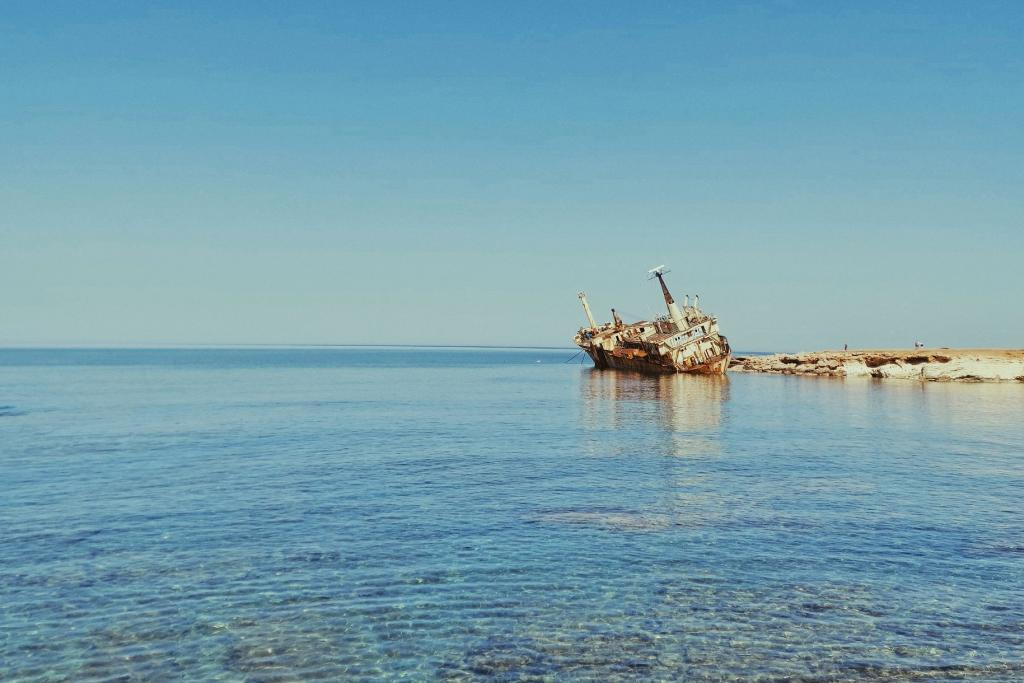
The Djibouti shipwreck is now one of the deadliest on record along the Eastern Route, and the toll is still climbing. According to the International Organization for Migration, at least one hundred thirty-nine migrants are dead and eighty-four more are missing after a boat capsized off the coast of the East African country.
What happened off Obock
The boat was carrying three hundred five people from Djibouti toward Yemen when it went down near Guhere, north of the port town of Obock. Survivors told the agency it happened on the night of October eighth into the early hours of October ninth.
About eighty-two people made it out alive, and all of the survivors the IOM described were Ethiopian nationals. The toll started lower. The first statement counted one hundred nine dead and more than one hundred sixteen missing, then rose after thirty more bodies were recovered.
Among the first bodies recovered were fifty-two men, forty-two women and fifteen children, including nine girls and six boys, the IOM said. Search and recovery work by Djiboutian authorities is still going, and fears are growing for those not yet found.
Overcrowded and close to shore
Alexandre Coissac, the IOM chief of mission in Djibouti, visited the area on Saturday. According to PBS News, he said the migrants boarded in the evening and the vessel sank very soon after, close to the shore, mainly because it was overcrowded.
He described local authorities as overwhelmed as bodies kept washing toward the beach. Survivors, he told reporters, were in shock, and some had only just learned that relatives had died. Others were given phones to tell families back home that they were alive.
Photos released by the agency showed worn sandals and sneakers scattered along the shore, a quiet and awful detail that says more than the numbers do. IOM staff are helping dozens of survivors at its migrant response centre in Obock with medical care, food, shelter and counselling.
Why people keep making the trip
The route runs from the Horn of Africa across the Bab el-Mandeb strait toward Yemen and, eventually, wealthier Gulf states. Yemen itself is in the middle of its worst escalation since the truce in twenty twenty-two, yet the crossings have continued.
Ethiopian migrants interviewed by the IOM in late September said they left because of hard living conditions, including drought. Some also said they fled conflict and forced recruitment, according to CBC News and Reuters reporting on the agency's latest situation report. Fighting broke out in Ethiopia's Tigray region in late September.
The IOM says the volume and direction of movement can shift, but the corridor stays busy. More than nine hundred migrants died or went missing on it in twenty twenty-five, as the number of people attempting the journey rose by eighteen percent.
Rescue teams say the Djibouti shipwreck happened in darkness, which made it harder for nearby fishing crews to respond in time. The toll could still change as more bodies wash ashore along the coast.
A second try for many
One detail stands out. Coissac told AFP, as reported by RTE, that about one hundred fifty of the people on the sunken boat had previously been turned back from Yemen and were trying the crossing again. That says a lot about how few options they felt they had.
A similar accident in March this year left nine people dead and forty-five missing, according to the BBC. That event was far smaller, which shows how this latest tragedy dwarfs earlier ones.
What the UN is asking for
IOM Director General Amy Pope said no one gets into a boat like that unless they believe there is no other safe way. She said the world cannot keep treating these deaths as normal and urged governments and donors to expand safe and legal pathways before the next boat goes down.
The wider picture is grim. The IOM says displacement inside Yemen has surged to two hundred thousand people from seventy-six thousand in mid-September, and more than three thousand seven hundred people have fled Yemen by sea to Djibouti. People are crossing in both directions, and neither path is safe.
For anyone following global crises, this is a reminder that headline wars have ripple effects far from the front line. Find more coverage on our human rights page as the search for the missing continues.
Comments 0
No comments yet. Be the first to share your thoughts!
Leave a comment
Share your thoughts. Your email will not be published.