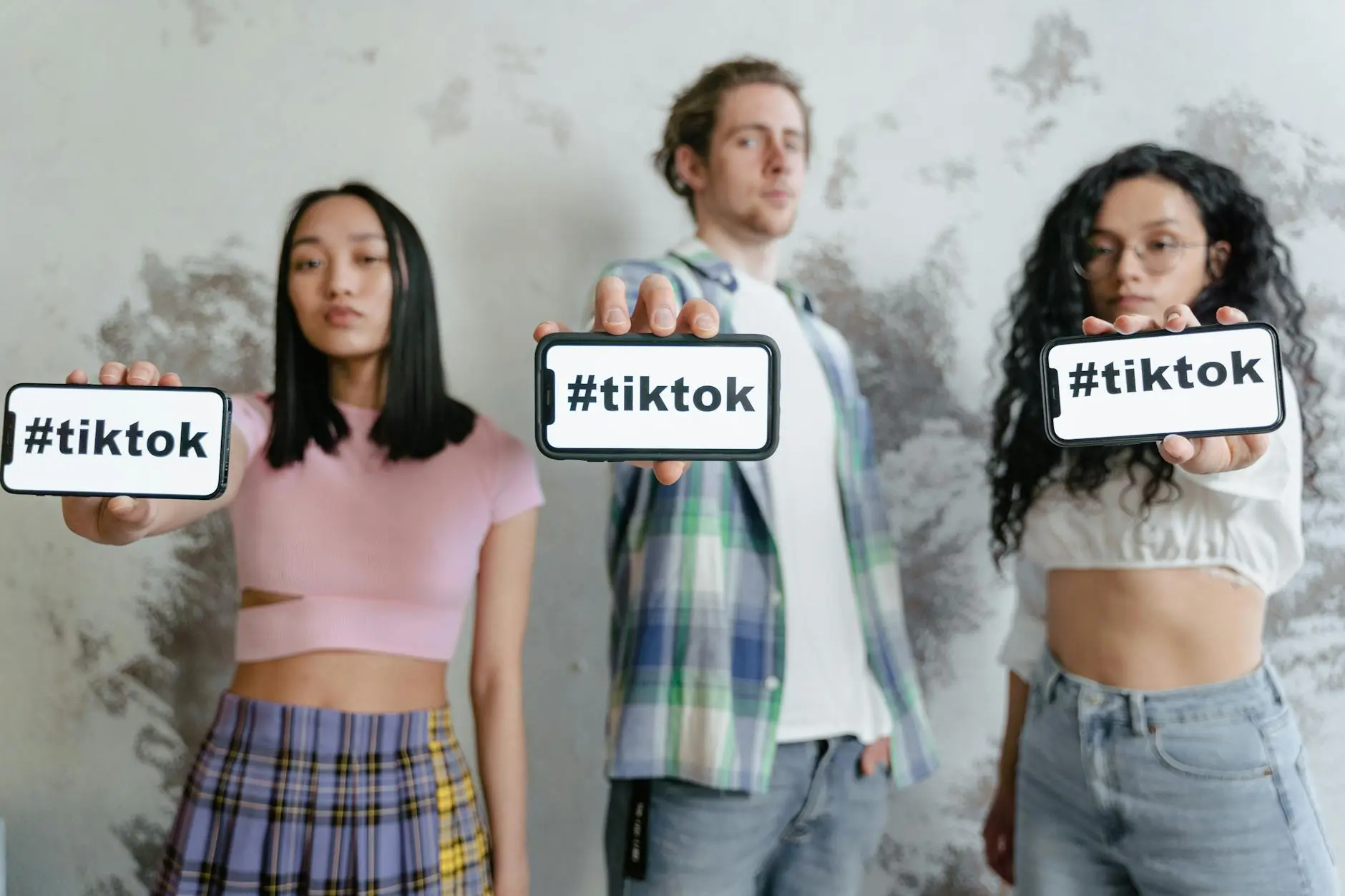
Movie studios are discovering what Gen Z has known for years: fan edits are a powerful form of entertainment that can drive massive engagement. Now, Hollywood is buying in, hiring young digital-native editors to create the kind of content that resonates with the next generation of moviegoers. This represents a fundamental shift in how studios approach film marketing in the age of social media.
When Melanie, also known as "Uhbucky" on social media, posted a fan edit of the HBO Max series "Heated Rivalry," she had no idea it would lead to her dream job. Her minute-long video condensing the six-episode steamy hockey romance gained 4.6 million views on X and blew up across Instagram, TikTok, and even Threads. This year, Melanie left the world of financial consulting to edit trailers and promos full-time at HBO, after the company reached out to her via DM saying they loved her edit.
The Rise of Fan Edit Culture
The short fan-made videos have been a longtime part of internet culture, stringing together clips from movies, TV shows, or other sources, often using eye-catching transitions and evocative music. Gen Z overwhelmingly identifies as belonging to fandoms, and the most popular fan edits can draw hundreds of millions of views on social media platforms. What was once a grassroots hobby is now being recognized as a powerful marketing tool by major studios.
Lionsgate has been working with fan editors for years but brought more attention to the practice recently, working with a team of at least 10 to 15 fan editors at a time as contractors. The movie studio saw two of its franchises, "Twilight" and "The Hunger Games," gain a second life in part because of its self-aware, tongue-in-cheek edits. "We want to create content that is very native, that is fan-first, and the best people to do that are the fans," Briana McElroy, Lionsgate Motion Picture Group's head of worldwide digital marketing, told CNN Business.
Viral edits can attract new fans and bring Gen Z from TikTok to theaters and streaming sites. A survey from advertising agency Ogilvy found that 86% of Gen Z respondents called themselves fans in a report last December, with half reporting that their fandoms help them make sense of the world. Fan engagement such as viral edits keeps these brands going for years and years, according to industry analysts. Studios are taking notice and investing heavily in this new form of marketing.
From Grassroots to Corporate
While trailers promote upcoming movies on the big screen, fan edits are usually made for vertical video and can focus on anything from brand new shows to movies from years ago. Lionsgate told CNN that when it pushed its own "Twilight" edits on social media alongside viral fan-made edits, there was a direct correlation with increases in views for the movie on streaming sites. This data-driven approach has convinced studios to invest more in fan-generated content strategies.
Individual content creators are usually the ones making fan edits for close-knit fandoms. When Lionsgate began posting its own fan edits, one comment under a Twilight video expressed disbelief: "oh wow! A hunger games edi- WAIT LIONSGATE??!!." Some fan communities view corporate involvement in fan engagement negatively, seeing it as co-optation of authentic creative expression that has traditionally been grassroots and community-driven.
There's also the issue of copyright and controlling the image of a movie or series. Although studios don't want their content distributed for free, it's hard not to recognize the publicity from fan edits. "It's much harder to control something after it's released in theaters, and once it's available for streaming at home," McElroy said. Studios are learning to embrace the phenomenon rather than fight it, recognizing that fan enthusiasm can be a powerful marketing asset.
For the upcoming "Hunger Games" prequel, "Sunrise on the Reaping," Lionsgate sought to combine the appeal of traditional movie trailers and fan edits. When the trailer was released, edits were immediately teed up because the studio knew fans would be creating content and they wanted to be part of that conversation. This hybrid approach represents the future of film marketing in the digital age.
Melanie says she'll keep making edits for fun, but she won't engage with shows she's currently working on for HBO. She always wanted to do fan edit-type work but had no idea her current job even existed five years ago. "This happening was absolutely mind-blowing," she said. The transformation from fan to professional represents how the entertainment industry is evolving to meet audiences where they are, speaking their language and embracing their creative expressions.
According to CNN Business, the shift toward hiring fan editors could signal an industry-wide change in how studios market their movies. As streaming continues to dominate and social media platforms become the primary way younger audiences discover content, fan edits are positioned to become an even more important part of the marketing mix.
Comments 0
No comments yet. Be the first to share your thoughts!
Leave a comment
Share your thoughts. Your email will not be published.