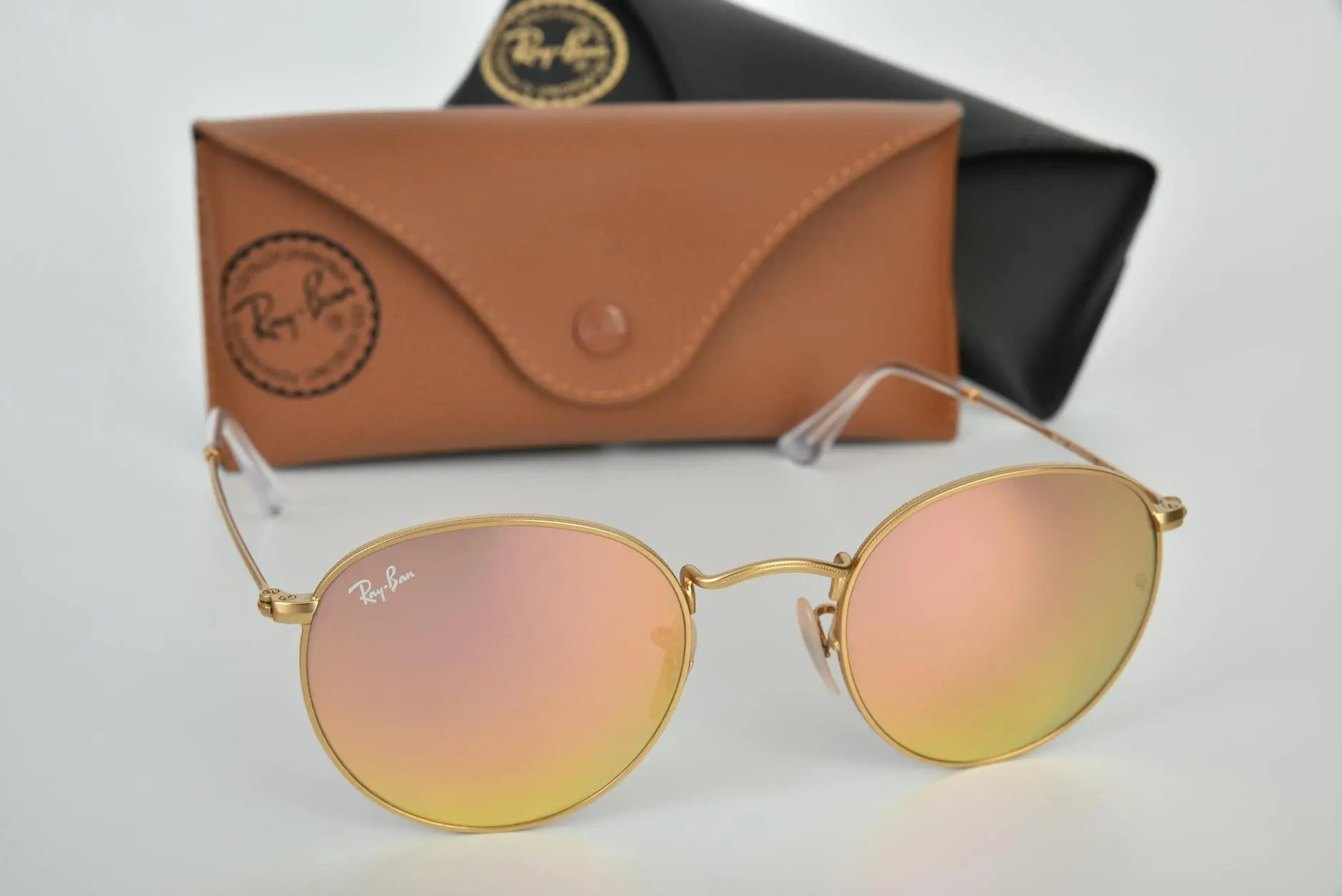
Meta's AI-powered smart glasses are facing a major privacy controversy as reports emerge that subcontractors have been viewing intimate moments captured by users. The revelation has sparked widespread concern about the privacy implications of wearable AI technology and how human reviewers interact with artificial intelligence systems. This Meta AI glasses privacy issue represents one of the most significant breaches of consumer trust in the wearable technology sector. Users who purchased these cutting-edge glasses expecting cutting-edge privacy protections are now learning their most private moments may have been exposed to strangers.
The incident involves Meta's Ray-Ban smart glasses, which feature an AI-powered visual query system that allows users to ask questions about what they are seeing. According to reports from Swedish newspapers, subcontractors tasked with reviewing AI responses have been exposed to deeply personal and sometimes accidentally captured images and videos from users' daily lives. This exposure raises serious questions about whether consumers can truly trust AI companies with their most private moments. The subcontractors were reviewing these visual queries to improve the AI's accuracy, but in doing so, they gained access to content that users never intended to share.
The Nature of the Privacy Breach
The Meta AI visual query functionality was first introduced in early 2024, rolling out approximately six months after the Ray-Ban Meta glasses originally launched. Users could activate the feature by saying "Hey Meta, look and tell me..." which would capture a frame of what they were seeing to provide an AI-generated response about the objects or scenes in view. The feature was marketed as a convenient way to get information about the world around users, but it inadvertently created opportunities for privacy violations that company executives apparently did not fully anticipate.
According to the investigative report, these visual queries sometimes captured intimate moments unintentionally. The subcontractors reviewing these queries for quality assurance purposes were exposed to highly personal content that users never expected to be seen by human eyes. Meta has stated that photos and videos captured with the glasses sync to users' phones and are not viewed by Meta or subcontractors for training purposes, though the visual query functionality operates differently and involves human review. This distinction has done little to calm privacy advocates who argue that users were not adequately informed about the potential for human eyes to see their captured images.
Implications for Wearable AI Technology
This privacy scandal raises serious questions about the rapidly expanding field of wearable AI devices. As companies race to integrate artificial intelligence into everyday consumer products, the potential for privacy breaches grows exponentially. Users of AI-powered glasses, cameras, and other wearable devices may be unknowingly exposing themselves to surveillance by both AI systems and the human workers who maintain them. The Meta AI glasses privacy controversy demonstrates that even well-intentioned features can have unintended consequences when human reviewers are involved in the AI improvement process. This incident should serve as a wake-up call for the entire industry.
The tech industry has long relied on human reviewers to improve AI systems, but this practice has faced increasing scrutiny in recent years. Similar controversies have surrounded other major tech companies, with Apple notably changing its data review practices following a 2019 report about contractor access to Siri recordings. The Meta incident suggests that despite past controversies, the industry has not fully addressed the fundamental tension between AI improvement and user privacy. Companies must find better ways to balance the need for human oversight with consumers' reasonable expectations of privacy.
Privacy advocates are now calling for stronger regulations around wearable AI devices and clearer guidelines about how AI companies handle user data. The incident may prompt Meta to fundamentally reconsider its approach to human review of AI-generated content and potentially implement more robust privacy safeguards. This could include more transparent disclosure of how visual queries are processed, options for users to opt out of human review, and enhanced encryption of captured data. According to a recent report from UploadVR, the broader AI industry is grappling with similar privacy challenges as more devices become AI-enabled.
What Meta Users Need to Know
If you own Meta's Ray-Ban smart glasses or are considering purchasing them, it is essential to understand how the AI visual query feature works and what data may be accessed. Users should carefully review their privacy settings and consider disabling the visual query feature if they have concerns about their images being viewed by human reviewers. The settings can be adjusted through the Meta View app, though the process is not immediately obvious to average users who may not be tech-savvy. Taking the time to understand these settings could protect you from unwanted privacy violations.
The controversy highlights the importance of reading privacy policies carefully before adopting new AI technologies, especially those with cameras and microphones that could capture sensitive information. As AI continues to integrate deeper into our daily lives, users must remain vigilant about the data they share and the companies they trust with their personal information. This incident serves as a reminder that even the most convenient AI features can come with hidden privacy costs that consumers may not fully understand until a scandal emerges.
Comments 0
No comments yet. Be the first to share your thoughts!
Leave a comment
Share your thoughts. Your email will not be published.