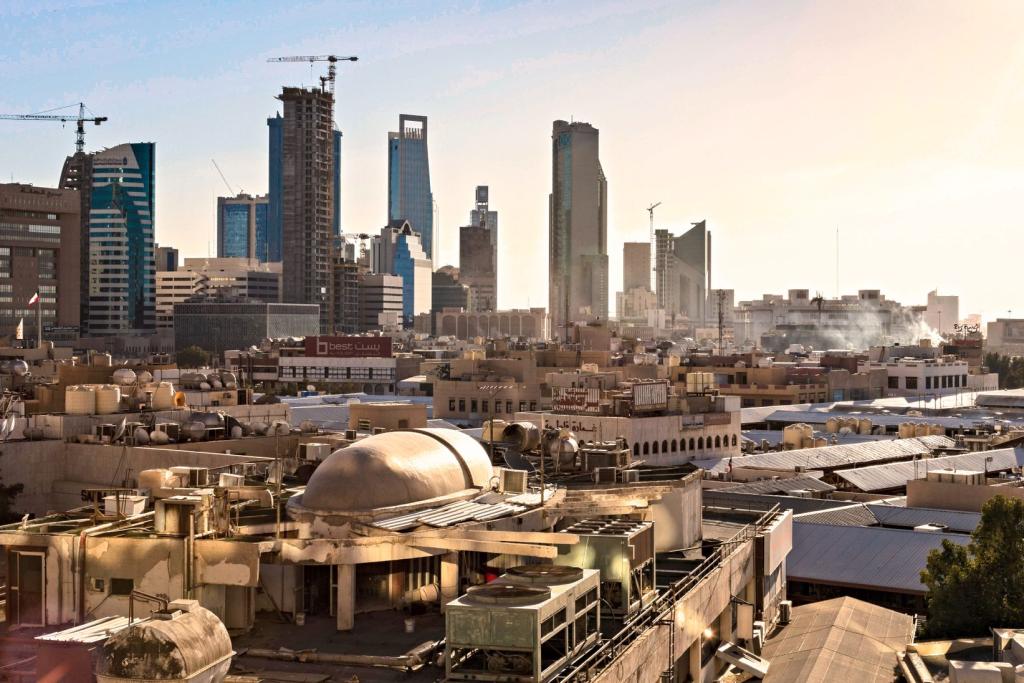
A Houthi attack on Saudi Arabia hit one of the most important addresses in the global oil business on Tuesday night, and it is only the latest hit in a week that has pushed the kingdom closer to open war than it has been in years. Saudi officials said a missile strike on an Aramco administrative building in Dhahran sparked a "limited fire" with no casualties, according to AFP.
What Happened Tuesday Night
The Dhahran complex is a major hub for Aramco, the world's largest oil company. A company source told Reuters that a ballistic missile struck the top floors of an office building there, according to Deutsche Welle's live coverage. Saudi Arabia's Energy Ministry confirmed the fire but said nobody was killed or hurt at the site.
Hours earlier, Riyadh was rattled by a powerful explosion. Residents got a phone alert warning that the city was facing a "hostile aerial threat." Saudi civil defence later said debris from two intercepted Houthi cruise missiles wounded four people, two women, a man and a child, and damaged fifteen homes, AFP reported.
One witness told AFP he saw a projectile cut across the sky above a mall, leaving a yellowish trail of light and then smoke. "People were calm; no one was speaking. We were scared and all looking up at the sky," he said.
Why the Strikes Keep Coming
This round of violence did not come out of nowhere. Yemen's frozen war restarted in July, and since then the Iran-backed Houthis have taken the fight onto Saudi soil. Last Saturday, a strike on Riyadh's international airport left thirteen people dead and flights suspended, which AFP called the worst attack on the kingdom since twenty fifteen.
The Houthis say the point is political. Mohammed Al Bukhaiti, a member of the group's political bureau, told AFP the campaign is meant to send a message to the crown prince "that he can no longer wage aggression against Yemen from a safe position." Before Tuesday's strikes, the group also threatened to hit Riyadh's airport, a refinery and an Aramco facility in Dammam.
Saudi Arabia Hits Back in Yemen
The Saudi-led coalition struck back on Tuesday, hitting oil sites across western Yemen, including in Sanaa and the provinces of Dhamar and Saada. Coalition spokesman Turki al-Maliki said the targets supplied the Houthi war effort. It also issued its first evacuation order in Sanaa since the war flared up in July, before hitting a fuel facility on a hill overlooking the city.
The coalition says the Houthis used that site to store missiles and drones. The Yemeni oil company said its storage tanks there were empty and that supplies to residents were not affected, according to Deutsche Welle. Even so, AFP's correspondent saw people in Sanaa rushing to fuel stations, scared of shortages.
Meanwhile, the Saudi cabinet, led by Crown Prince Mohammed bin Salman, vowed it will not allow its security or freedom of navigation in the Red Sea and the Bab al-Mandab Strait to be threatened.
Flights, Schools and the Wider World
Daily life in the capital is already changing. Reuters reported that Riyadh's King Khalid International Airport will stay shut this week as airlines cancel services, one of the biggest disruptions to Saudi aviation in years. France has told its citizens to avoid the airports in Riyadh, Jeddah and Dammam. AFP journalists said traffic in normally gridlocked Riyadh was noticeably lighter, with remote learning for every school and work-from-home orders for some companies.
The money side is getting ugly too. The International Monetary Fund said on Tuesday that Saudi Arabia's economy is expected to shrink by three point three percent this year, partly because of Iran's blockade of the Strait of Hormuz. IMF chief Kristalina Georgieva added on Wednesday that the attacks could have a negative spillover "everywhere."
Will the United States Get Involved?
Washington is watching closely. President Donald Trump has said he is considering joining Saudi strikes on the Houthis, and on Truth Social he wrote that "the Houthis are behaving very badly," probably at the behest of Iran. "I'll be there after the elections, and I will never forget," he added, referring to next month's midterms. The Houthis answered by warning that they would target American interests in the region if the United States steps in.
The human cost in Yemen is rising as well. The World Health Organization said on Tuesday that suspected cholera cases there tripled in three weeks, straining hospitals that are already treating war casualties.
What to Watch Next
For anyone scrolling past this, here is the short version: the Houthi attack on Saudi Arabia is part of a regional conflict, which started with the US and Israel attacking Iran in February, and it is now hitting airports, oil offices and neighbourhoods in the kingdom that supplies a big chunk of the world's crude. Watch whether Riyadh's airport reopens on schedule, whether Aramco's other sites get targeted, and whether Washington turns words into strikes. Follow more of our war coverage as the story develops.
Comments 0
No comments yet. Be the first to share your thoughts!
Leave a comment
Share your thoughts. Your email will not be published.