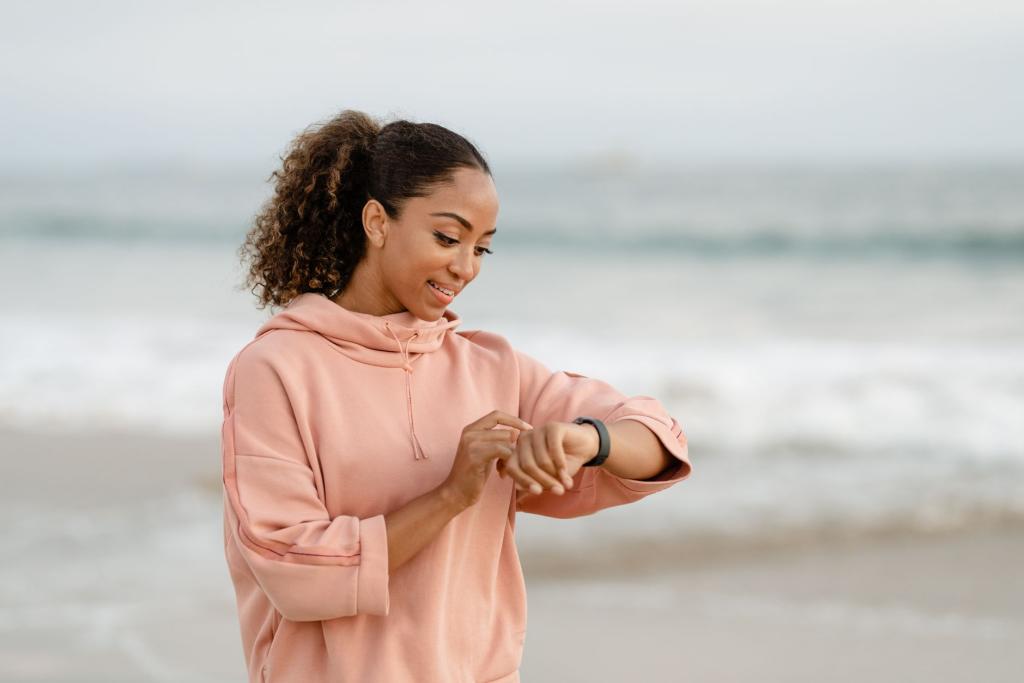
Leisure used to be the opposite of work. For a growing slice of Gen Z, it is starting to look like another shift. A trend researchers are calling hobbymaxxing has young people turning their downtime into something to be tracked and optimized, with an intensity once reserved for school or a job.
YPulse flagged the pattern in a September report, writing that Gen Z's hobbies are increasingly tied to productivity and goal setting: how many books they finished on Goodreads, how many miles they banked on Strava. Documenting life on social media is already the norm, according to YPulse, and the pressure to perform has started turning free time into something that can be measured and improved. The research firm even coined a word for the result, calling these metric-chasing pastimes "jobbies": hobbies with the rhythm and bookkeeping of a job.
Why downtime started coming with metrics
Some of the credit, or blame, belongs to the gear. Cultural sociologist Sarah Pritz says the combination of social media and tracking wearables and apps is intensifying the trend, and that Gen Z's obsession feels like an extreme now, YPulse reported. Everything can be posted and compared, which makes a casual pastime feel oddly incomplete unless it produces a number.
That framing hits differently when you hear how young people describe it themselves. A twenty-three-year-old interviewed for the Washington Post's coverage of the trend, which YPulse cited, said she lost her curiosity once everything became about maximizing, and that even relaxation and leisure time now feel like they have to serve a purpose. A second young woman in her early twenties framed her hobbies as long-term projects she is trying to complete, telling the Post, "I don't find it relaxing, I find it motivating," and calling offline engagement a new status symbol, according to YPulse.
When relaxing feels like a task
The unease runs deeper than screen time. A separate report from AInvest on the hobbymaxxing trend quotes a psychology professor at the University of Toronto, who argued that the feeling of effort in leisure activities is an illusion rooted in the Protestant ethic and an evolutionary link between hard work and reward. In plain terms, the guilt you feel over an unproductive Sunday might be older than your smartwatch.
Tracking has a genuine upside, and it is worth naming. A run log can get you out the door in January, and a reading list can carry you through a rough semester. Hobbymaxxing describes what happens after the habit stops being the point: the numbers become the hobby and the activity becomes the excuse. The pastime still exists, but the fun gets audited.
That audit culture has a specific texture on social feeds. A hike with no photos feels undocumented. A month of reading with no Goodreads update feels unwitnessed. Social apps reward the visible version of a life, and when the scoreboard lives in your pocket, leaving any part of the day unmeasured gets harder. The offscreen part of a hobby, the part nobody counts, starts to feel like it never happened.
Reclaiming the unoptimized hobby
Pushback is already visible. Doing things without logging them, or doing them badly on purpose, is becoming its own form of cool. The second interviewee's line about offline engagement being a new status symbol points at where this goes. The counterculture move keeps hobbies out of the spreadsheet.
There is also a practical middle ground. AI tools have taken over a large share of the cognitive load at actual work, and newsletters can grow from a side project into real income without ruining the fun. The problem starts when every interest gets a progress bar. At that point rest stops being rest. A hobby that needs a dashboard is work with better lighting.
If hobbymaxxing has a lesson, it is a simple one. Leave one thing uncounted. Read the book without updating Goodreads. Take the walk without Strava. The parts of life you never measure may be the ones keeping you sane.
Comments 0
No comments yet. Be the first to share your thoughts!
Leave a comment
Share your thoughts. Your email will not be published.