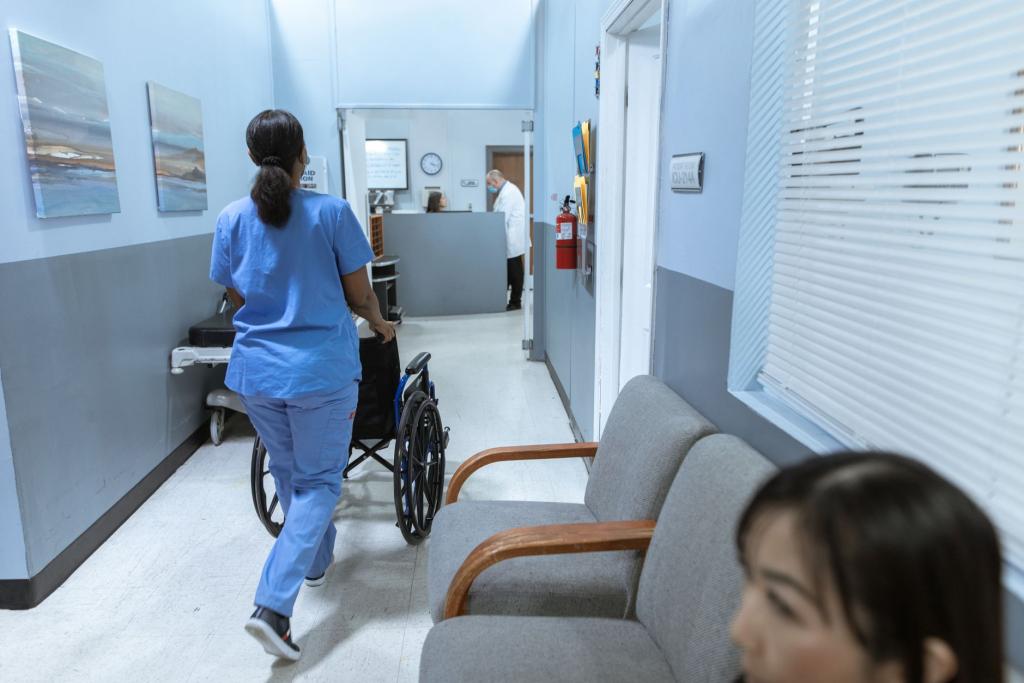
Seven in ten Gen Z healthcare workers say they will look for a new role in the next year, according to a new Harris Poll survey — a warning sign for a United States health system already projected to run short of nearly five hundred thousand critical healthcare workers by 2038. The Healthcare Workforce Barometer, commissioned by Strategic Education and its subsidiary Workforce Edge and released on September 16, 2026, also finds that more than half of the overall healthcare workforce, fifty-nine percent, is looking to leave, as reported by Business Wire.
The poll surveyed one thousand five hundred fourteen healthcare employees and three hundred four healthcare employers online between June 12 and July 1, 2026. The findings land as federal data underscores the stakes: the Health Resources and Services Administration projects a shortfall of nearly five hundred thousand critical healthcare workers by 2038, and reports that one in three nurses is over the age of fifty, according to the federal workforce report cited in the release.
What Gen Z healthcare workers actually want
The headline number hides a nuance: this is not simple job-hopping. Sixty-five percent of Gen Z workers say they expect to stay with one employer for five or more years, and ninety-five percent value job stability and long-term security. What they want is a ladder: eighty-nine percent say clear opportunities for advancement matter to them, compared with seventy-seven percent of older workers, and eighty-six percent believe education or learning new skills will help them move up. Yet only twenty-six percent have a great deal of trust that their employer will support their long-term career growth, according to the survey.
Employers see the same problem from the other side. Nearly half, forty-seven percent, of employers point to a lack of advancement, professional development or education opportunities as the main reason employees leave. And while eighty-nine percent of employers that offer workforce education programs say they improve retention and career mobility, fewer than half — forty-eight percent — have a comprehensive program in place. Three-quarters of healthcare workers say they are interested in continuing their education, and eighty-one percent would join an employer-sponsored education benefits program. The full survey results are published at HealthcareWorkforceBarometer.com.
The AI split: workers curious, employers cooling off
The survey also captures a notable cooling on artificial intelligence in clinical settings. Only forty-eight percent of healthcare workers feel comfortable using AI-based tools in their current role, and thirty-nine percent say AI has had no noticeable impact on their work yet. Two-thirds believe healthcare workers are less at risk of AI replacing their jobs entirely than workers in other industries — a calmer view than the general public, where Pew Research finds fifty-six percent of United States adults are extremely or very concerned about AI eliminating jobs. Forty-five percent of healthcare workers agree they trust AI will provide meaningful benefits to patients.
Employers, meanwhile, are less bullish than they were a year ago: in 2025, eighty-nine percent agreed it was critical for employees to learn AI skills to stay competitive, but that share fell to seventy-nine percent in the new survey. The results suggest both sides recognize the value of preserving the human element in healthcare, said Adele Webb, Healthcare Workforce Advisor for Workforce Edge, a nurse and educator of more than four decades. Younger workers, she added, are "willing to move on if their employer doesn't support their career trajectory," and employers must build retention around the learning and advancement opportunities this generation expects.
What this means for young caregivers
For Gen Z entering nursing, caregiving and allied health roles, the message cuts two ways. The demand is real and growing — an aging workforce and a projected shortfall of half a million workers by 2038 mean leverage for young workers who can negotiate training and advancement into their offers. But the survey's core warning is that wanting to move is not the same as wanting to leave the field: most young workers want stability, they just will not wait around for a ladder that never arrives. Jennifer Musil, global president of research at The Harris Poll, called the gap between what workers value and what they believe employers will provide "striking," pointing to professional development as the clearest retention lever.
The fix the data points to is unglamorous: education benefits. With seventy-five percent of workers interested in further education and eighty-nine percent of employers with programs crediting them for retention, tuition support and certification pathways look like the cheapest way to keep young clinicians — even as fewer than half of employers offer a comprehensive program. Young workers weighing healthcare careers can read more in the productivity hub, and compare notes with the record fifty-five percent job-hopping rate among Gen Z across all industries this year.
Comments 0
No comments yet. Be the first to share your thoughts!
Leave a comment
Share your thoughts. Your email will not be published.