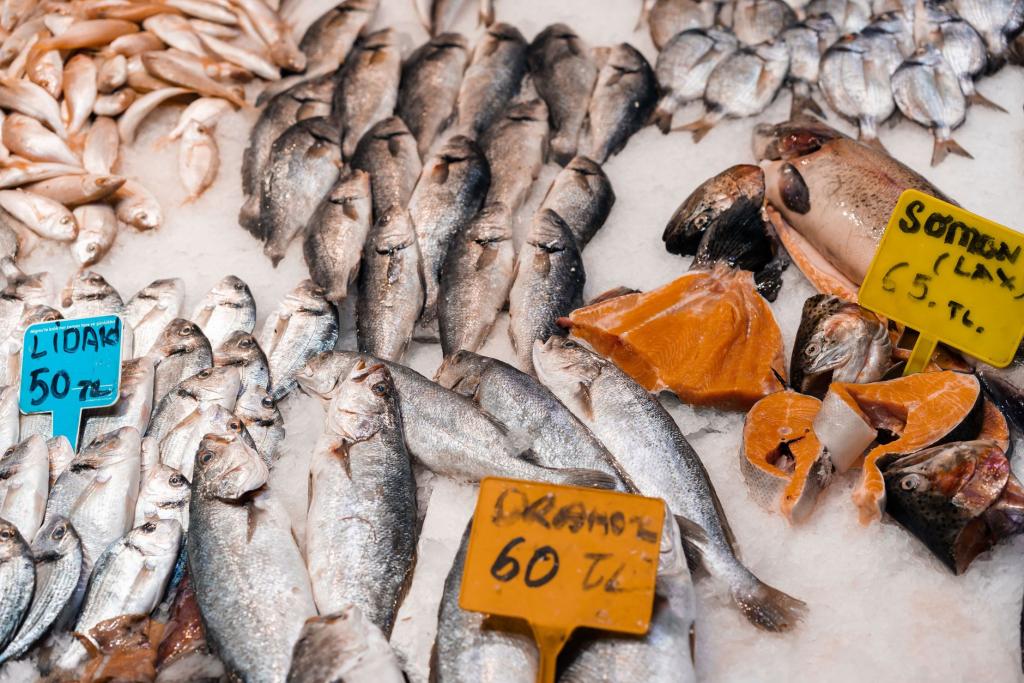
A century of dinner ideas reveals that British cooking has quietly lost its sense of adventure with seafood. In a new Century of Recipes study, researchers at the University of Exeter analyzed 1,192 fish and shellfish recipes published in Good Housekeeping from 1923 to the present day, and found that today's tables are dominated by a "big five" of cod, haddock, tuna, salmon and prawns, which now make up about 80 percent of the seafood eaten in the United Kingdom. The peer-reviewed study was published this month in the journal People and Nature.
"For decades, British cooks have turned to published recipes for inspiration about what to put on the dinner table," said Dr. Ruth Thurstan, the Exeter marine researcher who led the work. She wanted to know whether everyday sources like magazines could show how the nation's relationship with fish has changed, according to the university's announcement.
The Century of Recipes timeline falls into three broad phases. Before the 1970s, recipe pages carried a diverse mix of species, with flatfish, herring and oysters prominent, and an emphasis on domestic skills, economy and preparing whole fish. The 1970s brought the shift: diversity in published recipes declined as the "big five" took over, a period when catches in UK waters fell, imports rose, and supermarkets, frozen food and standardized products changed how people shopped. From the 1980s to the present, the big five have appeared in well over half of recipes, while aspirational and convenience-focused dishes grew more prominent.
The method is unusual for marine research. Thurstan treated the magazine's recipe pages as a cultural archive rather than a cookbook, extracting fish and shellfish recipes from selected issues across the century and tracking which species editors expected readers to recognize and cook. Across this Century of Recipes, 67 species appeared at least once, a breadth that makes the modern concentration around five of them look like a choice the food system made, not one shoppers made.
From oyster cocktail to curried whale
The lost dishes read like a different country. Recipes from the 1920s and 1930s included oyster cocktail, lobster canapes and halibut steaks in milk. The 1940s, under wartime rationing, carried recipes from the Ministry of Food encouraging the public to eat fish and other protein sources, including a recipe for curried whale meat. By the modern era, the same big five return wearing new flavors: the dataset includes dishes like gochujang sticky cod, proof that globalization changed the seasoning more than the species.
One striking detail is the trade paradox behind the narrowing. The UK exports most of the diverse fish caught in its own waters and imports most of the narrow range it actually eats, Thurstan told Phys.org. The shift did not happen because British tastes are naturally conservative, she said; it reflects decades of interacting changes in fish supply, trade and supply chains that shaped what home cooks came to see as familiar and worth eating.
What it means for your grocery run
Thurstan is careful about what the numbers can and cannot prove. Recipes are not a direct measure of what people ate, only of what they were expected to recognize, buy and want to cook. Still, the magazine worked for a century as a trusted bridge between the food trade and the home kitchen, so its pages offer a rare dated record of how food culture moved.
There is a fair defense of the big five. Standardized fillets and frozen staples made seafood approachable for busy households that never learned to prepare a whole fish, and supermarket supply chains fed far more people than the fishmonger era did. The narrowing was, in part, the price of convenience and scale. The study's point is not that frozen cod is the villain, but that the range on offer quietly collapsed while nobody was watching the recipe pages.
For a generation of cooks hunting for affordable protein, the findings carry a practical nudge. Species that vanished from the recipe pages, such as herring, mackerel and mussels, remain widely available and often cheaper than salmon fillets, and buying them supports more of the fleet that fishes domestic waters. Relearning a few old recipes could widen the menu and spread pressure across more stocks at once.
The Century of Recipes findings land as food-system innovation takes the spotlight: the UN's World Food Day arrives tomorrow, October 16, 2026, with Rome hosting the World Food Forum's showcase of agrifood ideas. A century of shrinking menus makes a decent case for its theme of rethinking what lands on the plate.
Comments 0
No comments yet. Be the first to share your thoughts!
Leave a comment
Share your thoughts. Your email will not be published.