How Gen Z Shopping Habits Are Transforming the Retail Landscape
Generation Z is rewriting the rules of retail, and the fashion industry is scrambling to keep up. Born between 1997 and 2012, this digitally native cohort has developed shopping behaviors that diverge dramatically from previous generations. According to W Magazine, which has documented these cultural shifts extensively, Gen Z fashion is not just about clothing—it's about values, identity, and community-driven discovery. Their purchasing decisions are reshaping everything from how brands market products to where they open stores, creating a new retail paradigm that prioritizes sustainability, authenticity, and experience over traditional consumer habits.
The resale revolution represents perhaps the most significant shift in Gen Z fashion consumption patterns. According to a recent survey by Akeneo, 16% of Gen Z consumers identify the availability of recommerce or resale options as the most important factor when shopping sustainably. This figure matches millennial preferences, but Gen Z expectations go even further: a striking 31% of this demographic expects brands to proactively provide resale options, compared to only 18% of their older counterparts. The industry has responded with major investments, including eBay's $1.2 billion acquisition of Depop, a Gen Z fashion marketplace that achieved approximately $1 billion in annual gross merchandise volume. According to W Magazine, this embrace of secondhand shopping reflects deeper values around sustainability and individuality that define Gen Z fashion culture.
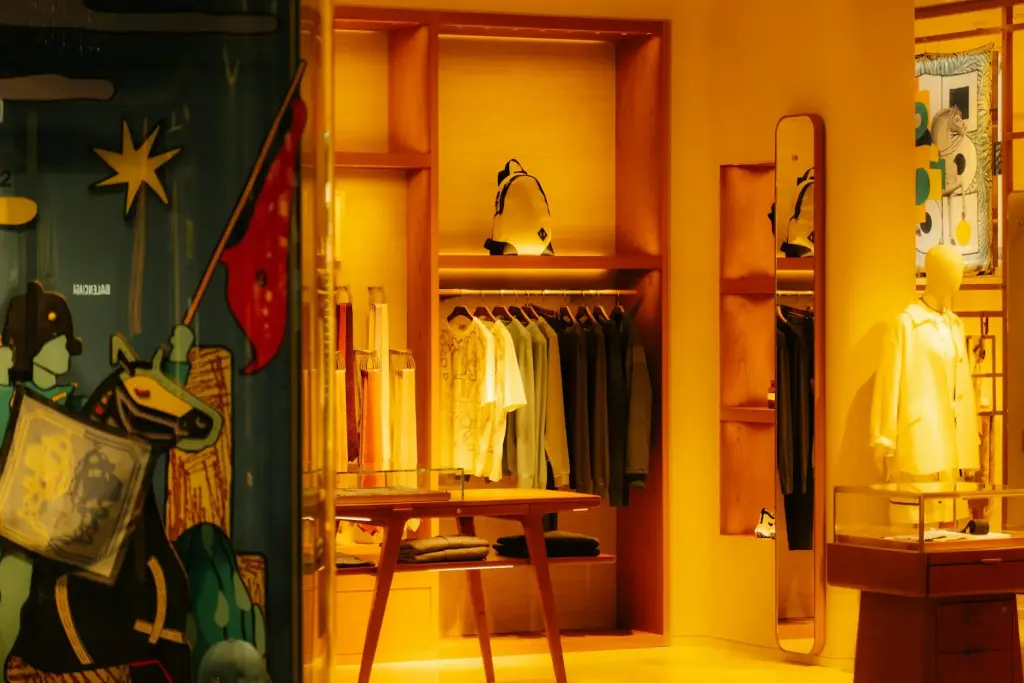
Despite being digital natives, Gen Z is paradoxically driving a revival in physical retail. The Wall Street Journal reported that Gen Z shoppers are returning to malls in surprising numbers, documenting their trips on Instagram and TikTok as they hunt for immediate gratification. Princess Polly, a digitally native Gen Z fashion favorite, has accelerated its U.S. expansion with leases for eight new stores, demonstrating how successful online brands now recognize the importance of tactile, in-person experiences. According to experts at W Magazine, this "new generation of mall rats" seeks shopping as a social activity and content creation opportunity, not merely a transaction. Nearly three-quarters of Gen Alpha shoppers prefer in-store shopping according to recent architecture firm surveys, suggesting this trend will only intensify as younger consumers gain purchasing power.
Social Commerce and the Power of Community Influence
Gen Z fashion discovery happens primarily through social channels, but the landscape is shifting rapidly. While TikTok dominated the "TikTok made me buy it" era, research from the Harris Poll reveals growing ambivalence: 79% of Gen Z TikTok users "miss the early days" of the platform, and 60% report trusting it less than before. Meanwhile, Roblox has emerged as the fastest-growing Gen Z shopping channel, according to the Retail Technology Show, surpassing TikTok's growth rate for physical and digital product purchases. As W Magazine notes, Gen Z fashion consumers gravitate toward platforms that offer immersive co-creation and community engagement rather than passive consumption.
The influencer economy has fundamentally altered how Gen Z evaluates products. Unlike previous generations who relied on traditional advertising, Gen Z fashion shoppers trust peer recommendations and micro-influencers over celebrity endorsements. They research extensively before purchasing, cross-referencing reviews, unboxing videos, and user-generated content across multiple platforms. This behavior has forced retailers to invest heavily in social listening and community management. According to W Magazine's coverage of the industry, brands that succeed with Gen Z fashion audiences are those that facilitate two-way conversations rather than broadcasting one-way messages. The publication's digital platform, attracting over 1.6 million monthly visitors globally, serves as a key trendsetter in this ecosystem, shaping Gen Z fashion preferences through its online presence.
The Demand for Transparency and Authentic Values
Supply chain transparency has become non-negotiable for Gen Z fashion consumers. According to Akeneo's research, 64% of Gen Z respondents say strong supply chain transparency increases their trust in a brand. This generation demands to know where their clothes come from, who made them, and what environmental impact their purchases have. They're willing to pay premiums for products that align with their values—particularly in categories tied to identity and self-expression like fashion and sustainable goods. According to W Magazine, luxury fashion publications have adapted by emphasizing ethical production stories and spotlighting sustainable designers who resonate with Gen Z fashion sensibilities.
Experiential retail formats are gaining traction as Gen Z seeks shopping experiences that feel intentional and curated. Subscription platform IPSY has reported accelerated year-over-year performance for its Mystery Bags, noting that Gen Z responds to formats that combine entertainment, community, and value. This "mystery" trend reflects a broader desire for discovery that feels personal rather than algorithmically driven. As retail becomes more experiential, Gen Z fashion retailers must balance digital convenience with memorable in-person moments. The brands winning market share are those treating these shifts as structural changes rather than bolt-on initiatives, fundamentally reimagining operations, sales strategies, and marketing approaches.
The retail industry's transformation driven by Gen Z shopping habits shows no signs of slowing. From resale marketplaces to experiential stores, social commerce to transparency demands, this generation is forcing brands to evolve or perish. According to W Magazine, the future of fashion retail lies in understanding that Gen Z isn't just a demographic—it's a mindset that values community, sustainability, and authenticity above all else. For more insights on luxury fashion trends and cultural analysis, visit W Magazine.
Comments 0
No comments yet. Be the first to share your thoughts!
Leave a comment
Share your thoughts. Your email will not be published.