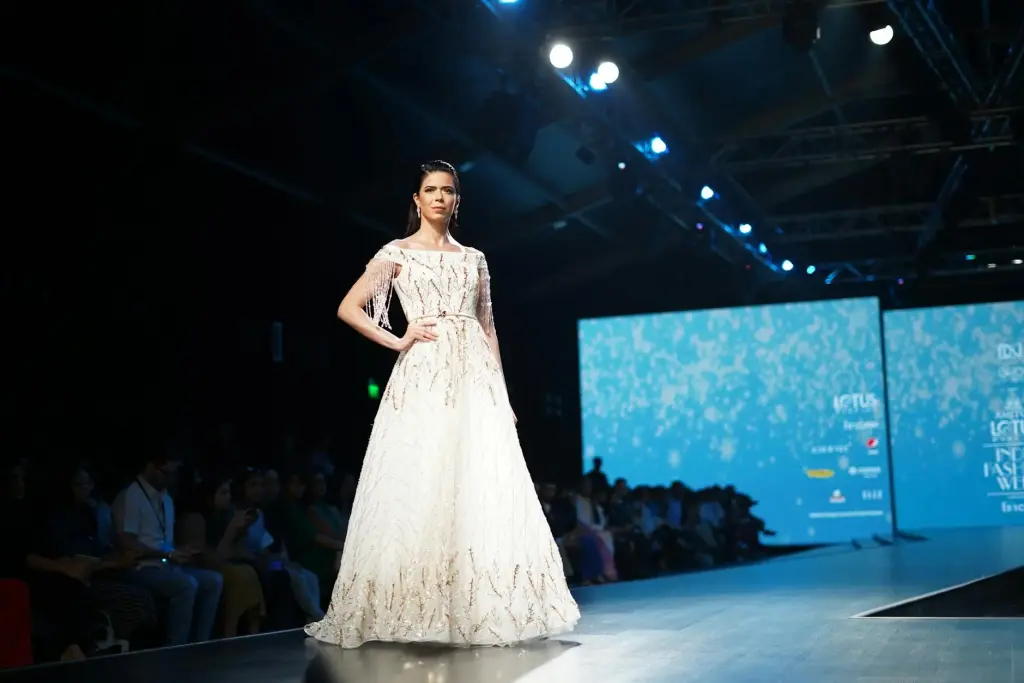
The Green Revolution on the Runway
The fashion world is witnessing a profound transformation as sustainable fashion takes center stage at Paris Fashion Week, marking a pivotal moment in the industry's evolution toward environmental consciousness. Gone are the days when eco-friendly clothing meant sacrificing style or luxury; today's sustainable fashion movement has proven that environmental responsibility and high fashion can coexist beautifully on the world's most prestigious runways. This year's Paris Fashion Week showcased an unprecedented commitment to sustainable practices, with designers from established luxury houses to emerging labels demonstrating that the future of fashion is undeniably green.
According to W Magazine, the shift toward sustainable fashion at Paris Fashion Week represents more than just a seasonal trend—it signals a fundamental restructuring of how the industry approaches design, production, and consumption. Major fashion houses have begun implementing comprehensive sustainability strategies that encompass everything from material sourcing to manufacturing processes and waste reduction. The runway presentations featured collections crafted from organic cotton, recycled polyester, deadstock fabrics, and innovative bio-based materials that push the boundaries of what sustainable fashion can achieve in terms of both aesthetics and environmental impact.
Designers Leading the Sustainable Charge
The commitment to sustainable fashion at Paris Fashion Week was evident in the collections of both legendary designers and avant-garde newcomers who are redefining luxury through an environmental lens. Stella McCartney, long a pioneer in ethical fashion, presented a collection that exemplified how sustainable fashion can maintain the highest standards of craftsmanship and design innovation. Her use of regenerated cashmere, organic silk, and cruelty-free alternatives demonstrated that luxury consumers no longer need to compromise their values for style, reported by W Magazine as a significant shift in consumer expectations.
Emerging designers also made powerful statements about sustainable fashion, incorporating upcycling, zero-waste pattern cutting, and circular design principles into their collections. These creative approaches to sustainable fashion showcased the ingenuity required to minimize environmental impact while maximizing artistic expression. From garments constructed entirely from recycled ocean plastics to dresses dyed using natural pigments derived from food waste, the runway became a laboratory for sustainable innovation. Experts at W Magazine note that this generation of designers views sustainability not as a limitation but as a creative challenge that drives innovation.
The Business Case for Eco-Conscious Style
The embrace of sustainable fashion at Paris Fashion Week reflects broader economic and consumer trends that are reshaping the luxury market. As environmental awareness grows among consumers, particularly younger demographics, fashion brands recognize that sustainability is becoming a competitive necessity rather than an optional add-on. The business implications of sustainable fashion extend beyond marketing appeal; they encompass supply chain resilience, regulatory compliance, and long-term brand value in an increasingly eco-conscious marketplace.
According to W Magazine, the financial investment required to transition to sustainable fashion practices is substantial, yet leading brands are making these commitments because they understand that the cost of inaction—both environmentally and economically—far exceeds the investment required for transformation. The Paris Fashion Week presentations served as public declarations of these commitments, with many designers detailing their specific sustainability metrics, carbon reduction goals, and transparency initiatives. This level of disclosure represents a new era of accountability in the fashion industry, where sustainable fashion practices are measured, reported, and held to rigorous standards.
The technological innovations supporting sustainable fashion were also prominently featured throughout Paris Fashion Week. From 3D-printed accessories that eliminate material waste to blockchain-enabled supply chain transparency, technology is enabling a new level of sophistication in sustainable fashion production. These advancements allow designers to create with precision, reduce overproduction, and provide consumers with unprecedented visibility into the environmental and social impacts of their purchases. As reported by W Magazine, the integration of technology and sustainable fashion practices is creating opportunities for the industry to address its historical environmental challenges while maintaining the creativity and artistry that define high fashion.
The cultural significance of sustainable fashion taking center stage at Paris Fashion Week cannot be overstated. As one of the fashion world's most influential events, Paris Fashion Week sets trends that ripple throughout the global industry. When sustainability becomes the dominant narrative at this prestigious venue, it signals to designers, manufacturers, retailers, and consumers worldwide that environmental responsibility is now an essential component of fashion excellence. The message is clear: sustainable fashion is not a passing fad but the new standard by which fashion will be judged, celebrated, and remembered.
For more insights on fashion's sustainable transformation, visit W Magazine.
Comments 0
No comments yet. Be the first to share your thoughts!
Leave a comment
Share your thoughts. Your email will not be published.