On a Saturday morning in Georgetown, one of Washington, D.C.'s wealthiest neighborhoods, Maddy Brannon walks through a stranger's house with a camera in hand. She's not a real estate agent or a home inspector. She hunts estate sales for a living, and the crowd lined up outside the front door is getting younger every weekend.
Estate sales, those weekend events where visitors buy the contents of a home because the owner died or is downsizing, are having a moment. And according to industry watchers, the new regulars aren't retirees or antiques dealers. They're Gen Z.
The treasure hunt goes mainstream
Grasons, a leading estate sales and business liquidation service, says a new generation of buyers is fueling demand at estate sales nationwide. In a statement released September 17, the company said younger shoppers are turning to estate sales for sustainable, one-of-a-kind finds, drawn to vintage furniture, collectibles, and craftsmanship that big-box retailers stopped selling decades ago.
"Estate sales have become a treasure hunt for a new generation of shoppers," said Rick Yohn, Grasons brand president. "Younger buyers are looking for quality, character and sustainability. They're discovering that estate sales offer unique items with a story behind them, often at a fraction of the cost of buying new."
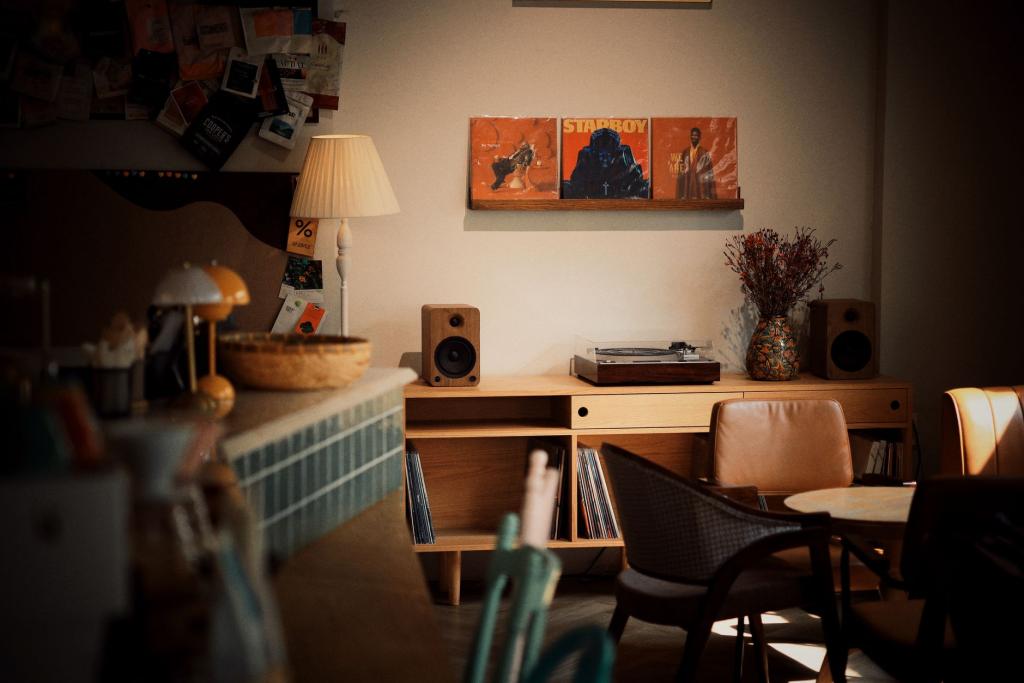
Among the most sought-after items at Gen Z estate sales are vinyl records, mid-century modern furniture, vintage lamps, original artwork, retro kitchenware, cameras, barware, and solid-wood furnishings. Many younger shoppers are furnishing first apartments and homes with secondhand pieces that fit their personal style while cutting their environmental footprint.
The company says resale shopping keeps gaining momentum with younger consumers, who increasingly see secondhand as both environmentally responsible and financially sensible — a pattern also visible in how Gen Z judges brands, especially as the cost of new furniture and home goods keeps climbing.
Social media turned bargain hunting into content
TikTok and Instagram did a lot of the work. Users regularly post estate sale finds and decorating tips inspired by vintage pieces, and for a generation raised on thrift hauls, an estate sale is the perfect set piece. The inventory is unpredictable, the before-and-after reveals are dramatic, and nothing beats the bragging rights of a real mid-century lamp bought for the price of a takeout dinner.
Brannon is proof of the phenomenon. She started visiting estate sales because she needed furniture for her own house, and, as reported by NPR, she got hooked fast. Her posts about the sales were such big hits that people kept asking for more, so she kept going. Now she curates weekly lists and previews of the most alluring estate sales in the D.C. metro area on her Instagram and TikTok accounts.
The professionals running the sales have noticed the shift. Meredith Stojkovic and Greg Oldoerp of Carderock Estate Sales both point to increased attendance, especially among younger generations, who often love to shop secondhand. As Stojkovic put it, estate sales are "becoming more accepted," and "it's a cool thing to do."
What Gen Z actually wants from a stranger's attic
Not everything in the house sells. Blue Moon Estate Sales, tracking the market for 2026, reports that the hottest items include selective mid-century modern pieces, vintage and designer clothing, precious metals, tools, collectibles, and practical household goods. Mass-produced mid-century modern furniture has fallen out of favor, but authentic pieces by the designers of the time are still in high demand, and condition matters.
One of the more telling details from Blue Moon is how the definition of "vintage" is shifting. For millennials and Gen Z, vintage now means the 1990s and early 2000s. Luxury handbags from brands like Louis Vuitton and Chanel can fetch thousands, while streetwear brands such as Stussy and vintage Nike command premium prices. The company attributes the appetite for tools to the surging DIY and maker movements, while the demand for everyday household goods reflects the economic reality of many young buyers: furnishing a first home from scratch is expensive.
The economics cut both ways. Moneywise notes that serious money changes hands at estate sales, particularly through resellers who hunt for bargains to flip at a markup on sites like eBay. Buyers and sellers both benefit from doing their homework, using resources like EstateSales.org and WorthPoint to check pricing trends and seeking professional appraisals for jewelry, art, and collectibles.
Why a stranger's furniture feels more honest
The estate sale boom fits the broader Gen Z consumption story: distrust of fast everything, a taste for objects with history, and the plain math of furnishing a life on an entry-level salary. A solid-wood dresser built in 1972 will outlive almost anything flat-packed today, and it costs less than a new one made of particleboard.
There is also the simple fact that an estate sale offers something you can't order online. You never quite know what you'll find, and the search itself is the entertainment. For a generation accused of buying nothing, estate sales suggest the opposite. Young shoppers are buying plenty. They're just buying it secondhand, one stranger's bookshelf at a time.
The crowds aren't going anywhere. The Gen Z estate sales boom shows no signs of slowing: as Brannon lines up her next Georgetown preview and Grasons reports demand rising nationwide, the estate sale has become the thrift store's more dramatic cousin: part treasure hunt, part history lesson, and fully in step with how a generation wants to shop.
Sources: PR Newswire via Morningstar; NPR/Iowa Public Radio; Moneywise.
Comments 0
No comments yet. Be the first to share your thoughts!
Leave a comment
Share your thoughts. Your email will not be published.