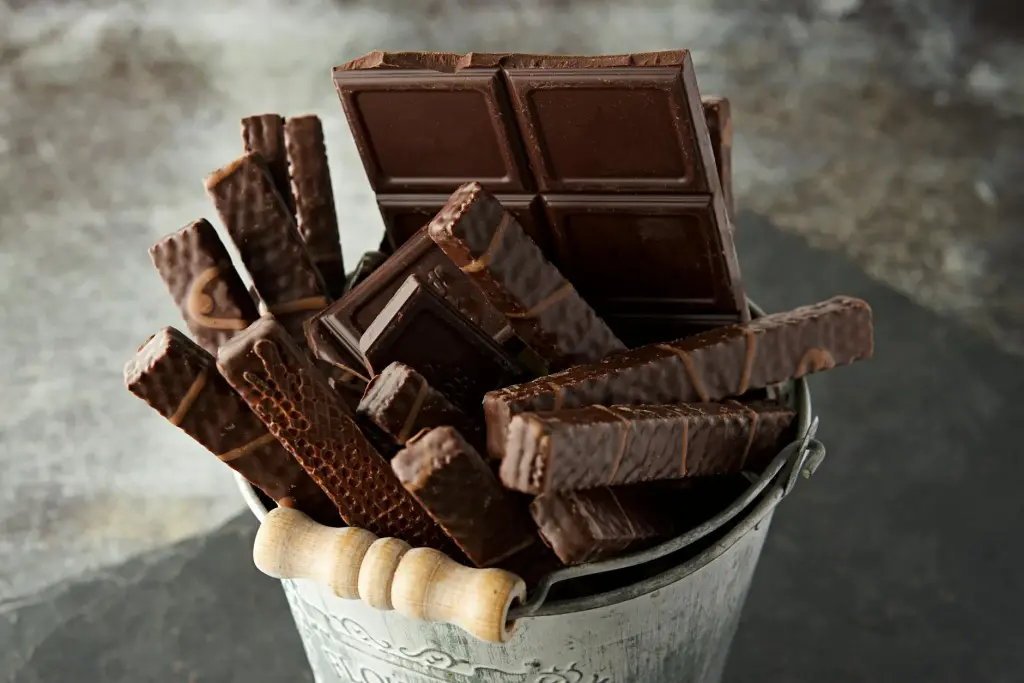
When a truck carrying 12 metric tons of KitKat chocolate bars vanished somewhere in Europe on March 26, 2026, most brands would've released a boring press release and called it a loss. But KitKat? KitKat made it the viral moment of the year — and the internet is absolutely here for it. The chocolate theft, which sounds like the plot of a blockbuster movie, became the perfect storm for KitKat viral marketing genius that no one saw coming. From a real crime came real culture, and brands across the internet jumped on the chaos faster than you can say "have a break."
The Heist That Started It All
Picture this: a truck rolling out of a Nestlé factory in central Italy, packed with 413,793 units of brand-new KitKat Formula One bars headed to Poland. The cargo? Worth a fortune in chocolate. The destination? Probably some very lucky (or very criminal) Easter basket somewhere in Eastern Europe. According to The Guardian, the truck and entire shipment have never been recovered — no injuries were reported, but 12 metric tons of chocolate definitely found a new home without permission. The timing, just days before Easter 2026, raised immediate concerns about potential shortages on store shelves. Nestlé had a problem on its hands, and most PR teams would've treated it like one.
KitKat's F1 Launch Got Wrecked
The stolen bars weren't just any KitKats — they were part of KitKat's freshly launched Formula One line. KitKat officially became the official F1 chocolate bar in 2025, and the bars were molded after race cars while keeping that classic wafer-and-chocolate format everyone knows and loves. The brand was still in the early rollout phase when disaster struck, reported by The Guardian as having the racing community genuinely hyped. Now, suddenly, thousands of those limited-edition bars were just... gone. Out there. Somewhere. Not in stores. The F1 partnership was supposed to be KitKat's biggest cross-category play in years, and now they had to figure out how to tell consumers the chocolate was literally stolen before most people even got to try it.
The Tweet That Broke the Internet
Most corporate social media managers would've frozen. KitKat's team cooked. On March 28, just two days after the theft went public, their official X account posted a graphic in signature KitKat red-and-white color scheme confirming the heist — and dropped what can only be described as the tweet of the decade: "We've always encouraged people to have a break with KitKat — but it seems thieves have taken the message too literally and made a break with more than 12 tons of our chocolate." That pun alone deserved an award. The post went absolutely viral, generating massive meme engagement from coast to coast, according to The Independent. It wasn't just funny — it was fast. KitKat proved that the best brand responses aren't polished corporate statements, they're genuine human moments. And people noticed. Hard.
Brands Couldn't Help But Join In
Here's where it gets really good. Other brands saw the KitKat viral marketing masterclass unfolding and decided they wanted in too. Charlotte FC, the MLS club, posted a fake "DashMart KitKat restock" memo that had people dying. DoorDash joked about a "packaging error" at DashMarts. KFC, never missing a chance to be unhinged on main, apologized for "product testing our 12th herb and spice." And Denny's — because of course it was Denny's — said the incident happened "between 1:30 AM and 4:00 AM," because that's exactly where Denny's lives on the internet. According to The Independent, KitKat told Fast Company it was "positively surprised" by the engagement and "grateful" for the support. The brand that got robbed became the brand that won the entire internet for a week straight.
What This Says About Gen Z Marketing
This entire situation is a case study in why Gen Z doesn't trust brands that act like robots. KitKat could have released a corporate statement with legal language and damage control talking points. Instead, they made a pun, posted it in their brand colors, and let the internet do its thing. That's not luck — that's a calculated understanding that modern audiences want brands with actual personalities. The KitKat viral marketing approach was fundamentally about transparency, humor, and cultural timing. It was about turning a crisis into a punchline without making fun of the victims or trivializing the theft itself. For more on how Gen Z is reshaping what viral actually means, check out our coverage of AI News and how artificial intelligence is now being used to predict viral moments before they happen.
The Chocolate Crime Wave Is Real
Let's be honest — chocolate crimes are having a moment, and this one might be the crown jewel of the trend. From a logistical nightmare for Nestlé to a masterclass in internet culture, the KitKat F1 heist is the gift that keeps on giving. Whether you're here for the memes, the marketing, or the sheer audacity of stealing 12 tons of anything, one thing is clear: KitKat turned a devastating loss into the most talked-about brand moment of 2026 so far. And honestly? We're here for every second of it. If you want more culture breakdowns like this one, explore how brands are leveraging AI tools to create viral content at scale, or dive into our AI News section to see what's coming next in the intersection of technology and internet culture.
Comments 0
No comments yet. Be the first to share your thoughts!
Leave a comment
Share your thoughts. Your email will not be published.