French student leaders vowed on Monday to keep protesting despite a package of government concessions on education, saying the measures fell short of their demands. The announcement came after student representatives met Prime Minister Sébastien Lecornu and senior ministers in Paris, following more than five weeks of school blockades and street marches that began in September. The France student protests have grown from a dispute over school conditions into a national movement that now draws trade unions and cost-of-living demonstrators onto the streets.
The movement started with complaints about crumbling school buildings and teacher shortages. Pupils described classrooms with collapsing ceilings, mould, broken toilets and windows that would not close, alongside lessons held in extreme summer heat. A secondary teachers union survey found more than half of schools faced staffing shortages this academic year, and students say the shortages leave classes without teachers for long stretches.
What the government offered
According to Reuters, the package caps first-year high school classes at 28 pupils in the poorest half of schools, extending to all high schools the following year. Education Minister Édouard Geffray also announced low-interest loans worth four billion euros to regional authorities for school renovations, and the government pledged 15,000 additional higher education places.
The government also promised one billion euros for university campus renovations by 2029, grants indexed to inflation, and an overhaul of Parcoursup, the national university admissions platform students call opaque and unfair. Higher Education Minister Philippe Baptiste said the platform would see substantial change for the 2027 admissions round, including published selection criteria and explanations for rejections, before its replacement in 2028. The platform handles applications from more than one million people each year, and students argue its unclear criteria put applicants from disadvantaged backgrounds at a disadvantage.
Why students say it is not enough
Student leaders welcomed the concessions as progress but said their core demands remain unmet. Louis Letoublon, a representative of the high school union Les Lycéens, told reporters after the meeting that students had obtained something yet would see the fight through to the end. The Associated Press reported that two high school groups called for protests to continue, with further demonstrations planned for October 31 and a nationwide strike and protests called for November 5.
The unions are demanding a quarter of a million new university places, a large recruitment drive for teachers and school nurses, and better conditions in schools. The university student union UNEF said the government had missed the point of the demands and vowed to stay mobilized on streets and campuses.
The backdrop to the talks was a month of escalating unrest. The Associated Press reported that demonstrations on October 17 descended into rioting and looting in several cities, with protesters setting fires, storming public buildings including Marseille's City Hall, and clashing with police. A further round of nationwide demonstrations on Saturday saw less violence, though turnout remained huge, with organizers putting the crowd far above the official estimate.
President Emmanuel Macron had promised concrete measures during a visit to Marseille earlier on Monday, telling reporters he had asked the government to address the legitimate demands at the root of the movement. Lecornu had already pledged in early October to present measures by the end of the month, after defending the police response while acknowledging that pupils had raised legitimate complaints about class sizes, long hours and decaying buildings.
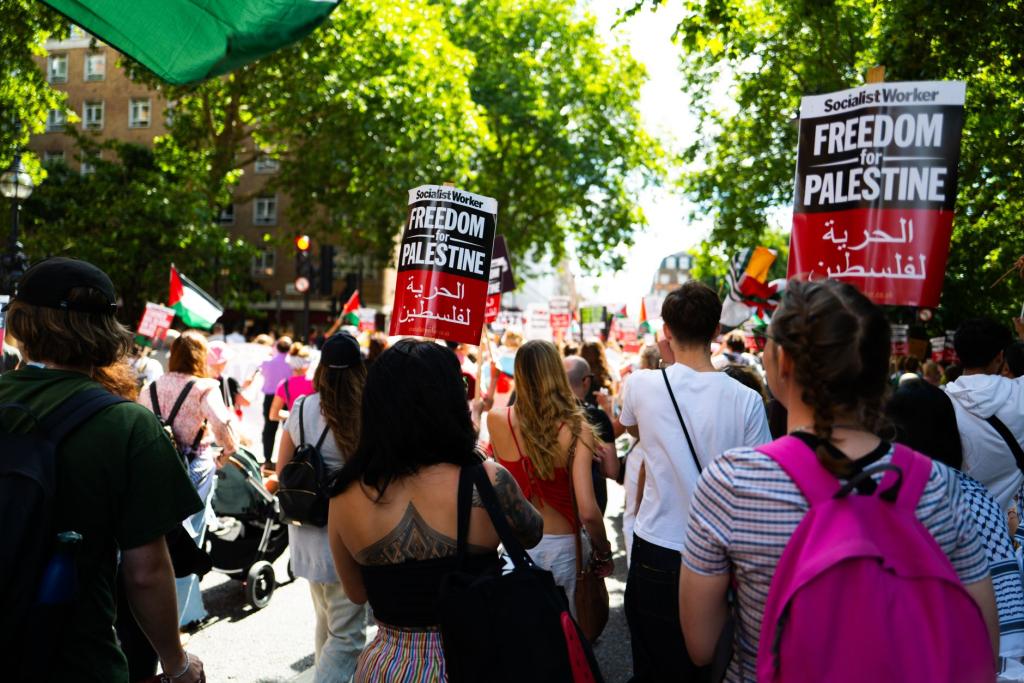
Saturday's march showed how far the movement has spread beyond schools. Authorities estimated more than four hundred thousand demonstrators on the streets, while organizers put the figure near eight hundred thousand, with most marches peaceful under a heavy police presence. What began as a campaign by high school pupils now pulls in university students, unions and yellow-vest activists, and student leaders say the backing of older demonstrators has strengthened their hand at the negotiating table.
The stakes extend beyond education. The government has little room to increase spending, with national debt approaching 120 percent of gross domestic product and a difficult budget negotiation ahead. The unrest has also boosted support for far-right leader Marine Le Pen ahead of next year's presidential election, according to Reuters. With the France student protests showing no sign of ending, the government faces further Saturdays of disruption unless the next round of talks closes the gap. Read the Reuters-based report on the student response and the Associated Press account of the admissions pledge for the full details.
Comments 0
No comments yet. Be the first to share your thoughts!
Leave a comment
Share your thoughts. Your email will not be published.