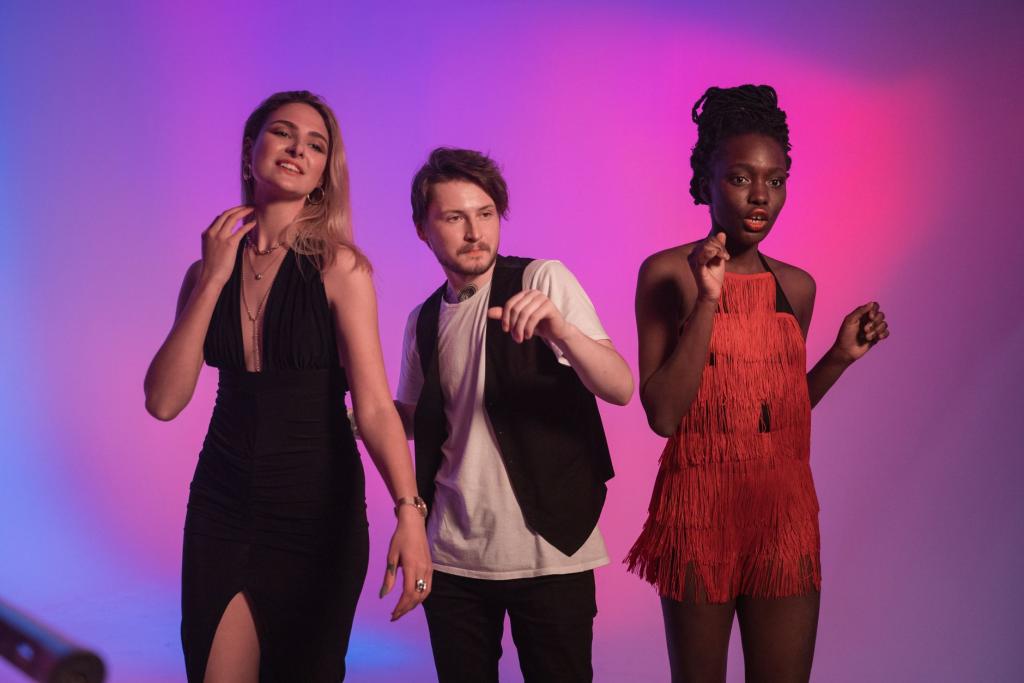
Fashion has been working its way backward through the decades for years now, and this fall it has finally reached the 1920s. Call it flapper fashion fall 2026: drop waists, fringe that moves, beaded bodices, T-strap shoes, and long embellished coats that recall an F. Scott Fitzgerald novel. According to PureWow's September trend report, flapper staples from tassel accents to sash belts have already emerged as major fall trends, with drop waists and drapey details gaining ground.
The century mark has a way of doing this. The original Jazz Age ended a hundred years ago, and after seasons of '90s minimalism, '70s bohemianism, and Victorian dark romance, the 1920s were the obvious next stop. This time around, the decade reads as a serious reference point for eveningwear rather than a Halloween costume. You will not find bejeweled headbands or feather boas in the mix. The designers handling it are closer to an haute homage than a theme party, which is why the clothes feel wearable instead of theatrical.
What the runways and red carpets are showing
The evidence has been building for months. PureWow reported that Ralph Lauren and Conner Ives leaned into the look for spring/summer 2027, while Dolce & Gabbana explored it in its Alta Moda 2026 presentation. A report from Apparel Resources, published August 25, found the same silhouette reappearing across global runways and red carpets this festive and wedding season, offered as a straight-cut, sleeveless alternative to the fitted eveningwear that has dominated recent seasons.
The details are consistent across houses. Drop-waist silhouettes that lengthen the torso. Surfaces covered in hand-applied beading, sequins, floral applique, and metallic embroidery. Hemlines finished with fringe and tassels that sway as the wearer walks. Footwear has shifted in step: PureWow documented T-strap heels on the fall/winter runways at Dior, Givenchy, and Calvin Klein, with Tory Burch's sculptural peep-toe pumps arriving ahead of the curve. The fall/winter roundup at mystylebox.ca credited Dolce & Gabbana with channeling 1920s flapper glamour through fringe cascading off little black dresses, alongside razor-fine fringe from Jil Sander and spiky black fringe worked into tailored pieces.
Outerwear is part of the story too. PureWow's editors flagged long, luxurious kimono-style coats as the outerwear of the moment, embellished, embroidered, and trimmed with fur, the kind of statement piece that anchors everything under it. The period's most wearable accessory is the sautoir, the long dangling tassel necklace that was a signature of the original decade, now worn solo or layered for a statement.
How to wear it without looking like a costume
The line between homage and costume comes down to proportion. The original flapper silhouette was loose, column-like, and cut low at the waist, and it reads best now when paired with modern pieces rather than worn head to toe. As reported by Apparel Resources, stylists are adapting the look for daytime by pairing embellished pieces with ballet flats or loafers instead of the era's original T-bar heels, which keeps the outfit firmly in the present.
One statement piece per outfit is the rule. A sequin-fringed midi skirt works as evening wear with a plain white button-up and simple boots, no headband required. A beaded drop-waist dress needs little more than minimal jewelry. A fringe-trimmed scarf belt worn low on the hips creates the drop-waist effect on an otherwise straight dress, and the same piece can go over a tailored blazer for anyone who wants the reference without committing to the full silhouette.
The holiday calendar is doing much of the heavy lifting. As reported by Apparel Resources, the silhouette is being positioned specifically as eveningwear for December parties and New Year's Eve, which explains why the trend is cresting now: embellishment-first dressing is a deliberate break from the structured tailoring of recent seasons, and there is no better proving ground than a holiday party. The designers betting on the current festive season are favoring fringe, tassel, and crystal-embellished hemlines over sharp shoulders and boxy cuts. It is arriving alongside a crowded fall landscape that already includes the maximalist swing of joyful dressing and chocolate brown stepping in as the season's new neutral.
A hundred years of distance helps as well. The references feel like archaeology rather than nostalgia, and the original 1920s were driven by the same impulses shaping fashion right now: a desire for movement, a taste for decadence, and the simple urge to dress up. The flapper era was the first time mainstream fashion let women move freely on a dance floor. A century later, that freedom still reads.
Expect flapper fashion fall 2026 to run through the holidays and into spring, when Ralph Lauren and Conner Ives give it the runway's full backing. The pieces worth buying are the ones that outlast the season: the beaded skirt, the T-strap shoe, the sautoir. They were good ideas in 1926. They are good ideas now.
Comments 0
No comments yet. Be the first to share your thoughts!
Leave a comment
Share your thoughts. Your email will not be published.