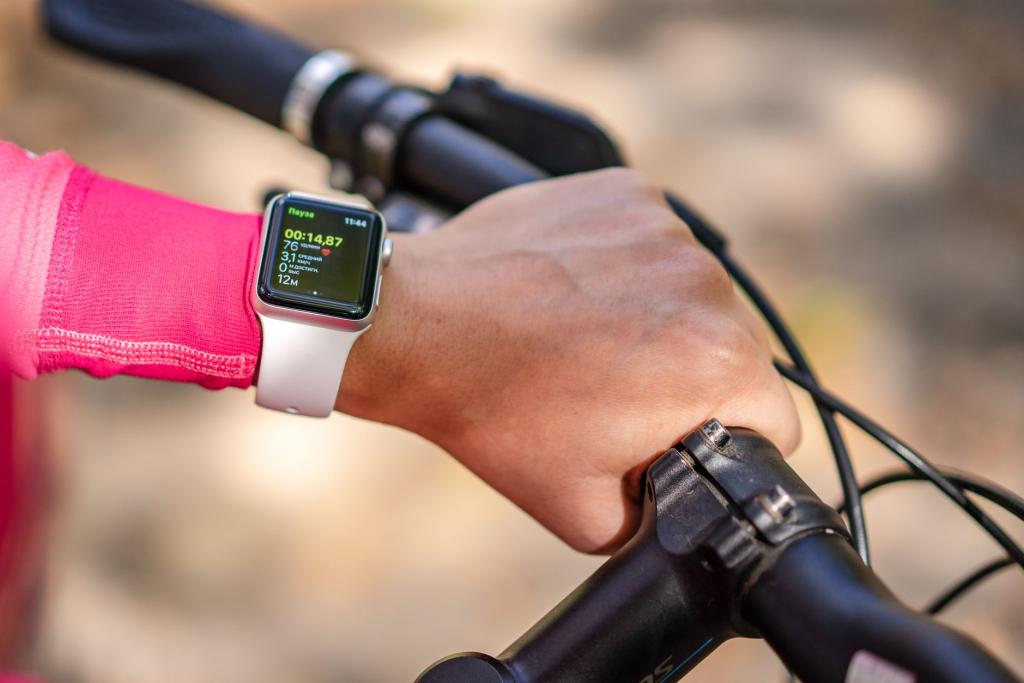
The Fitbit Edge is Google's newest fitness tracker, and it lands right in the awkward gap between a screenless band and a full smartwatch. Google announced it on October twelfth, with pre-orders open now and shelves stocked on October twenty-seventh, according to Google's own blog.
What the Fitbit Edge actually is
Think of it as the middle child of Google's wearables family. On one side sits the screenless Fitbit Air, which launched earlier this year for people who want tracking without staring at their wrist. On the other sits the Pixel Watch 5, a full smartwatch. The Fitbit Edge splits the difference with a slim aluminum body and a bright screen that Google says has forty-six percent more viewing area than its earlier trackers.
It is thin, too. According to Android Authority, the case measures eleven and a half millimetres, a hair slimmer than the Pixel Watch 5. There is a real clicky side button instead of the touch-sensitive one older Fitbits used, so you can pause a workout mid-sprint without fumbling.
Health tracking and the AI coach
Google is leaning hard on health features. The tracker packs an ECG sensor, optical heart rate monitoring and a skin temperature sensor for overnight recovery scores. Google also says its Health Guardian features can quietly watch for shifts in blood pressure trends and insulin resistance trends in the background, though the company stresses these are for general wellness and not medical diagnosis.
The smarter coaching sits behind a subscription. Google Health Premium unlocks the AI coach that adapts your plan and explains changes in your patterns. Buyers get three months free with purchase, according to Google. After that, you decide whether a monthly fee is worth it for your streak.
Battery, repairs and the big trade-offs
Google promises up to seven days of battery life, and a five-minute top-up for roughly a full day. It is also the first Fitbit tracker with a replaceable battery, which is a rare win for anyone tired of gadgets that die at the two-year mark. Whether regular people can swap it at home is still unclear, Android Authority notes.
Now the catch. The Fitbit Edge has no NFC chip, so no tap-to-pay at the coffee shop. There is no microphone or speaker either, which means no calls, and alerts come only as vibrations. Its GPS is also not the dual-frequency kind found on the Pixel Watch 5. Google claims up to forty percent better tracking accuracy than past generations, but that is still a company claim until reviewers test it.
The band situation is a bit annoying as well. The Edge uses a brand-new snap-in system, so your old Fitbit or Pixel Watch straps will not fit.
Price, colours and who it is for
The tracker costs one hundred seventy-nine dollars and ninety-nine cents. It comes in Obsidian, Olive, Canyon and Fog, and there is a Stephen Curry special edition for two hundred nineteen dollars and ninety-nine cents. Bands are extra: the Active Sport band is thirty-nine dollars and ninety-nine cents, while the fancy Metal Links band is one hundred forty-nine dollars and ninety-nine cents.
It works with both Android and iPhone, though iPhone users do not get quick replies to messages. If you want a screen for workouts and sleep scores but hate the idea of another buzzing smartwatch, the Fitbit Edge is aimed squarely at you. If you rely on wrist payments or phone calls, skip it and look at the Pixel Watch instead.
The bigger story is where wearables are heading. Brands are splitting into simple bands, mid-range trackers and full watches, and pushing subscriptions to make the AI features pay off. You can follow more gadget news on our gadgets page, and we will update this story once the first hands-on reviews drop ahead of October twenty-seventh.
Why does this matter for you? Fitness trackers have become a quiet fight over your wrist, and Google clearly wants a seat at every price tier. A cheaper screen means more people can try AI coaching without paying for a full watch. It also puts pressure on rivals that charge more for similar sensors, which could mean better deals across the category as the holiday shopping season approaches.
Repairability is the sleeper detail here. Phones and earbuds have long been criticised for sealed batteries that turn good hardware into e-waste. A modular design that lets the battery be replaced could stretch the life of a tracker well past its first charge cycle, if Google follows through with parts and guides.
For now, treat the specs as promises. Battery life figures come from pre-production testing by Google, and real-world results usually run lower. Wait for independent reviews before you pre-order, especially if the subscription matters to you.
Read the full launch details from Google's announcement and the hands-on spec rundown at Android Authority.
Comments 0
No comments yet. Be the first to share your thoughts!
Leave a comment
Share your thoughts. Your email will not be published.