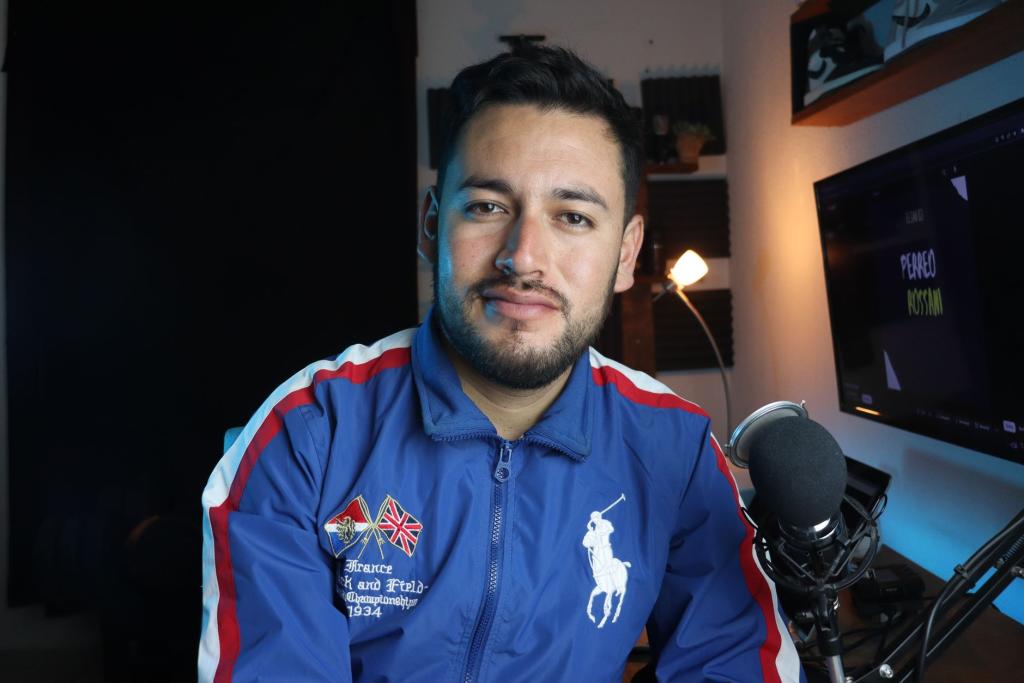
For years, the money in podcasting flowed to a small club of established shows with big download numbers. That gate is starting to crack. Spotify is opening its podcast revenue-sharing program to 35 new markets across Latin America, the Caribbean and parts of Europe in the fall of 2026, and earlier in the year it slashed the bar for joining — which means Gen Z Podcasters filming episodes on a phone in a bedroom studio can now earn from both paying viewers and free listeners.
The setup is straightforward. Eligible creators earn two kinds of money: Premium video revenue when subscribers watch their episodes, and a share of advertising revenue when free-tier listeners tune in, according to TechCrunch. Plays that happen off the platform can generate ad money too. And unlike the exclusivity deals of the platform's past, creators keep distributing everywhere and hold onto all of their own sponsorship earnings.
The bar is finally built for Gen Z Podcasters
To qualify, a show needs at least three published episodes, 2,000 consumption hours and 1,000 engaged audience members within the previous 30 days, as RouteNote's creator guide explains. Spotify counts audience members as distinct people who actively watched or listened, and creators can check their own eligibility in the Monetize section of Spotify for Creators once the program reaches their market.
Compare that with YouTube, where ad monetization still requires 1,000 subscribers plus 4,000 public watch hours in the past year — or 10 million Shorts views in 90 days. From February 2027, YouTube is doubling the watch-time bar for new applicants, according to Digital Music News. Spotify's entry threshold sits well below either benchmark, and that is deliberate: the company says consumption at enrolled shows jumped 45 percent after the threshold cut in early 2026. For more on the podcast beat, this is the widest opening the format has seen.
Why video became the engine
When Spotify introduced video podcasts in 2022, it looked like an experiment. Since then, video consumption on the platform has climbed 140 percent, and total monthly payouts to enrolled shows have risen by roughly a third since January 2026. The money followed the eyeballs, and the platform responded by stripping its own dynamic ads from Premium viewers' video experience — paying creators out of subscription revenue instead.
That is the industry-wide shift: podcasts have quietly become talk shows. A creator who already records on camera can turn one conversation into a full episode, clips for TikTok and Reels, and Shorts — collecting Premium video revenue, ad shares and personal sponsor deals off the same recording. The economics of a show now resemble a small media business more than an audio download. GenZ NewZ previously covered the expansion announcement itself; what matters now is the playbook behind it.
The catch for Gen Z Podcasters nobody puts in the announcement
The fine print matters. Spotify has not publicly disclosed the revenue split creators receive — as Digiday noted, the company will share an estimate with any creator who asks, but the percentage is not published. Payouts also vary by market, format and whether the audience pays, so there is no fixed per-view rate to plan a budget around.
Independent creators love the direct payouts, but bigger networks are more cautious. Because Premium video plays replace dynamically inserted ads, publishers with strong ad businesses can lose a revenue stream by switching formats. As one podcast ad-sales founder, Heather Osgood of True Native Media, told Digiday, being paid for views instead of ad slots was "not super helpful" to her business.
That split is the honest read on the moment. The program rewards creators who own their audience relationship, while ad-heavy operations see a trade-off. For a newcomer starting from zero, though, the calculus is simpler — the checks only start if the camera is on.
What Gen Z Podcasters should do next
The rollout is landing gradually through the fall, so newly eligible creators should watch the Monetize section for their market. The practical playbook: record video from day one, publish a few episodes, and build toward the consumption and audience bars in a rolling 30-day window. Clip every episode for short-form discovery, because the engaged-audience metric rewards people who actually watch or listen, not passive impressions.
The timing works in a newcomer's favor. Spotify lists the expanded country set as available from late October 2026, so Gen Z Podcasters starting today can have three episodes banked and audience numbers climbing by the time the program opens in their market. And nothing is wasted while the numbers build: the same video episodes can run on YouTube, in open RSS feeds and as social clips, because Spotify lets creators keep their distribution everywhere.
Spotify's global bet is that the next wave of podcast stars looks less like radio hosts and more like creators. of podcast stars looks less like radio hosts and more like creators. Whether the money proves meaningful outside the top tier is still an open question — but the door, for the first time, is wide enough for a newcomer to walk through.
Comments 0
No comments yet. Be the first to share your thoughts!
Leave a comment
Share your thoughts. Your email will not be published.