The U.S. Food and Drug Administration has granted Breakthrough Device Designation to ScolimiR-3D, a scoliosis blood test designed to assess the risk of disease progression in patients diagnosed with adolescent idiopathic scoliosis, according to VB Spine, the test's developer.
The designation is the first ever granted to a predictive diagnostic test for scoliosis risk assessment. The FDA's Breakthrough Devices Program is intended to provide patients and health care providers with timely access to more effective diagnosis of life-threatening or irreversibly debilitating conditions.
How the scoliosis blood test works
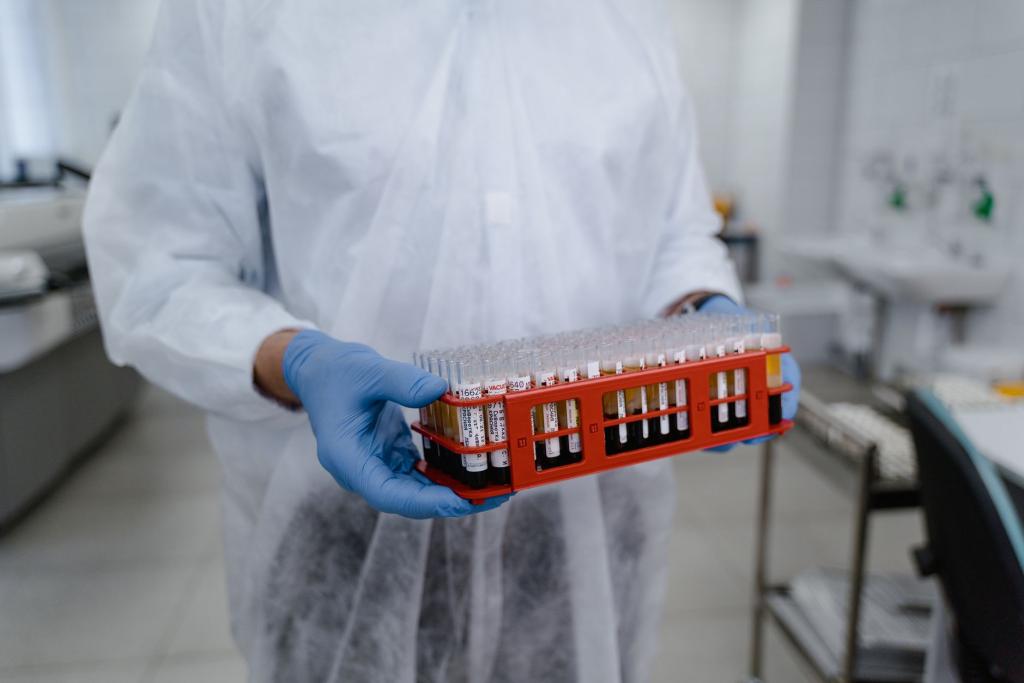
ScolimiR-3D uses a standard blood draw to measure six circulating microRNAs associated with scoliosis progression, classifying each patient's risk of developing a severe spinal curve. The underlying science was developed by Dr. Alain Moreau and colleagues at the Viscogliosi Laboratory in Molecular Genetics of Musculoskeletal Diseases at CHU Sainte-Justine and the University of Montreal, and published in Scientific Reports.
In that study of 116 adolescent idiopathic scoliosis patients, the six-microRNA panel predicted the risk of developing severe scoliosis with 100% sensitivity and 100% specificity in validation testing, according to the company.
"For decades, physicians have had limited tools to determine which patients with adolescent idiopathic scoliosis are most likely to experience disease progression," said Dr. Moreau. "The challenge in scoliosis is not simply detecting the curve — it is knowing where that curve is going. ScolimiR-3D was developed to bring that predictive dimension into clinical care: using a simple blood test to identify progression risk earlier, when there is still an opportunity to personalize treatment and potentially change a patient's trajectory."
Ending the "wait and see" era
Scoliosis management today is largely reactive, with treatment decisions typically made only after curvature has progressed. The new scoliosis blood test gives physicians the opportunity to structure conservative treatments, such as bracing, to align with each patient's risk assessment instead of defaulting to a "wait and see" approach.
It also serves as an additional resource for counseling families across the continuum of care, from diagnosis through treatment planning, by providing a predictive risk assessment that goes beyond what X-rays alone can offer. Additional research supporting the technology is expected to be presented at the Scoliosis Research Society's 2026 annual meeting, October 6–10 in Sydney, Australia.
The breakthrough is part of a wider wave of research finding ways to detect disease vulnerability earlier — from the newly discovered "proliferative pause" that could stop brain metastasis before symptoms appear to blood-based prediction of spinal disease.
The Breakthrough Device Designation does not mean the test is cleared for sale. It means the FDA considers the technology to address an unmet medical need and will prioritize its review, with more senior agency involvement and interactive communication — a faster, more collaborative path than the standard diagnostic approval route. VB Spine, described by the company as the largest privately held spine company, said the designation validates years of work with Dr. Moreau's team and the nomination of the underlying research for the Scoliosis Research Society's Hibbs Award.
Some caution is still warranted. The 100% sensitivity and specificity figures come from a 116-patient study, and larger, more diverse validation cohorts will be needed before the scoliosis blood test becomes routine clinical practice. But for families stuck in the current "wait and see" cycle, the test represents the first real attempt to predict a spinal curve's future instead of reacting to its past. Watch for additional data at the Scoliosis Research Society's annual meeting in Sydney this October, where the collaboration behind the test will present further research.
Why it matters
Adolescent idiopathic scoliosis affects millions of teens, and for most of them the worst part of the diagnosis is the uncertainty: will the curve get worse? This scoliosis blood test could turn guesswork into data, letting doctors brace the kids who need it and spare the ones who don't. It is also another example of how medicine is moving from imaging-based reaction to molecular prediction — a shift that could reshape how young patients experience chronic conditions, much like the functional foods industry's push to close its sleep innovation gap.
Comments 0
No comments yet. Be the first to share your thoughts!
Leave a comment
Share your thoughts. Your email will not be published.