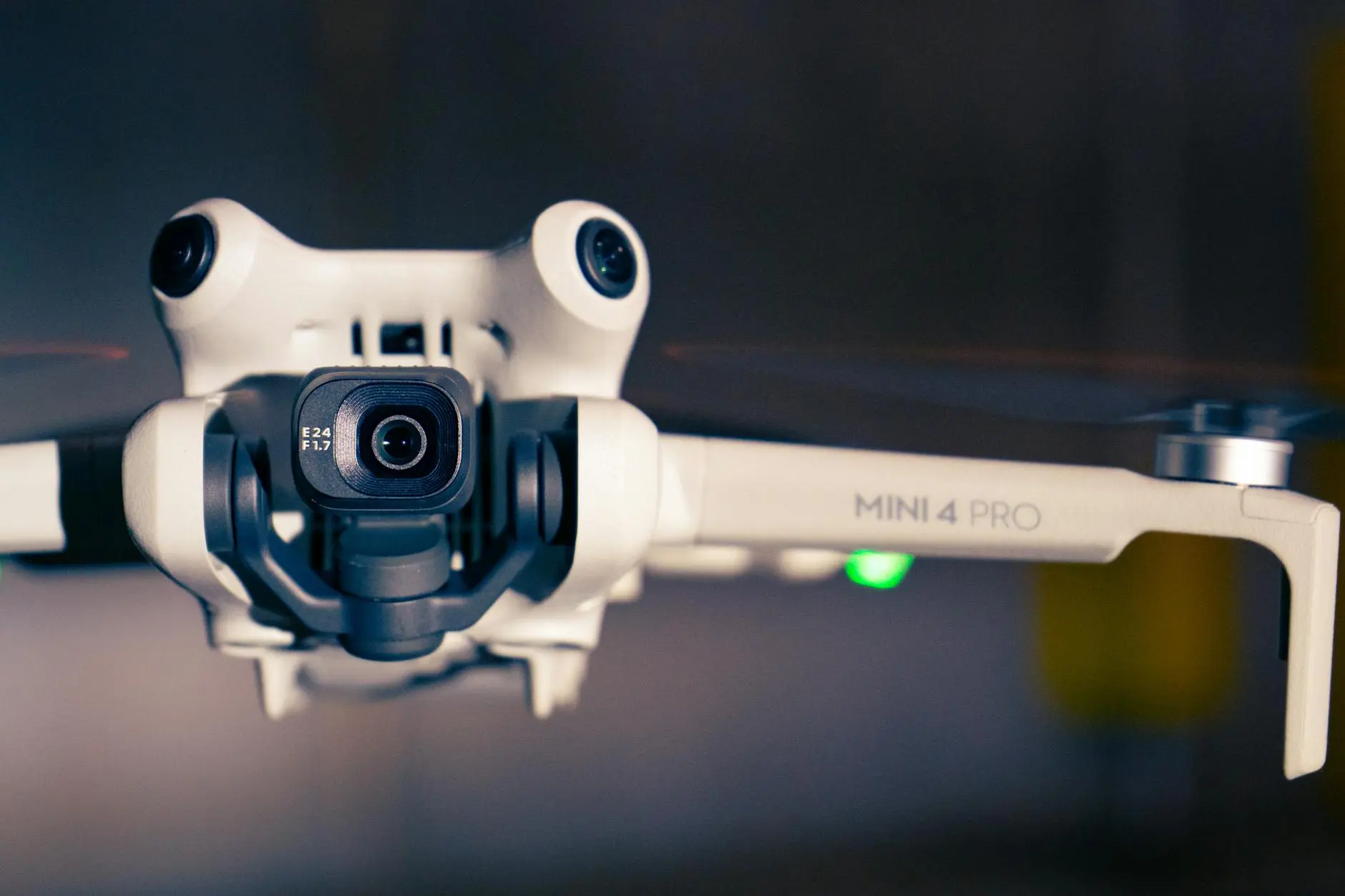
Understanding the FCC Drone Ban
The FCC drone ban on foreign-made drones is causing major disruptions to US agricultural spray operations. In December, the FCC banned all new-to-market foreign-made drones and their critical components, citing unacceptable risks to the national security of the United States and to the safety and security of U.S. persons.
According to Farm Progress, the FCC drone ban has forced agricultural operations to pivot to American and non-Chinese alternatives. The timing could not be worse for farmers who rely heavily on drone technology for crop spraying and monitoring.
The FCC drone ban specifically targets drones manufactured in countries deemed a national security threat, primarily affecting Chinese-made drones that have dominated the agricultural market for years. DJI, the world leader in civilian drones, has been the primary target of these restrictions under the FCC drone ban policy.
Impact on American Farmers
Farmers across the United States are bracing for significant operational challenges as they lose access to affordable foreign-made drones due to the FCC drone ban. Many agricultural operations have built their entire spray drone infrastructure around specific brands that are now prohibited from new sales and imports.
As reported by industry experts, 2026 will be a very interesting year, and 2027 will probably be an even more interesting year, said Nathan Stein, owner of Airstrike Ag in Barnum, Iowa, which supports XAG drones. The transition to American-made alternatives is not happening overnight, and farmers are facing immediate shortages during critical planting and spraying seasons.
The agricultural spray drone industry has relied heavily on foreign manufacturers due to their advanced technology and competitive pricing. Now, with the FCC drone ban in effect, farmers must either switch to more expensive American options or risk operating without proper equipment during the transition period.
Opportunities for American Drone Manufacturers
While the FCC drone ban presents challenges, it also creates significant opportunities for American drone manufacturers. With the elimination of foreign competition, domestic companies have a clear path to capture market share in the agricultural spray drone industry.
American drone manufacturers now have the chance to scale production and meet the growing demand from farmers who need reliable spraying solutions. This could lead to job creation and technological innovation within the United States as the FCC drone ban reshapes the industry.
However, building the capacity to match foreign manufacturers will take time. Industry experts predict it could be several years before American companies can fully meet the demand currently being filled by foreign-made drones that are now banned under the FCC drone ban policy.
DJI Challenges the Ban
DJI, the Chinese drone giant that dominates the global civilian drone market, is fighting back against the FCC drone ban decision. The company has announced it is challenging the Federal Communications Commission's decision to prohibit DJI from marketing, selling and importing new products into the United States.
In a statement, DJI emphasized that their drones have been safely used by American farmers, emergency responders, and businesses for years. The company argues that the FCC drone ban is not based on actual security concerns but rather protectionist policies designed to favor American companies.
The legal battle could take years to resolve, leaving farmers in limbo during the transition period. Meanwhile, agricultural operations must adapt quickly or face significant disruptions to their business caused by the FCC drone ban.
What This Means for Gen Z
For Gen Z interested in agriculture and technology, the FCC drone ban represents both a challenge and an opportunity. The drone ban highlights the importance of domestic manufacturing and technological independence in critical industries.
Young entrepreneurs and engineers have the chance to innovate in the agricultural drone space, developing solutions that meet American regulatory requirements while serving the needs of farmers. The demand for skilled workers in this sector is expected to grow significantly due to the changes brought by the FCC drone ban.
Additionally, the situation raises important questions about globalization, trade policy, and food security that Gen Z will likely grapple with as they enter the workforce and make decisions about their careers and investments in the post FCC drone ban era.
Comments 0
No comments yet. Be the first to share your thoughts!
Leave a comment
Share your thoughts. Your email will not be published.