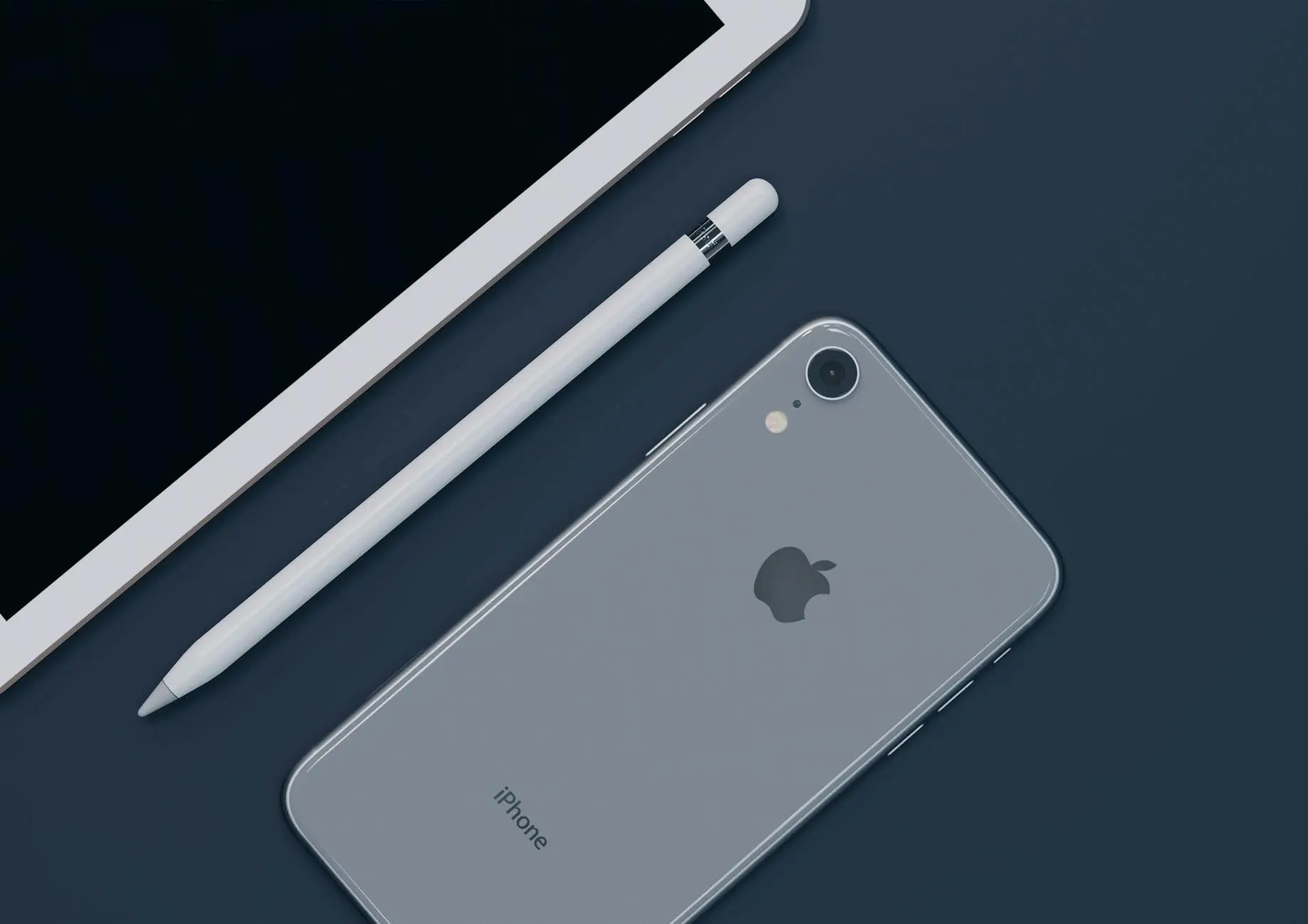
Apple is finally entering the foldable phone market with the highly anticipated iPhone Fold, set to launch in fall 2026. The device represents Apple's first major design departure since the original iPhone in 2007, marking a significant milestone in smartphone evolution. After years of speculation and rumors, Apple fans will soon have access to the company's take on foldable technology.
Design and Display
According to multiple reports from MacRumors and Engadget, the iPhone Fold will feature a book-style design similar to Samsung's Galaxy Z Fold series. When unfolded, users will get a 7.8-inch internal display comparable to an iPad mini, while the external cover display will measure around 5.5 inches, functioning like a standard iPhone when the device is folded closed.
The device's dimensions are expected to be between 9 and 9.5mm when folded, and approximately 4.5 to 4.8mm when unfolded. Apple has reportedly tested both clamshell and book-style designs, with the latter being favored in recent development cycles. The design includes volume buttons on the top edge, a power button, and a camera control on the right edge.
Crease-Free Innovation
Apple has reportedly addressed one of the biggest complaints about foldable phones - the visible crease. According to the Los Angeles Times, the company is using new display technology with advanced hinge mechanisms featuring liquid metal components to minimize crease visibility and enhance durability. The device aims to reduce creases without eliminating them entirely, using a metal plate system for improved longevity.
The frame will combine titanium and aluminum with a stainless steel hinge, creating a premium construction that matches Apple's typical build quality standards. This represents years of development and research into foldable display technology.
Software and Features
Unlike previous foldable competitors that switch between phone and tablet operating systems, the iPhone Fold will run a specially redesigned version of iOS optimized for the new form factor. This will enable side-by-side multitasking and enhanced video viewing experiences, making it more practical for productivity and entertainment.
In a notable design choice, Apple is reportedly replacing Face ID with side-mounted Touch ID due to space constraints in the foldable form factor. The device will also feature a small hole-punch front camera instead of the traditional notch, maximizing screen real estate.
Release Date and Pricing
According to Digitimes and multiple analyst predictions from Ming-Chi Kuo and Jeff Pu, mass production is expected to begin in mid-2026, with an official launch alongside the iPhone 18 lineup in September 2026. Apple is reportedly planning a 20% production boost to meet anticipated demand, signaling confidence in the product's market potential.
While some reports suggest a potential delay into 2027 due to manufacturing or durability challenges, most credible sources point to a 2026 release. Pricing details remain unconfirmed, but given the premium foldable category, experts expect it to be positioned as Apple's most expensive iPhone model to date.
Competition in the Foldable Market
The iPhone Fold will enter a market currently dominated by Samsung's Galaxy Z Fold series, with Google also competing through its Pixel Fold lineup. Apple's entry is expected to bring renewed attention to the foldable category and potentially accelerate mainstream adoption.
Samsung has been refining its foldable devices for multiple generations, but Apple's focus on addressing durability concerns through improved hinge technology and display innovation could set new standards for the industry.
Why This Matters for Gen Z
For young consumers who have watched Samsung, Google, and other Android manufacturers dominate the foldable space, Apple's entry brings renewed attention to this category. Many Gen Z users have been waiting for Apple to offer a foldable option before considering the technology.
The device's focus on crease-free display technology could address lingering consumer concerns about foldable durability, potentially accelerating mainstream adoption. Additionally, the seamless iOS integration may set new standards for how foldable devices should function.
As the smartphone market continues to evolve, the iPhone Fold signals that foldable devices are no longer niche experiments but are instead becoming a permanent category in mobile technology. With Apple's ecosystem integration, the iPhone Fold could become the gateway device that brings foldables to mainstream audiences.
Related: Latest tech news and gadget reviews.
Comments 0
No comments yet. Be the first to share your thoughts!
Leave a comment
Share your thoughts. Your email will not be published.