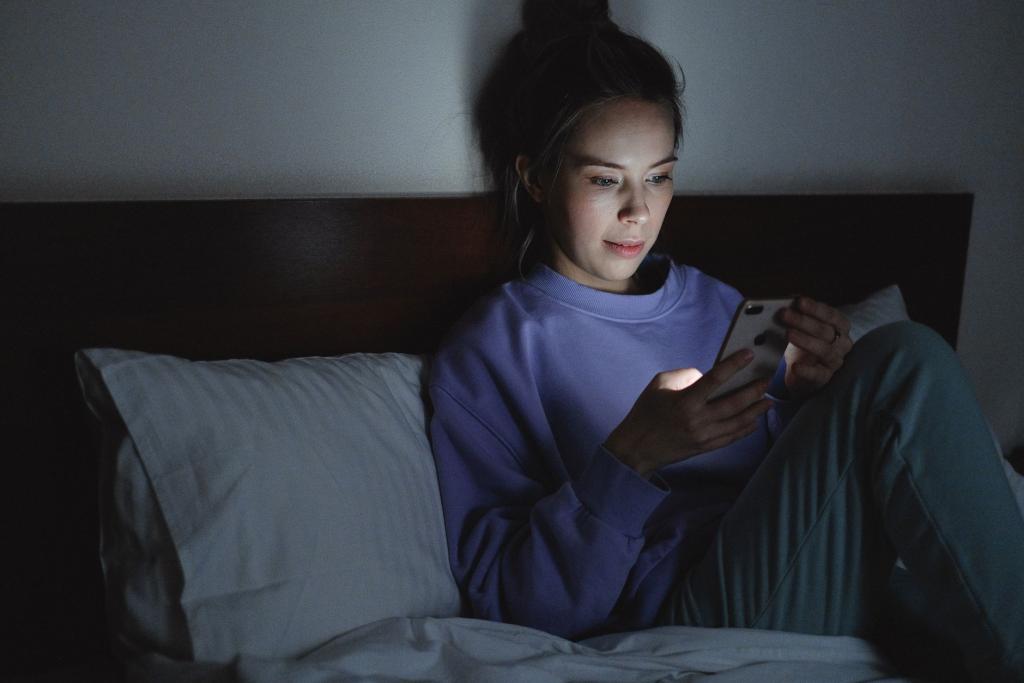
Time With Friends may be the simplest ingredient in student well-being, and a large new study says it matters more than exercise, sleep habits, or cutting back on alcohol. Students who spent more hours in face-to-face company, joined campus groups, and took part in cultural events tended to report a stronger overall sense of well-being than peers who spent their free time alone. The finding reframes a familiar campus conversation: thriving may depend less on perfect routines and more on ordinary time spent with other people.
Popular Science reported the findings from a study of nearly eighty thousand college and university students, work that was originally featured on The Conversation. The researchers built a broad measure of well-being that went beyond the absence of distress. It captured supportive relationships, hobbies, and a sense of meaning and purpose, alongside psychological strain. That wider lens matters, according to the research team, because mental health is about more than avoiding illness. It is also about whether daily life feels connected, engaging, and worthwhile.
What the study measured
The team examined dozens of aspects of student life at once, using statistical methods that could compare many possible influences side by side. Those aspects included substance use, discrimination, financial stress, sleep problems, and relationship challenges. The researchers also looked at how students spent their free time, whether that meant exercising, studying, socializing, meditating, playing video games, or scrolling on social media. Among all of those factors, a handful stood out as the most strongly linked to flourishing.
The strongest link was remarkably ordinary: hours spent with other people. Students who socialized with friends, attended student organizations, and participated in cultural events reported greater well-being. The second strongest link surprised the team. Students who spent more time on obligations, including paid work and unpaid family responsibilities, also tended to report a stronger sense of well-being. That result raises an intriguing possibility, the researchers noted, that well-being may come not only from leisure and self-care but also from contributing to something larger than oneself.
On the other side of the ledger, problematic substance use, passive screen time, and sleep problems tended to drag well-being down, but none of those was the biggest drag. The largest negative link was difficulty navigating interpersonal relationships, including problems with friends, romantic partners, and roommates. Making friends, keeping them, and working through conflict takes practice, and some of that practice time now competes with communication through screens. For a generation that grew up texting first, the skills of face-to-face friendship may need more deliberate room to develop.
Why relationships came first
The pattern held for students with and without diagnoses of anxiety or depression, which suggests these everyday experiences matter across a broad spectrum of mental health. That breadth is important for campuses, because it points to universal supports rather than help aimed only at students already in crisis. Clubs, recreation programs, community events, and other welcoming spaces can give students repeated, low-pressure chances to meet people and belong. Counseling and educational programs can likewise help students build friendships, communicate clearly, and navigate conflict in healthy ways.
Context makes the result more urgent. Young people are spending less time together in person and more time communicating through screens, and earlier survey data cited in the report showed a sharp fall over a recent twelve-year span in the share of older teenagers who saw friends face to face almost every day. Against that backdrop, mental health challenges among young people have become an increasing public health concern, and suicide remains a leading cause of death among Americans in their late teens and early thirties. The researchers are careful not to overclaim: none of this means a struggling student can be fixed by being told to join a club or get more sleep, and people facing mental illness need access to effective professional care.
Still, the study offers campuses a practical direction. Time With Friends is not a slogan or a wellness trend; in this data, it was the everyday behavior most closely tied to thriving. That suggests orientation weeks, residence life, and student societies deserve to be treated as health infrastructure, not extras. A regular meal with friends, a weekly rehearsal, a volunteer shift, or a pickup game can all count, because what they share is presence: showing up, being known, and being missed when absent.
What campuses can do next
For students, the takeaway is refreshingly concrete. Protect a few hours each week for people, not just for productivity. Say yes to the club fair, the study group that meets in person, or the campus event that sounds only mildly interesting, because weak ties often grow into real friendships with repetition. For universities, the lesson is to make those repetitions easy: fund societies, keep common rooms open late, schedule events that do not compete with every exam, and train peer leaders to notice who is drifting to the edges.
Readers who want a broader picture of how young people are rethinking screen time can also read about the offline challenge spreading among students, and about how chatbots are becoming a first stop for substance questions among young adults. Both stories show the same tension from different angles: digital tools are convenient, but they cannot fully replace the social fabric that face-to-face time builds. The new research gives that intuition a large evidence base, and it gives students a reason to treat friendship as a genuine priority rather than a reward for finishing everything else first.
Time With Friends, in the end, is about more than fun. It is about being part of a community that notices you, supports you, and gives your days shape. If campuses and students protect that time, the study suggests, well-being may follow more reliably than any single habit change could deliver on its own.
Comments 0
No comments yet. Be the first to share your thoughts!
Leave a comment
Share your thoughts. Your email will not be published.