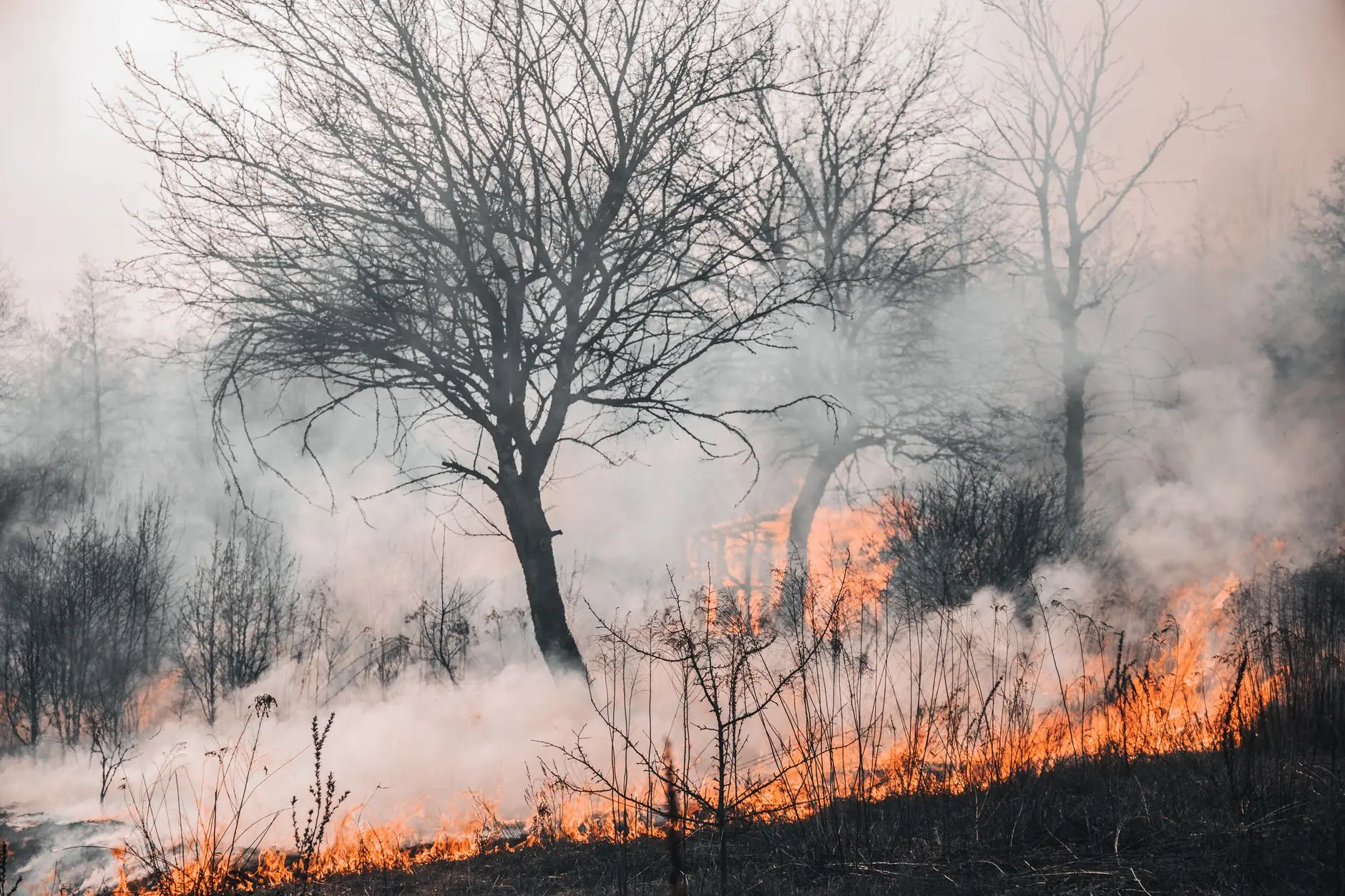
More climate coverage. Europe is on fire. That sentence used to be a metaphor. In 2026, it is a weather report.
Last week, French authorities let 84,000 evacuees return home after a wildfire in the Bordeaux region burned through 420 square kilometers, an area four times the size of Paris, according to the Associated Press apnews.com. On the same day, fires flared across the United Kingdom, Spain, Germany, Greece, and Turkey. Romania shut down both reactors at its Cernavoda nuclear power plant because the Danube River, used to cool them, dropped to record-low levels.
This is what European wildfires in a climate-shaped summer look like, and it is the version of summer that Gen Z is going to inherit.
Heat, Then Fire, Then Drought, Then More Heat
The European heatwave that fueled the fires did not come out of nowhere. According to the same AP reporting, Europe is sweltering under an exceptionally hot and arid summer, with tinderbox conditions stretching from the Atlantic coast to the eastern Mediterranean. The pattern is the same one climate scientists have been warning about for two decades: longer and hotter heat domes over land, dried-out vegetation that turns into fuel, and lightning or human sparks that ignite fires that no longer behave like the ones firefighters trained for.
Hollywood actor George Clooney, who has settled in southeastern France with his family, wrote to the mayor of Brignoles that he had evacuated and had no idea whether his home would survive. The Var region fire near his town forced 700 people out, the mayor's office told the Associated Press.
The downstream effects are showing up in places the fires did not even touch. The Danube, Europe's second-longest river, is so low that Romania pulled both nuclear reactors offline. Shipping on the river has slowed to a crawl, and Hungary, Serbia, and Bulgaria are all reporting water shortages for crops and drinking water. According to reporting by the Associated Press, the record-low Danube is hurting tourism and industry across Central Europe at the height of summer.
What the Numbers Are Saying
The fingerprints of climate change are everywhere in the 2026 fire season, and the datasets match the lived experience.
Copernicus, the European Union's climate monitoring service, has tracked a steady rise in the number of days per year that are considered high or extreme fire danger across southern Europe. The trend line bends up sharply after 2015, and 2024 and 2025 each set new records. Wildfire emissions in the EU in 2025 were the highest in the Copernicus dataset, which goes back to 2003. More climate coverage
Insurance companies are pricing the change in. Munich Re, one of the world's largest reinsurers, has reported that extreme-weather losses in Europe have roughly tripled since the 1990s, with wildfires now a major category alongside floods and hailstorms. In France alone, the Gironde wildfire is expected to cost insurers more than 1 billion euros, according to early estimates reported by French media.
For Gen Z, those numbers translate into higher insurance premiums, more expensive groceries when harvests fail, and summer travel plans that get rerouted around closed national parks.
Why the Fire Season Is Stretching
The European wildfires of 2026 are not just hotter. They are also longer. Fire season in southern Europe used to run from late June through early September. Now it often starts in May and runs well into October, with peak conditions shifting earlier and earlier as spring temperatures climb.
That extra length matters because it overlaps with summer tourism, school holidays, and the harvest season. Wildfires in Greece in 2025 forced mass evacuations on the island of Evia during peak visitor season. The 2026 Gironde fire ignited during the July school holiday period, forcing families who had planned to travel to instead shelter in gymnasiums and community centers.
It is not just a European story. Canada's 2025 wildfire season was its worst on record, burning more than 18 million hectares and putting smoke into U.S. cities as far south as Atlanta. Australia, already used to devastating bushfires, has watched its fire season lengthen by nearly three months over the past forty years.
What Comes Next
The European Union has passed a new EU Wildfire Law that came into force in 2025, requiring member states to publish wildfire risk maps, fund preventive forest management, and share firefighting resources more quickly across borders. That law was a direct response to the 2023 fire season, which killed dozens of people in Greece, Italy, and Algeria and pushed the EU to treat wildfires as a permanent infrastructure problem rather than an emergency.
For Gen Z, the question is no longer whether climate change is real. That debate is over. The question is what kind of life you build in a world where a Mediterranean vacation in August comes with evacuation alerts, where your parents' retirement home in Spain has to be fireproofed, and where your first job after college might be at a climate adaptation startup.
The summer of 2026 is the first one where that future is showing up on everyone's timeline, not just the climate desk. It is going to be a long, hot few decades.
Comments 0
No comments yet. Be the first to share your thoughts!
Leave a comment
Share your thoughts. Your email will not be published.