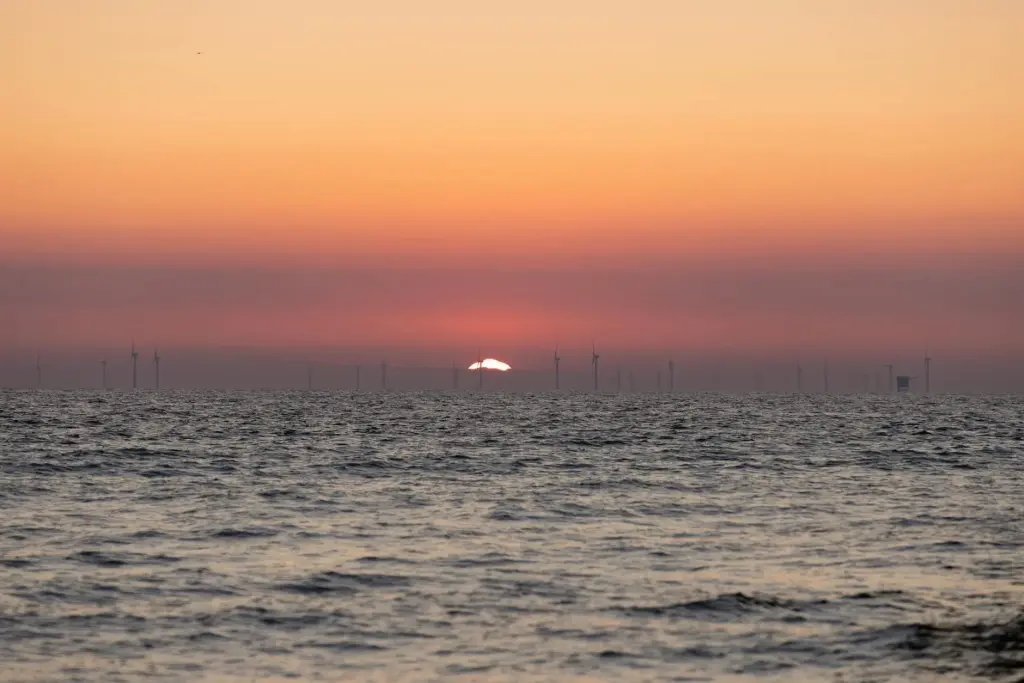
Offshore wind New England just hit a major milestone that has got clean energy advocates buzzing. Two enormous wind farms — Vineyard Wind and Revolution Wind — have officially completed construction and are now delivering electricity to the grid. For a region that has been slowly ditching fossil fuels, this is a pretty massive deal. According to CleanTechnica, these projects represent a turning point for American clean energy.
What Is Vineyard Wind and Why Does It Matter?
Vineyard Wind, located off the coast of Martha's Vineyard, Massachusetts, is the first large-scale offshore wind farm in the United States to actually start spinning and sending power to homes. The project consists of 62 turbines that can generate up to 806 megawatts of electricity — enough to power roughly 400,000 homes in New England. The wind farm sits about 15 miles off the coast, which means the turbines are far enough away to avoid messing with beach views but close enough to catch the strong ocean winds that make this region ideal for wind energy. The electricity generated flows through underwater cables to a substation on land, then gets distributed to the regional grid.
This project did not happen overnight. It took years of planning, environmental reviews, and solving supply chain headaches to get here. But now that it is running, Vineyard Wind is proving that the United States can actually build offshore wind infrastructure at scale — something critics have doubted for years.
Revolution Wind Brings Even More Power to the Table
Not to be outdone, Revolution Wind — a project developed by Orsted and Eversource — has also wrapped up construction and started feeding the grid. Located southeast of Rhode Island, this farm features 100 turbines capable of generating 704 megawatts of clean electricity. Together with Vineyard Wind, these two projects represent a combined capacity of over 1,500 megawatts hitting the New England power grid for the first time. As reported by CleanTechnica coverage of offshore wind milestones, that is roughly equivalent to taking 250,000 cars off the road in terms of carbon emissions saved each year.
Revolution Wind was designed to specifically serve Rhode Island and Connecticut, helping those states meet their legally binding clean energy goals. Rhode Island has been pushing hard to get 100 percent of its electricity from renewable sources by 2030, and this project is a massive step toward that target. Connecticut is similarly locked into aggressive clean energy mandates, and Revolution Wind is expected to play a central role in hitting those benchmarks.
The construction phase for both projects was not without controversy. Fishermen raised concerns about how the turbine foundations would affect marine ecosystems and fishing grounds. Local communities also debated the visual impact of seeing turbines on the horizon. But developers worked with stakeholders to address these worries, and the projects ultimately moved forward with a mix of mitigation measures and community benefit agreements.
Why New England Is Becoming the US Offshore Wind Capital
New England has some of the best offshore wind resources in the country. The ocean waters off Martha's Vineyard and Block Island have consistent, strong winds that blow reliably throughout the year. That makes the region basically tailor-made for wind energy production. State governments across Connecticut, Massachusetts, and Rhode Island have been aggressively bidding for offshore wind contracts precisely because they know this geography gives them a competitive advantage. The result is a growing cluster of wind farms that are transforming this corner of the Atlantic into the offshore wind capital of America.
The economic benefits are also hard to ignore. These projects have created thousands of construction and manufacturing jobs. Vineyard Wind alone supports around 3,600 direct jobs during the building phase, with many of those positions going to local workers in port cities and maritime communities. New England ports are being upgraded to handle the massive turbine components, and that infrastructure investment is leaving a lasting impact on the regional economy.
What This Means for Clean Energy Goals
Climate scientists have made it clear that switching from fossil fuels to renewable energy needs to happen fast if we want to avoid the worst impacts of global warming. Offshore wind New England projects like these represent real, tangible progress toward that goal. Each megawatt of clean electricity generated means less carbon dioxide pumped into the atmosphere from natural gas and coal plants. When you multiply that across 1,500 megawatts from just two wind farms, the climate impact is significant. Studies show that renewable energy adoption is accelerating globally, and these projects prove the US is finally getting serious about offshore wind.
Beyond the immediate carbon savings, these projects are helping build the muscle memory the US needs to construct even more wind farms in the future. The permitting process is getting faster, the supply chains are maturing, and the workforce is gaining experience. All of that makes the next round of offshore wind projects cheaper and easier to pull off. Our coverage of the climate emergency shows how important these breakthroughs are for meeting global emissions targets.
For young people especially, this news hits different. Gen Z is going to inherit the consequences of climate decisions made today. Watching actual clean energy infrastructure get built — not just proposed or planned, but actually constructed and running — is a rare bright spot in what often feels like an endless stream of discouraging climate news.
The Road Ahead for Offshore Wind in the Region
While Vineyard Wind and Revolution Wind are major milestones, they are really just the beginning. Developers have already proposed additional wind farms in the same offshore regions, with auction bids for new lease areas reaching record highs. The Bureau of Ocean Energy Management, the federal agency overseeing offshore wind leasing, has mapped out huge swaths of the Atlantic coast for future development. New England states are planning procurement rounds that could bring several more gigawatts of offshore wind capacity online over the next decade.
There are still challenges ahead, though. Upgrading the grid to handle more renewable energy is expensive and takes time. Transmission infrastructure needs to be expanded to carry electricity from coastal wind farms to inland cities. And the offshore wind industry still needs to scale up domestic manufacturing of turbines and foundations to avoid the supply chain bottlenecks that have delayed some projects elsewhere. But the momentum is clearly building, and the completion of these two flagship projects shows that the industry can actually deliver.
If you want to keep up with how clean energy developments like this are shaping the future, check out our climate coverage for regular updates on the technologies and policies driving the transition away from fossil fuels.
Comments 0
No comments yet. Be the first to share your thoughts!
Leave a comment
Share your thoughts. Your email will not be published.