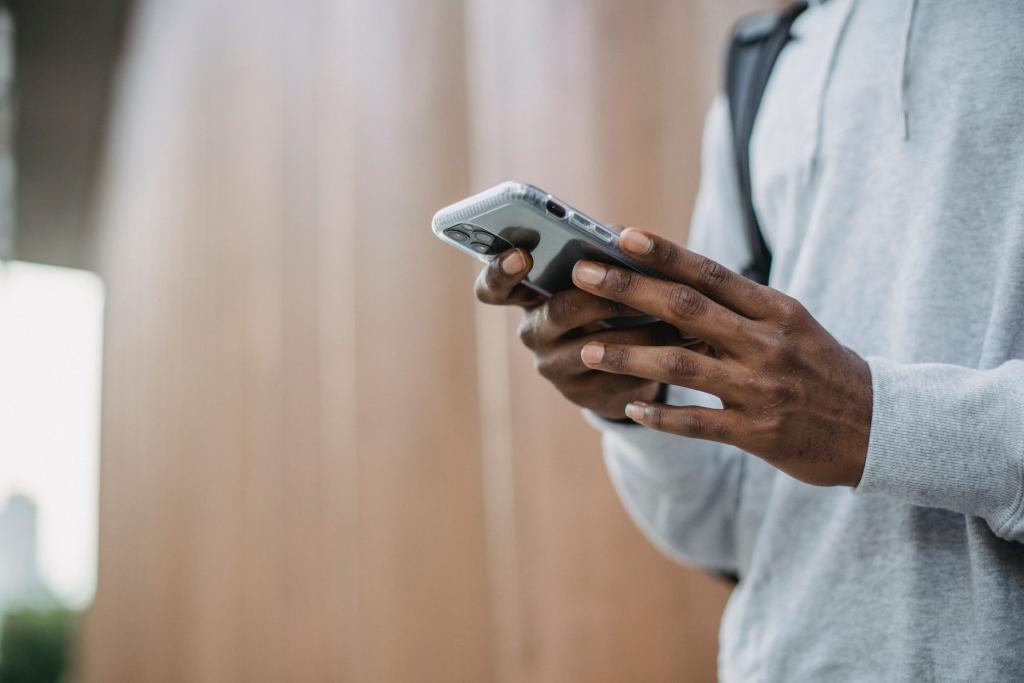
Discord gets a voter push for five million gamers: HeadCount, Super League and Virtual Vote announced on October 13 a nonpartisan voter-engagement campaign inside Discord, aiming to reach that many users in gaming communities ahead of the November 3, 2026 midterm elections, according to the announcement carried by GlobeNewswire and reported by AddOn News.
The push targets the fan communities where Gen Z gamers already spend their nights — Discord servers built around Roblox, Genshin Impact and Rocket League — with a simple ask: check your voter registration status and make a plan to vote. Gaming culture keeps colliding with civic life, and this campaign is the latest example. Participants can opt in to watch a short HeadCount video, earn an in-app Discord reward and enter a sweepstakes for a trip to a 2027 GalaxyCon event. No purchase, voter registration or voting is required to take part.
The venue choice is deliberate. Discord draws 90 million daily active users, and Super League — the Nasdaq-listed advertising company running the campaign — says the format fits the way young people actually use the app. "Discord is a daily habit for Gen Z gamers," said Rhiannon Apple, the company's executive vice president of commercial operations, who added that its Discord events are drawing 175% higher engagement than a standard community post.
The campaign stays strictly nonpartisan by design: no candidate, party or ballot measure is promoted anywhere in the experience. The only call to action is civic housekeeping — verify your registration status and make a voting plan — which is also why taking part asks nothing in return: no purchase, no sign-up and no vote.
The 2024 playbook, scaled up for the group chat
This is not the trio's first experiment at the intersection of gaming and the ballot box. In 2024, Virtual Vote ran a civic-engagement campaign inside Roblox that recorded 3 million visits and 100 million media impressions, alongside nearly 4,000 voter registrations or registration-status checks. Created with HeadCount and Super League, that effort drew 500,000 players into an interactive, nonpartisan Electoral College game, blending voter education with virtual fashion and entertainment — reaching players through experiences such as Livetopia and Karlie Kloss's Fashion Klossette, and extending HeadCount's Good to Vote sweepstakes, which featured Sabrina Carpenter, Jimmy Kimmel and Olympian Jamie Anderson.
The new effort keeps the same nonpartisan formula but moves it where the conversation already happens. "We're putting democracy in the group chat," said Justin W. Hochberg, founder of Virtual Vote, who described the goal as building gaming into one of the most powerful forces for voter participation by 2028.
Tappan Vickery, HeadCount's vice president of strategy and programs, framed the campaign as a continuation of the nonprofit's two-decade playbook: the group has long "met young people where they already are," she said, and today that includes the Discord servers where they gather with friends every night. Working with Super League and Virtual Vote, she said, brings civic information into those spaces in a way that feels authentic rather than intrusive.
Will rewarded video turn into real registrations?
The honest question is whether rewarded formats turn into real ballots. The 2024 baseline shows both the promise and the limits: that visit count yielded a registration tally equal to roughly one action for every 750 visitors — an enormous audience with a modest conversion rate. Skeptics of ad-driven civic outreach argue that rewarded video engages thumbs more reliably than it engages voters, and that sweepstakes can attract prize-hunters rather than new registrants. Mixing advertising mechanics with civic information, critics add, can blur the line between marketing and public service in spaces that were built for play.
HeadCount's answer is to keep the barrier as low as possible. The core ask is the same one the nonprofit has pushed since 2004, when it began turning concert-goers into voters — a track record that now spans more than 1.7 million new voters registered through concerts, festivals and digital campaigns. The organizations say what they learn on Discord will shape how they reach this generation well beyond this election.
For readers, the practical takeaway needs no Discord account. If you will be 18 by the November 2026 midterms, check your registration status through your state's election office or a nonpartisan voter tool, and make a plan to vote — the same two steps the campaign is gamifying for gamers. Whether the reach target converts better than the 2024 baseline will be the real test of the group-chat strategy. For more on youth culture and the ballot, browse our politics coverage.
Comments 0
No comments yet. Be the first to share your thoughts!
Leave a comment
Share your thoughts. Your email will not be published.